Nairobi 2029 Will Be the First World Athletics Championships Held in Africa
Kenya · Sport
Key Facts
- —What was decided World Athletics awarded its 2029 championships to Nairobi at a council meeting in Budapest.
- —Why it is a first The senior championships have never been held in Africa in their 42-year history.
- —Who else wanted it London, Rome and Munich all bid. Munich was given the 2031 edition instead.
- —Where it will be held Kasarani stadium in Nairobi, capacity 48,000, currently mid-renovation for football’s 2027 Africa Cup.
- —Why Kenya is the natural host Kenyan athletes have dominated middle and long-distance running for half a century.
- —What is not yet known No visitor, hotel or revenue projection has been published by anyone in Kenya.
The senior World Athletics Championships have been held nineteen times since 1983 and never once in Africa. That ends in September 2029, in a Nairobi stadium that is currently being rebuilt for a football tournament.
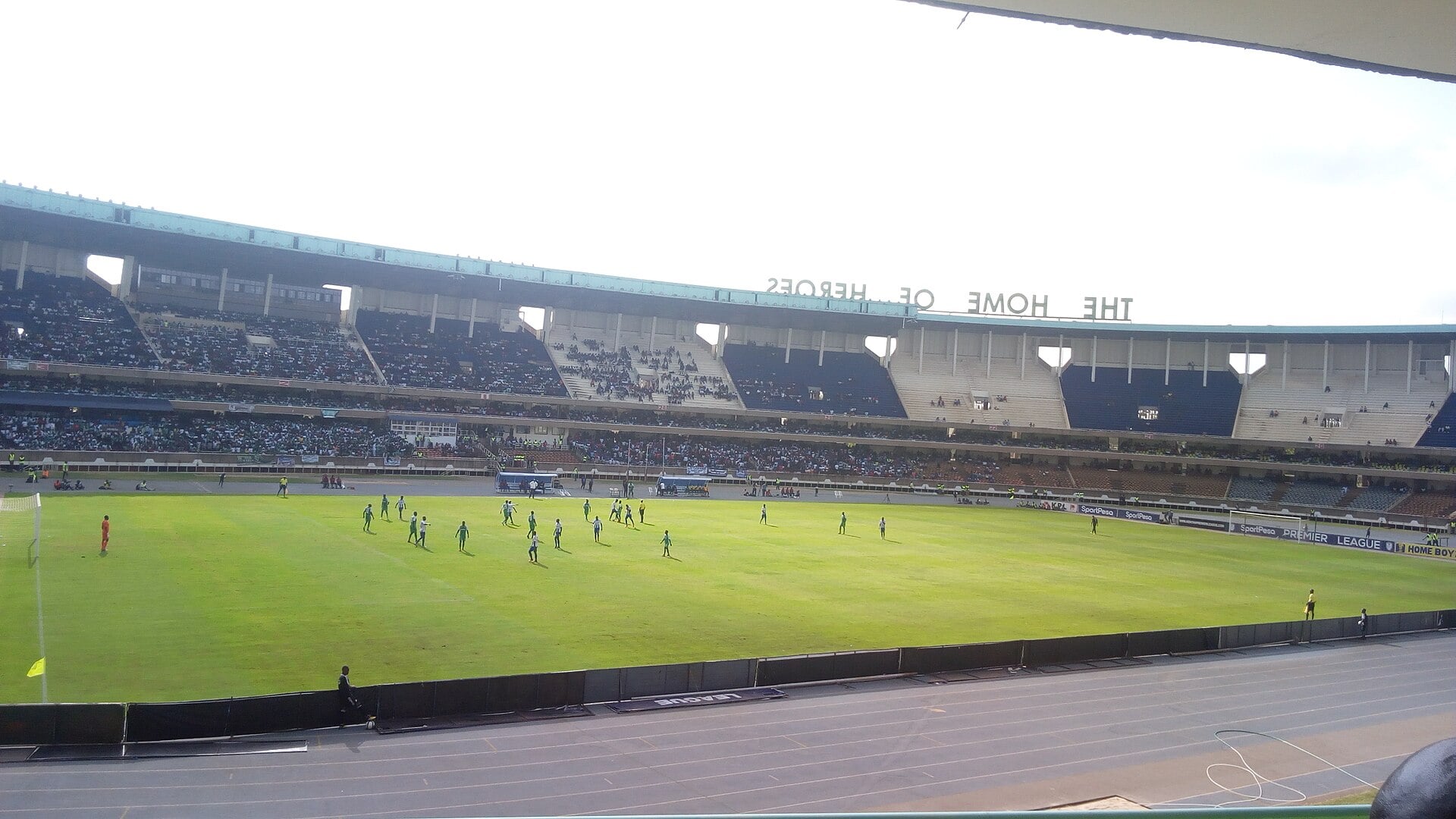
Nairobi 2029 will be the first senior World Athletics Championships staged on the African continent. The decision was taken at a council meeting in Budapest and announced on Tuesday.
The Decision
Four cities bid for the two available editions. Nairobi, London, Rome and Munich went to the council, which gave 2029 to Nairobi and 2031 to Munich.
Lord Coe, the World Athletics president, called the Kenyan bid compelling and emotional. Taking the championships to Africa for the first time, he said, will be historic.
No vote breakdown has been published. The council has 26 members and its evaluation process was not made public.
The event is the 22nd edition and falls in September 2029. The championships have been held every two years since 1983 and never in Africa.
That phrasing needs care. Africa has hosted World Athletics events before.
Kenya staged the world cross-country championships in Mombasa in 2007. It also held world age-group championships in Nairobi in 2017 and 2021.
What has never happened is the senior outdoor championships, the sport’s flagship. That is the gap Nairobi 2029 closes.
The Stadium Is Not Finished
The venue is the Moi International Sports Centre at Kasarani, which seats 48,000. It is currently a building site.
Kenya is rebuilding it for the 2027 Africa Cup of Nations, which it co-hosts. The work runs in two phases at a combined cost of about 6.7 billion Kenyan shillings, roughly US$52 million.
The first phase cost 3.6 billion shillings, about US$28 million, and was finished in 2025 for an earlier tournament. A senior official later said that phase had been carried out in haste, which is why a second was needed.
The second phase covers a hybrid grass pitch, drainage, a spectator canopy, full seat replacement, floodlighting and video-assistant-referee infrastructure. It is due for completion before the 2027 tournament.
Kenyan media have called Kasarani the country’s longest construction site. No completion date has been published.
How Kenya Is Paying for Stadiums
The financing model is unusual and worth understanding. Kenya’s sports fund draws revenue from taxes and levies on betting and gaming.
The government pledges that future revenue as security for bonds. A first issue of about 44.7 billion shillings, near US$346 million, was listed in July 2025.
That issue funds a new 60,000-seat stadium in Nairobi. The model turns gambling revenue into building sites.
A second issue of 38.74 billion shillings, about US$300 million, was announced at the start of September to complete 33 stadium projects. It is repayable over fifteen years.
The International Monetary Fund has urged Kenya to classify roughly 335 billion shillings of securitised money, near US$2.6 billion, as public debt. Members of parliament have separately raised concerns about unpaid bills on stadium work.
President William Ruto has described a large stadium-building programme in various figures. Published sources give 22 completed, 28 pledged and 33 under the current financing, and the numbers do not reconcile.
The Doping Question, Answered Before It Was Asked
Kenya’s anti-doping agency spent part of last year on the world body’s compliance watchlist after an audit found deficiencies. Being on a watchlist is not the same as being declared non-compliant.
The agency was removed from that list on 28 February 2026 after corrective work. Had it failed, Kenya could have lost the right to host international events.
That timing was not an accident. Clearing the list came before the bid, not after it.
Kenyan athletics remains in the highest risk category for doping and the national agency faces budget pressure. Those are real issues and they are separate from compliance status.
What Nobody Has Costed
There is no published Kenyan projection for visitors, hotel rooms, tourism revenue or economic impact from Nairobi 2029. Not from the tourism ministry, not from the tourism board, not in the bid material released publicly.
The only official comment so far is general. A cabinet secretary said Kenya must position its entrepreneurs to benefit, without attaching a figure.
World Athletics says 68 percent of Kenyans surveyed rated their interest in athletics as high, against a global average of 39 percent. That research is its own, and its method and sample were not disclosed.
For anyone in Nairobi hospitality, the useful number before Nairobi 2029 is the calendar. There are three years to the Africa Cup of Nations and six to the championships, on the same site.
More: Africa coverage, every day from The Rio Times.
Frequently Asked Questions
Is this really the first time in Africa?
For the senior World Athletics Championships, yes. They have been held every two years since 1983 and never on the African continent. Africa has hosted other World Athletics events, including the world cross-country championships in Mombasa in 2007 and world age-group championships in Nairobi in 2017 and 2021.
Where will it be held?
At the Moi International Sports Centre at Kasarani in Nairobi, which seats 48,000. The stadium is currently being rebuilt in two phases for the 2027 Africa Cup of Nations, at a combined cost of about 6.7 billion Kenyan shillings, roughly US$52 million.
Which cities lost?
London and Rome bid for 2029 and did not get it. Munich also bid and was awarded the 2031 edition instead. World Athletics has not published a vote breakdown.
Is Kenya’s doping record a problem for hosting?
Kenya’s anti-doping agency was placed on the world body’s compliance watchlist in late 2025 after an audit found deficiencies, and was removed on 28 February 2026 after corrective work. It was never formally declared non-compliant. Kenyan athletics does remain in the highest risk category for doping under the sport’s integrity unit.
Sources: World Athletics on the award of the 2029 and 2031 championships, Capital FM on the Nairobi bid, K24 on the Kasarani renovation, Business Daily on the stadium financing, SJAK on Kenya’s removal from the anti-doping watchlist, Sacco Review on the government response to the award
This article was produced by The Rio Times’ automated newsroom system. How we use AI · Report an error
Read More from The Rio Times