
KENYA · EAST AFRICA
Key Facts
- —What it is Kenya shares land borders with Tanzania, Uganda, South Sudan, Ethiopia and Somalia, plus an Indian Ocean coastline that makes Mombasa the region’s main maritime gateway.
- —Why it matters Kenya’s neighbours rely on its port and roads for transit, and they are also a source of cross-border workers, refugees and security pressures.
- —The numbers The East African Community’s external trade with the rest of the world reached US$46.3 billion in the first quarter of 2026, up 30.7%, but trade between member states fell 10.4% to US$4.7 billion, according to the EAC’s quarterly statistics bulletin of 10 June 2026.
- —The catch Kenya is a hub but not a hegemon: Tanzania competes for port traffic, Uganda has alternative routes, and border insecurity with Somalia and South Sudan raises costs.
- —Who is who The East African Community sets regional trade rules, while Kenya’s Northern Corridor and Tanzania’s Central Corridor compete for cargo from Uganda, Rwanda, South Sudan and eastern DRC.
- —What it means for you A foreign investor or employer in Nairobi is buying access to a regional market of hundreds of millions of people, but also inheriting border delays, currency risks and security exposure.
Kenya neighbours are not just lines on a map; they are the markets, corridors and rivalries that determine whether Nairobi works as a regional hub. Understanding them explains why Mombasa matters, why Uganda is so important, and why Tanzania is both partner and competitor.
Kenya sits at the hinge of East Africa, bordered by five countries and facing the Indian Ocean. This guide explains how those relationships work in practice: the trade routes, the border posts, the institutions, the rivalries and the risks.
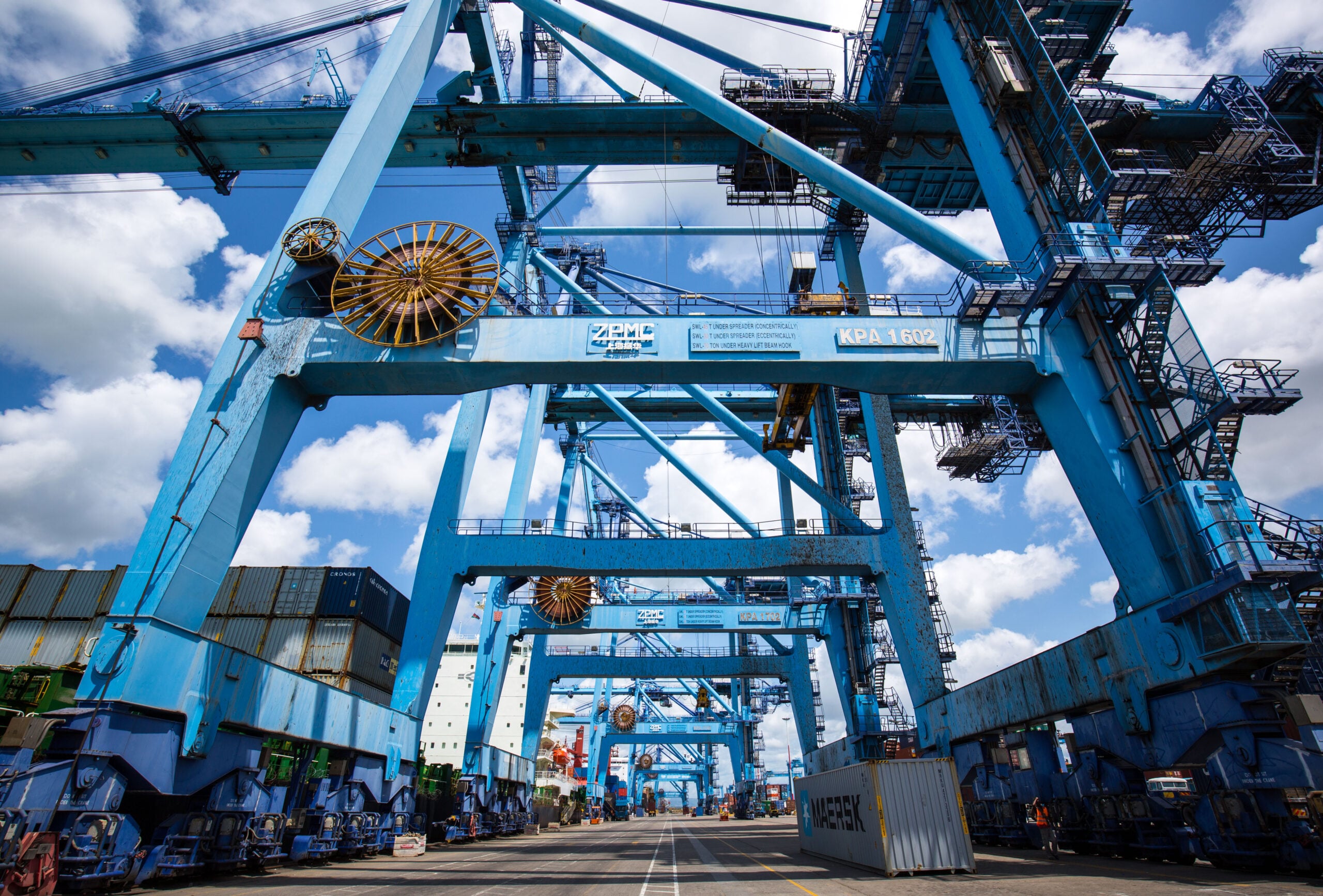
The Map of Kenya’s Neighbourhood
Kenya’s land borders run south to Tanzania, west to Uganda, north-west to South Sudan, north to Ethiopia and north-east to Somalia. The Indian Ocean coastline gives Kenya something none of its landlocked neighbours have: direct maritime access to global shipping lanes.
That geography creates two overlapping roles. Kenya is a member of the East African Community, the regional bloc that also includes Tanzania, Uganda, Rwanda, Burundi, South Sudan, the Democratic Republic of Congo and Somalia. It is also a transit and services platform for countries beyond the EAC, especially Ethiopia, eastern DRC and South Sudan.
Kenya’s investment-promotion authority describes the country as a gateway to East and Central Africa. The claim is not just marketing. Mombasa port, Nairobi’s financial and aviation networks, and a relatively diversified industrial base give Kenya advantages that its neighbours cannot easily replicate.
But the gateway role cuts both ways. Kenya depends on its neighbours as customers and transit users. When Uganda diverts cargo through Tanzania, when South Sudan’s conflict disrupts trucking, or when Somalia’s insecurity closes border crossings, Kenyan businesses feel the effect directly.
Tanzania: The Southern Competitor
Tanzania is Kenya’s most direct commercial rival inside the EAC. The two countries share a long border, major tourism circuits, wildlife ecosystems and overlapping coastal markets. Their relationship mixes cooperation with competition in ways that shape the whole region.
The rivalry is most visible in transport. Kenya’s Northern Corridor links Mombasa through Nairobi and Uganda toward Rwanda, eastern DRC and South Sudan. Tanzania’s Central Corridor links Dar es Salaam through Dodoma and Isaka toward Rwanda, Burundi and eastern DRC. Both corridors compete for the same landlocked customers.
Mombasa’s advantages include a mature port and logistics ecosystem, established links to Uganda and South Sudan, and Nairobi-based banks, insurers and freight forwarders. Dar es Salaam counters with direct access to Tanzania’s central and western corridors and growing connections to Rwanda, Burundi, Zambia and eastern DRC.
For investors, the practical question is not which port is larger. It is whether cargo moves through a predictable corridor with efficient customs, reliable roads and railways, and limited non-tariff barriers. Both countries have work to do on that score.
Uganda: The Closest Economic Partner
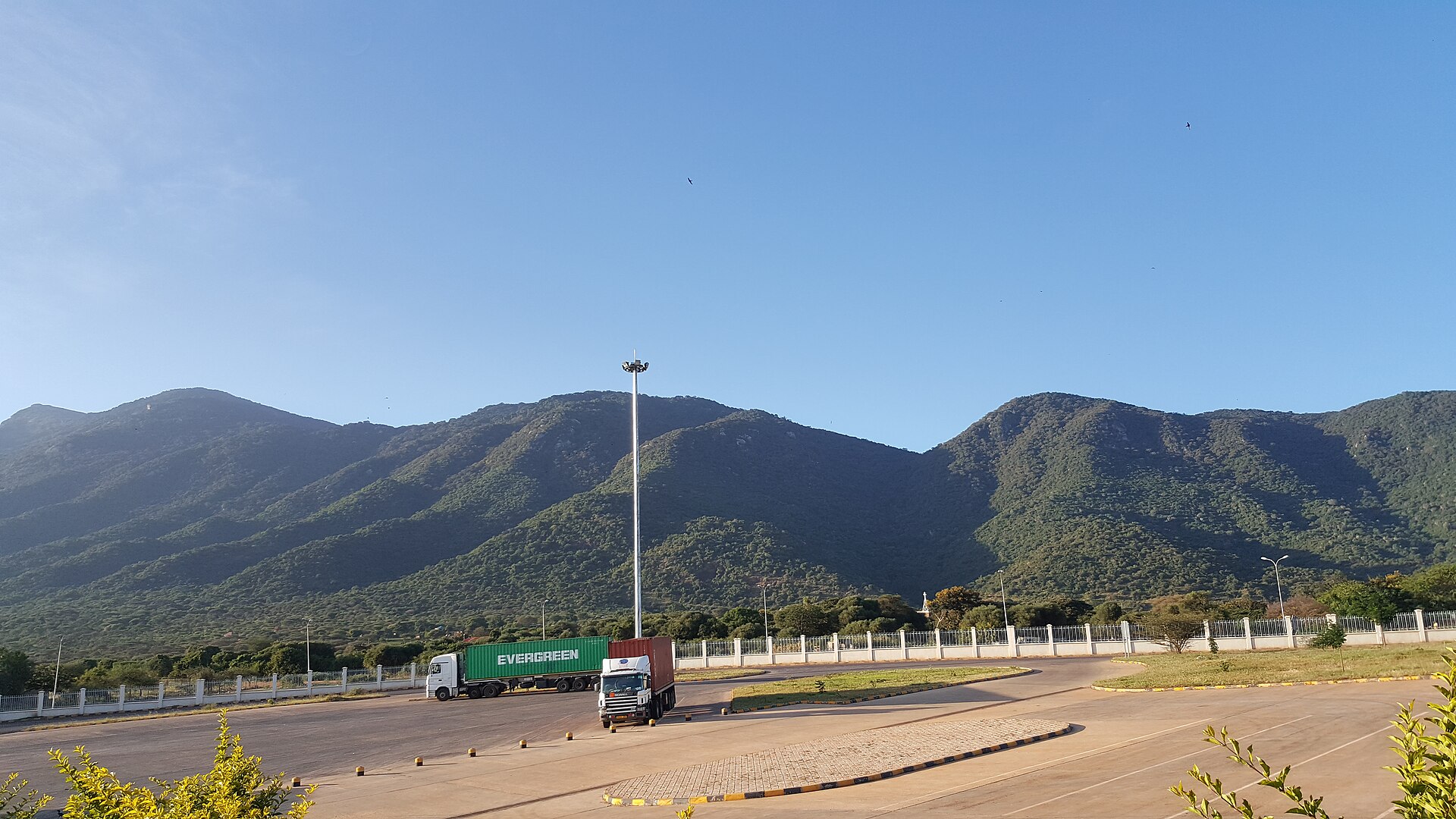
Uganda is Kenya’s most important immediate overland trading and transit partner. Uganda relies heavily on the Northern Corridor and the Port of Mombasa for imports, while Kenyan firms use Uganda as a major regional market for manufactured goods, fuel and services.
The relationship is commercially deep but not frictionless. Trucks, traders and migrant workers cross the border extensively, but congestion and administrative delays at Malaba and Busia can raise costs for both countries. Uganda’s development of alternative links through Tanzania gives it bargaining power over Kenyan routes.
The Busia One Stop Border Post remains especially important for small traders and formal freight. Kenya’s government reported in 2026 that a planned Busia Jumuiya Cross-Border Market was intended to strengthen small and medium-sized cross-border businesses and support implementation of the EAC Simplified Trade Regime.
That same government account records complaints about congestion and inadequate infrastructure at Busia. The gap between regional integration rules and the daily experience of traders is a recurring theme across East Africa.
South Sudan and Ethiopia: Opportunity with Risk
South Sudan is landlocked and depends substantially on neighbouring countries for fuel, food, construction materials and humanitarian logistics. Kenya is one of its key commercial and diplomatic gateways, with opportunities in road and logistics services, construction, banking, telecommunications and humanitarian supply chains.
The relationship is also exposed to political and security risk. Instability in South Sudan can disrupt road traffic, delay payments, raise insurance costs and produce sudden refugee movements. Nairobi has hosted South Sudanese peace and political processes, but Kenya’s influence is constrained by the conflict’s internal dynamics and by competition among regional mediators.
Ethiopia is Kenya’s largest northern neighbour and one of Africa’s largest consumer markets. The two countries share interests in cross-border trade, energy and electricity interconnection, transport links, security cooperation and refugee management. The Lamu Port–South Sudan–Ethiopia Transport Corridor, known as LAPSSET, is the main infrastructure vision connecting them.
The Kenya–Ethiopia border is economically important but less integrated than the Kenya–Uganda border. Distance, sparse settlement, limited roads and insecurity around northern Kenya and southern Ethiopia make trade more expensive. The Moyale One Stop Border Post is the main institutional effort to simplify movement and customs procedures.
Somalia: Security and Commercial Interdependence
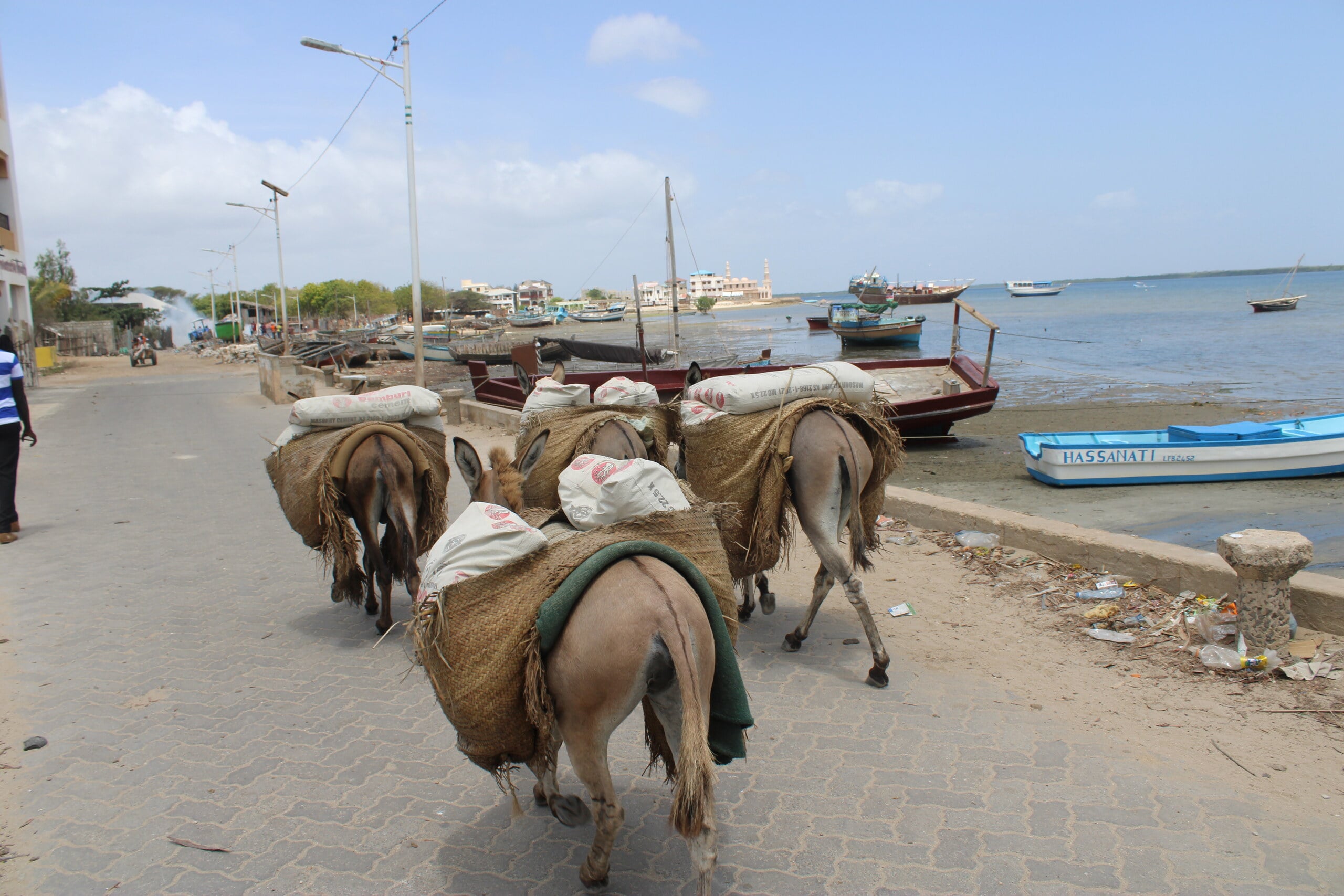
Kenya’s north-eastern relationship with Somalia is shaped by security, migration, pastoralism, trade and maritime claims. Al-Shabaab attacks and cross-border security operations remain central concerns, as do refugee movements and the future of refugee settlements.
Kenya’s coastal counties also have family, cultural and commercial ties with Somalia. Closing or heavily restricting the border can reduce security risks in the short term but can also damage legitimate commerce and livelihoods. Informal and formal trade along the border supports communities on both sides.
Somalia is simultaneously a security challenge and a potential market. Reconstruction, telecommunications, logistics, ports, food supply and financial services could create opportunities if security and regulatory conditions improve. The International Court of Justice ruled on the maritime boundary dispute in October 2021, drawing a line closer to Somalia’s claim; Kenya rejected the ruling, and diplomatic tension has continued.
Trade and Regional Institutions
The East African Community remains the main institutional framework for Kenya’s regional economic relations. Kenya is also a member of the Common Market for Eastern and Southern Africa, known as COMESA, and participates in the African Continental Free Trade Area, the AfCFTA.
The EAC’s quarterly statistics bulletin, released on 10 June 2026, reported that the bloc’s external trade with the rest of the world rose 30.7% year-on-year to US$46.3 billion in the first quarter of 2026, from US$35.4 billion a year earlier. Mineral exports, led by copper at 44.8% of the total, drove the gain. Exports increased 33.3% to US$24.0 billion, while imports grew 28.1% to US$22.4 billion.
Trade among the member states moved the other way. Intra-EAC trade fell 10.4% to US$4.7 billion, cutting its share of the bloc’s total trade from 14.9% in 2025 to 10.2% in 2026. The headline growth therefore came from exports to the wider world, not from trade between neighbours.
These are bloc-wide rather than Kenya-only figures, but they show the scale of the market in which Kenyan companies operate.
Kenya’s regional export strengths include refined petroleum and energy products, processed foods and beverages, cement, steel and other construction materials, pharmaceuticals, household goods, and financial and telecommunications services. Its vulnerabilities include dependence on imported fuel and machinery, exposure to regional border closures, non-tariff barriers, high transport costs and competition from Tanzanian and Ugandan manufacturers.
Migration and People-to-People Ties
East Africa is a region of substantial movement, including labour migration, business travel, student mobility, pastoralist movement, refugee flows and informal cross-border commerce. The EAC Common Market provides for movement of workers, services, capital and the right of establishment, but implementation is incomplete.
National work-permit rules, professional licensing, immigration procedures and recognition of qualifications can still limit mobility. Kenya attracts regional migrants because of Nairobi’s concentration of international organisations and multinational firms, its financial and technology sectors, universities and private healthcare, and the port and logistics economy.
Kenya also receives refugees and asylum seekers, particularly from Somalia and South Sudan. This creates economic activity in host counties but places pressure on public services, land, security institutions and humanitarian budgets. For employers and investors, the legal distinction between EAC citizens, other African nationals and refugees matters for hiring, residence and compliance.
What to Watch
The main developments to follow are the performance of the Northern Corridor against the Central Corridor, the implementation of the EAC Simplified Trade Regime, and the progress of LAPSSET. Border infrastructure at Busia, Malaba and Moyale will show whether regional integration is moving from paper to practice.
Security in Somalia and South Sudan remains the largest external risk. Political stability in both countries affects refugee flows, trade routes and investor confidence across the region. Kenya’s diplomatic role in peace processes is important but not decisive.
For a foreigner considering Kenya as a base, the neighbourhood is both the opportunity and the risk. The market is larger than Kenya alone, but the rules, borders and rivalries of East Africa will shape how far that market can be reached.
Related reading: more from Kenya, Kenya’s new port paperwork rules, Kenya’s inflation rate, Safaricom explained and South African banks entering Kenya.
Frequently Asked Questions
Which countries border Kenya?
Kenya borders Tanzania to the south, Uganda to the west, South Sudan to the north-west, Ethiopia to the north and Somalia to the north-east. It also faces the Indian Ocean, with Mombasa serving as the principal maritime gateway for Kenya and several landlocked countries in East and Central Africa.
Why is Mombasa port so important for Kenya’s neighbours?
Mombasa is the main maritime outlet for Uganda, South Sudan, Rwanda and eastern DRC through the Northern Corridor. It competes with Dar es Salaam in Tanzania, which serves Rwanda, Burundi, Zambia and eastern DRC through the Central Corridor.
What is the East African Community?
The East African Community is the regional bloc that includes Kenya, Tanzania, Uganda, Rwanda, Burundi, South Sudan, the Democratic Republic of Congo and Somalia. It sets trade rules and promotes integration, though implementation remains uneven.
How much does the East African Community trade with the world?
The EAC’s external trade with the rest of the world reached US$46.3 billion in the first quarter of 2026, up 30.7% year-on-year, according to the bloc’s quarterly statistics bulletin of 10 June 2026. Exports rose 33.3% to US$24.0 billion and imports grew 28.1% to US$22.4 billion, but trade among member states fell 10.4% to US$4.7 billion.
Is Kenya the leader of East Africa?
Kenya is East Africa’s commercial, transport and diplomatic hub, but not an uncontested regional leader. Tanzania competes for port traffic and investment, Uganda has alternative trade routes, and Ethiopia has the scale to become a rival regional centre.
What are the main risks in Kenya’s neighbourhood?
The main risks are border insecurity with Somalia, political instability in South Sudan, non-tariff barriers within the EAC, and competition from Tanzania’s Central Corridor. These factors can disrupt trade routes, delay payments and raise costs for businesses operating across the region.
Sources: The New Times, Ecofin Agency, ISS Africa, libraryir.parliament.go.ke, libraryir.parliament.go.ke, x.com, libraryir.parliament.go.ke, planning.go.ke, repository.knbs.or.ke. Retrieved 3 October 2026.
This article was produced by The Rio Times’ automated newsroom system. How we use AI · Report an error · Editorial responsibility: Matthias Camenzind, Editor-in-Chief