Kenya Visa-Free Entry Gives No Right to Work or Trade, Trade Minister Says in September 2026
KENYA · VISAS
Key Facts
- —What happened Kenya’s trade minister said arriving without a visa gives no right to work, trade or do business.
- —How big Most African passport holders now skip the eTA, and East African Community citizens get six months.
- —What it means A visitor stamp covers tourism and family visits, not jobs, stalls, consultancy or company management.
- —The catch Nothing in the law changed, so this is an enforcement warning, and officers can revoke your entry status.
- —Who it affects Tourists, short-term visitors and remote workers, including nationals who need no visa at all.
- —What comes next A separate 90-day window for foreign business owners runs to about 7 December 2026.
Kenya visa-free entry lets millions of travellers skip the paperwork, but it does not let them earn a living. The government said so plainly in September 2026.
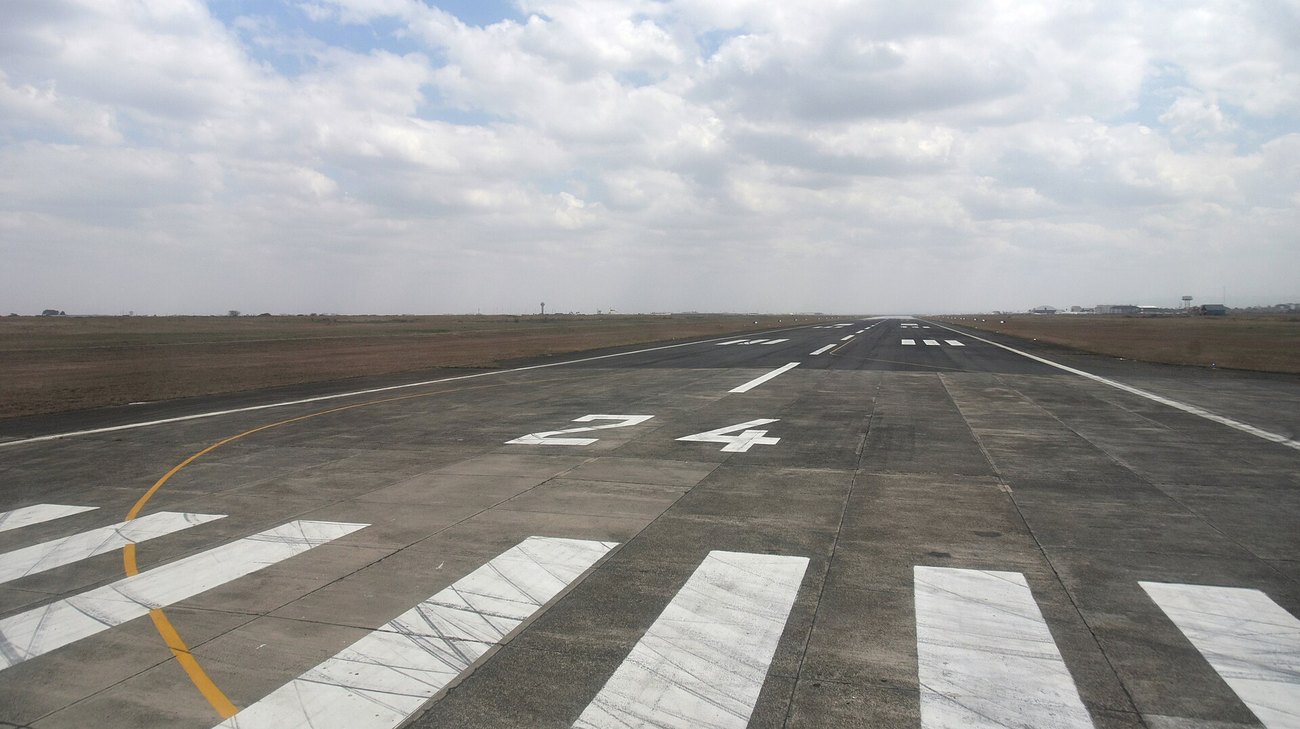
Kenya visa-free entry and the electronic travel authorisation, or eTA, now cover a long list of nationalities. Neither one gives you the right to work, trade or run a business.
What the trade minister said
Lee Kinyanjui is the cabinet secretary in charge of trade, Kenya’s equivalent of a trade minister. His Ministry of Investments, Trade and Industry issued a press statement in early September 2026.
Capital FM published the statement on 7 September 2026. The wording was narrow and blunt.
Arriving without a visa creates no right to work. Being exempt from the eTA creates no such right either.
That covers taking a job, trading and running a business. Breaking it can cost you your entry status.
None of this is a new law. It is a statement about how existing rules will be applied at the border and afterwards.
How Kenya visa-free entry works right now
The eTA is an online travel permission you request before you fly. The Directorate of Immigration Services runs it through the portal at etakenya.go.ke.
The ministry says the visa-free regime began on 1 January 2024. The official pages list no eTA price, and reported figures sit near US$32.50.
The Directorate says every visitor needs an eTA, infants and children included. A published notice exempts only narrow groups, among them transit passengers, crew and accredited diplomats.
The ministry says the government approved dropping the eTA for most African nationals in January 2025. Kenyan media reported the waiver in force later that year, with Libya and Somalia excluded.
The same notice exempts the six East African Community partner states for six months. Our explainer on what East African Community citizens can and cannot do in Kenya sets out the detail.
What no work actually covers
The plainest case is a job with a Kenyan employer. That needs a permit, whether the work is paid weekly, monthly or not at all.
Selling things is the second case. A market stall, a shop, a stand at a trade fair or a delivery round all count as trade.
Consultancy is the third. Advising Kenyan clients for a fee is business activity, even when the contract was signed abroad.
Running or registering a company sits in the same box. So does managing staff on the ground, even for a foreign parent company.
Unpaid work is not a loophole. Volunteering and internships have their own passes, and the immigration rules list them separately.
The grey area for remote workers
Now the harder question. You are a visitor, you open your laptop in a Nairobi cafe, and your employer and your pay are both abroad.
The published rules do not carve that out. They also do not clearly forbid it.
The minister’s reported remarks did not draw that line either. Neither the eTA portal nor the Directorate’s public pages set out a test for remote work.
So treat this as unsettled, not as settled in your favour. An immigration officer decides what your stay is for, and no published rule tells you how they weigh it.
Be careful about what you say at the counter. Describing yourself as here to work, rather than to visit, invites questions the visitor stamp cannot answer.
What can go wrong
The stated consequence is the loss of your entry status. In plain terms, the permission you arrived on can be taken away.
What follows after that is not spelled out. No published statement sets out fines, bans or removal timelines, so treat those as unconfirmed.
The context is enforcement, not new law. Nothing in the immigration rules changed on 6 September 2026.
That distinction matters for planning. If you were already outside the rules, the risk went up without the text of the rules moving at all.
A wider push is already under way. State House gave foreign business owners 90 days to fix permits, licences and status on 8 September 2026.
The permits that do allow work
The Directorate publishes its permit classes online. Class D covers employment, Class G covers specific trade, business or consultancy, and Class K covers ordinary residents.
One point is worth correcting, because it circulates widely. Class F is for specific manufacturing, not for remote workers.
Class G is the one most small traders end up needing. Its published fees are KES 20,000 (about US$154) to process and KES 250,000 (about US$1,931) a year to issue.
East African Community citizens are listed as gratis. The same page also demands documentary proof of at least US$100,000 of capital to be invested.
A separate digital nomad route, reported as Class N, has been described by specialist trackers. It does not appear on the Directorate’s own published list of classes.
Applications run through the eFNS portal, the Directorate’s online foreign nationals services system, at fns.immigration.go.ke. Currency conversions use the 13 September 2026 rate of 129.45 shillings to the US dollar.
More: Kenya news in English, every day from The Rio Times.
Frequently Asked Questions
Can I work remotely in Kenya on a tourist entry?
The government has not published a remote work exception, and it has not clearly banned it either. Officials say a visitor stamp is not permission to work, so the safe reading is no.
Does entering Kenya without a visa let me start a business?
No. Trade, consultancy and running a company need a work permit, and Class G covers specific trade, business or consultancy.
What happens if I work in Kenya without a permit?
Officials say your entry status can be revoked, meaning the permission you arrived on is withdrawn. Fines, bans and removal timelines have not been set out publicly.
Which Kenyan permit do remote workers need?
Specialist trackers report a digital nomad permit described as Class N, though it is not on the Directorate’s published class list. Class F is for specific manufacturing, not for remote work.
Sources: Kenya‘s Ministry of Investments, Trade and Industry statement as reported by Capital FM, the Directorate of Immigration Services, the published eTA exemption notice, the eFNS portal and Stamped Nomad; see https://capitalfm.africa/kenya-warns-foreigners-visa-free-entry-does-not-allow-you-to-work-or-trade/ and https://immigration.go.ke/work-permits-and-passes/ and https://immigration.go.ke/class-g-specific-trade-business-or-consultancy/ and https://immigration.go.ke/eta/ and https://www.kcaa.or.ke/sites/default/files/publication/visa_free_regime_in_kenya.pdf and https://fns.immigration.go.ke/ and https://stampednomad.com/guides/kenya
This article was produced by The Rio Times’ automated newsroom system. How we use AI · Report an error
Read More from The Rio Times