
GUIDES · KENYA
Key Facts
- —Context Kenya is an East African republic on the Indian Ocean, with Nairobi as its capital. The World Bank put its population at 57.5 million in 2025.
- —Deep past Stone tools from Lomekwi 3, west of Lake Turkana, are 3.3 million years old, per a 2015 study in Nature.
- —Colonial era Britain ruled the territory from 1895 until 1963 as part of British East Africa, per the US Office of the Historian.
- —Independence Thursday 12 December 1963. The United States recognised Kenya the same day and opened diplomatic relations on 2 March 1964.
- —Constitution The current constitution was promulgated on 27 August 2010 after a referendum. It devolved power to 47 counties.
- —Leaders As of October 2026, President William Ruto and Deputy President Kithure Kindiki. The next general election is set for Tuesday 10 August 2027.
Kenya history runs from 3.3-million-year-old stone tools near Lake Turkana to a hard-won 2010 constitution. For US readers, it explains why Kenya is a Major Non-NATO Ally of the United States.
It also shows why Kenyan courts and street protests can check a president before the August 2027 election.
Deep Origins Around Lake Turkana and Lake Victoria
Kenya history starts long before any state. At Lomekwi 3, on the western side of Lake Turkana, researchers found stone tools dated to 3.3 million years ago.
A team led by archaeologist Sonia Harmand published the find in Nature on 20 May 2015.
Much later, communities near Lake Victoria built in stone. Thimlich Ohinga lies 46 kilometres northwest of Migori town.
UNESCO describes it as a dry-stone walled settlement probably built in the 16th century CE.
UNESCO added Thimlich Ohinga to the World Heritage List in 2018 and calls it the largest and best-preserved example of its kind. Sites like it show that inland societies had their own building traditions long before Europeans arrived.
The Swahili Coast and the Indian Ocean
The coast looked out to sea. Lamu Old Town is the oldest and best-preserved Swahili settlement in East Africa, according to UNESCO, which listed it in 2001.
The town has been continuously inhabited for over 700 years.
Portugal arrived with guns and coral stone. The Portuguese built Fort Jesus in Mombasa between 1593 and 1596 to protect the port.
The Italian architect Giovanni Battista Cairati drew the designs, and UNESCO listed the fort in 2011.
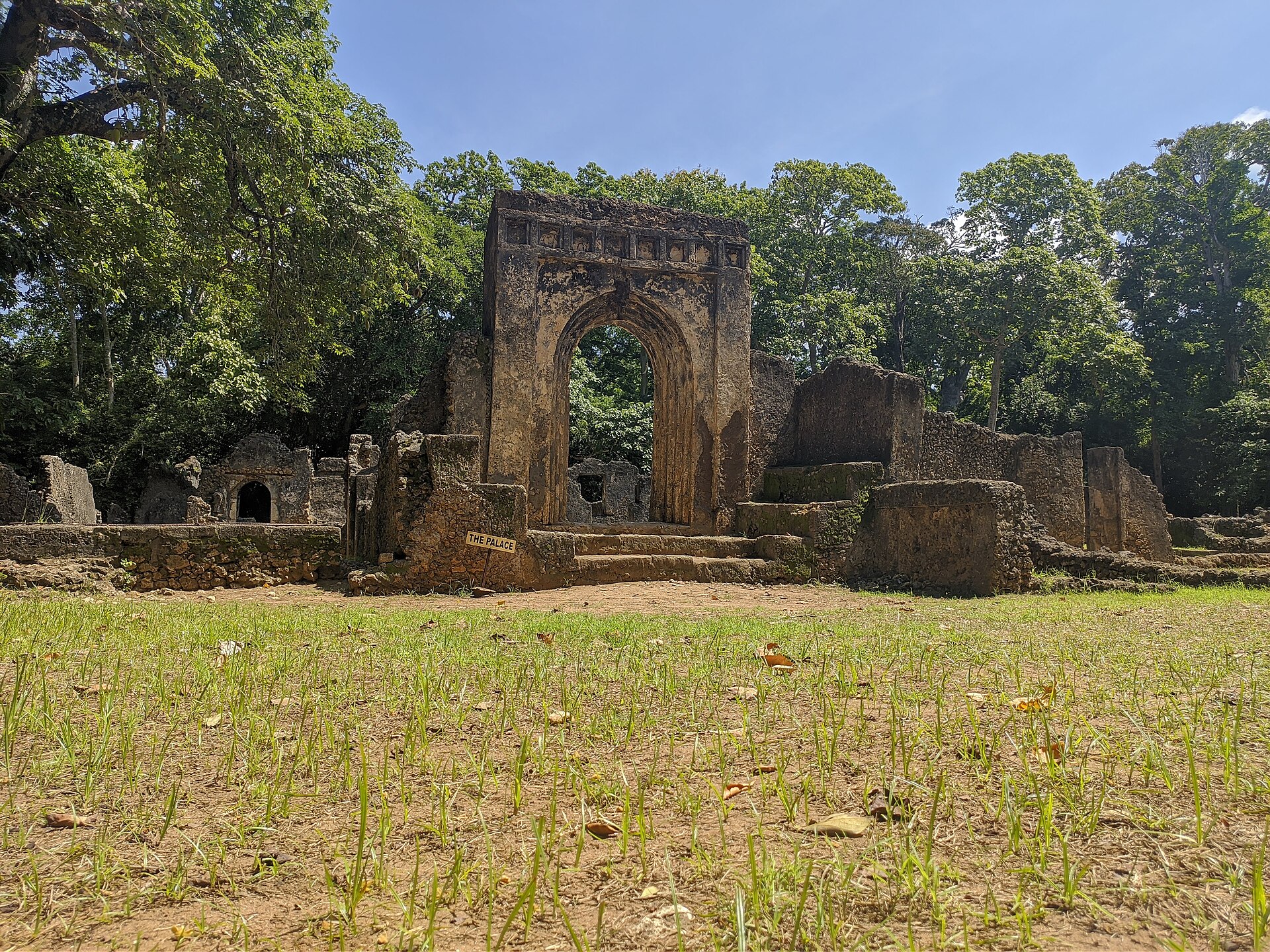
Fort Jesus later came under Arab, Swahili and English control, UNESCO notes. That sequence sums up the coast’s past: a trading frontier fought over by ocean powers for centuries.
British East Africa, 1895 to 1963
From 1895 until 1963, the area that became modern Kenya was under British colonial rule. It formed part of British East Africa, in the summary of the US State Department’s Office of the Historian.
Those 68 years shaped the state that independent Kenya inherited, from its administration to its laws. They also produced the African political movement that would take over in 1963.
The Kenya African National Union (KANU) became the main independence party. KANU won 19 of the 33 elective seats in the House of Representatives in the 1961 elections, the Nation newspaper records.
Mwai Kibaki, a future president, left a lecturing post to become KANU’s first executive officer during that campaign.
The Mau Mau Uprising and the Emergency
The decisive colonial crisis began in October 1952. The British government dates the Emergency period and the Mau Mau insurgency from October 1952 to December 1963.
Violence came from both sides, and most victims were Kenyan, Foreign Secretary William Hague told the UK Parliament on 6 June 2013. Many thousands of Mau Mau members were killed.
According to the same statement, the Mau Mau were responsible for over 2,000 deaths, including 200 among British regiments and police. Emergency rules banned political organisations, created prohibited areas and allowed detention without trial.
Hague cited the “infamous events at Hola Camp in 1959”. He accepted that Kenyans were subjected to torture and ill treatment by the colonial administration.
The government said it “sincerely regrets that these abuses took place”.
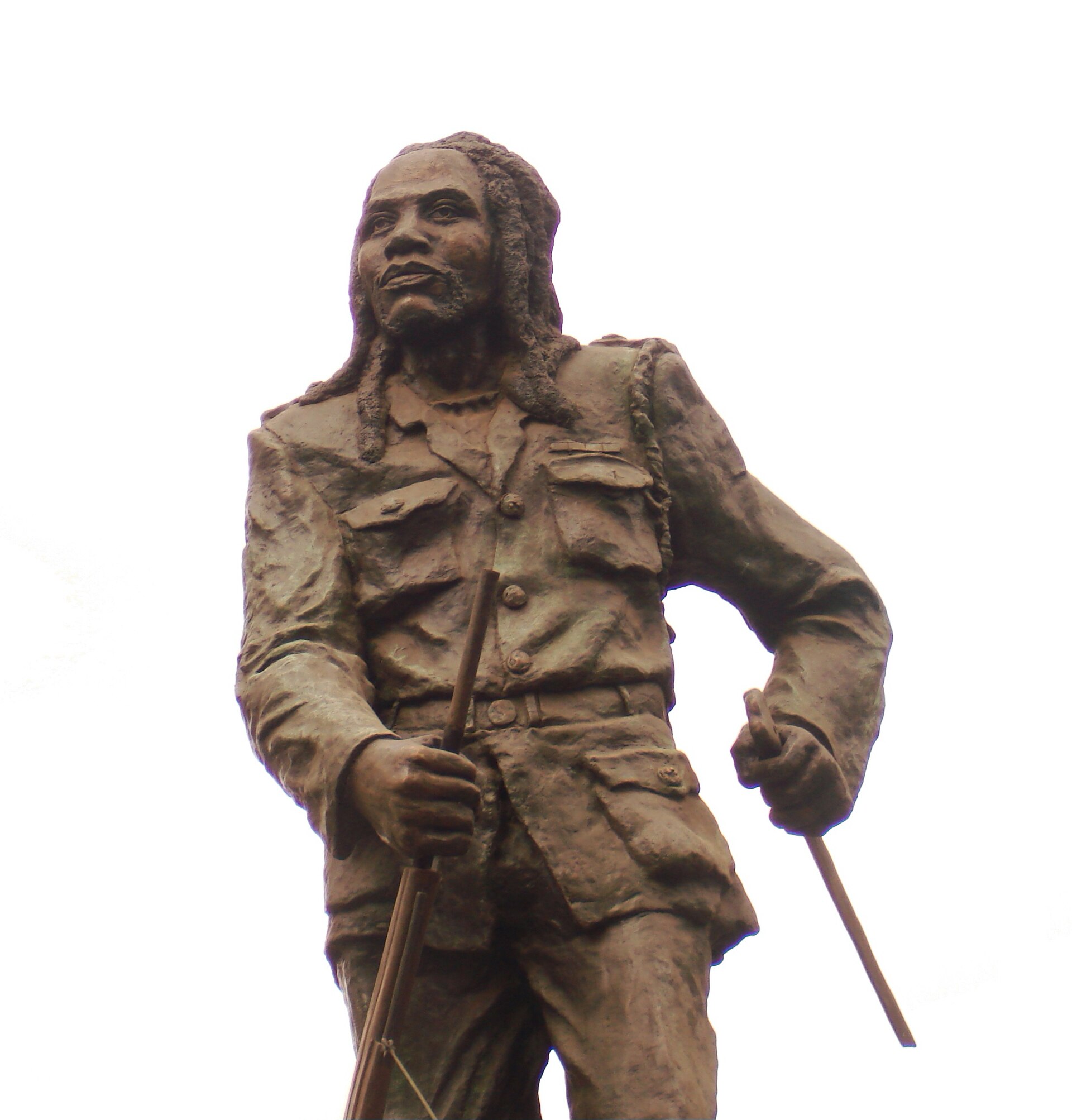
Britain settled claims by 5,228 Kenyan claimants and agreed to support a memorial in Nairobi to victims of torture. A statue of Dedan Kimathi, whom Nairobi’s Standard calls a “Mau Mau freedom fighter”, stands in central Nairobi.
Independence and the Kenyatta Years
Kenya became independent on Thursday 12 December 1963. The United States recognised it that day, and US envoy Stewart Udall carried President Lyndon B. Johnson’s congratulations to Prime Minister Jomo Kenyatta.
At independence, Kenya had a two-chamber parliament and regional assemblies, with the British monarch represented by a governor-general, the National Assembly records. Between December 1964 and 1968, amendments abolished the regions and merged the two chambers.
Power concentrated in the presidency and in KANU. Kenyatta led the country until his death in 1978.
Daniel arap Moi succeeded him, and Kibaki became Moi’s vice-president, according to the Nation.
Moi, One-Party Rule and the Return of Multiparty Politics
In 1982, Section 2A was added to the constitution to ban opposition groups. That left KANU as the only legal party, as Human Rights Watch documented in its 1992 world report.
Dissent did not disappear. On 7 July 1990, opposition leaders defied a ban and gathered in Nairobi to demand multiparty democracy, and police responded with force.
Kenyans call the date Saba Saba, Swahili for “seven seven”.
In late November 1991, international donors suspended new aid for six months pending reforms. On 3 December 1991, President Moi announced the repeal of Section 2A, and multiparty politics became legal again.
The decade also brought an attack aimed at the United States. In 1998, a terrorist bombing hit the US Embassy in Nairobi.
It killed 12 US citizens, 32 local embassy staff and 247 Kenyans, the Office of the Historian records.
About 5,000 Kenyans were injured in that bombing. The attack remains part of the background to US security ties with Kenya.
Kibaki, the 2007 Crisis and the 2010 Constitution
The opposition finally united in 2002. Kibaki ran for the National Rainbow Coalition (NARC), a broad opposition alliance, and won decisively.
He was sworn in on Monday 30 December 2002 as Kenya’s third president, ending KANU’s hold on power. In 2004, Wangari Maathai won the Nobel Peace Prize, the first African woman to receive it.
The prize honoured “her contribution to sustainable development, democracy and peace”.
The election of December 2007 broke that momentum. The International Criminal Court (ICC) prosecutor said the violence that followed killed over 1,000 people.
It also displaced about 350,000 and seriously injured over 3,500.
The ICC later charged senior figures, including Uhuru Kenyatta and William Ruto. The case against Ruto was terminated on 5 April 2016, and the charges against Kenyatta were withdrawn.
Neither man was convicted.
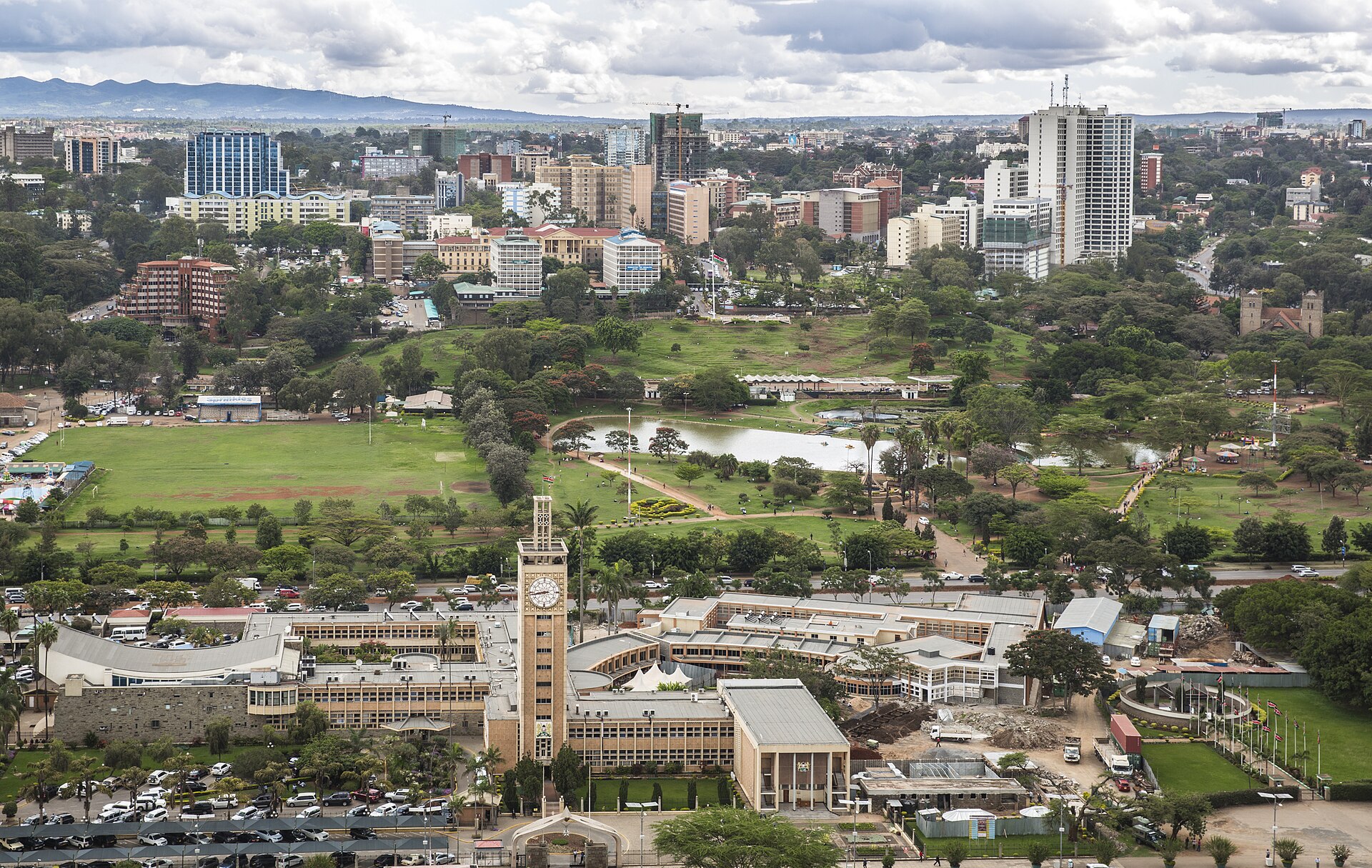
Reform followed the crisis. A new constitution was promulgated on 27 August 2010 after roughly two-thirds of voters approved it in a referendum.
It devolved power to 47 counties, set out a broad Bill of Rights and built checks on the presidency.
From Uhuru Kenyatta to Ruto, the Road to 2026
Kibaki served until 9 April 2013, when Uhuru Kenyatta became president. Ruto served as his deputy president from 2013 to 2022, according to State House.
On 1 September 2017, the Supreme Court annulled the presidential election by four votes to two. Chief Justice David Maraga read the majority opinion, which found the electoral commission had not run the poll as the constitution required.
Ruto won the presidential election of 9 August 2022 and was sworn in on 13 September 2022. He ran for the United Democratic Alliance (UDA), the main party in his Kenya Kwanza coalition.
In June 2024, youth-led protests, widely called the Gen Z protests, forced Ruto to withhold assent from an unpopular Finance Bill. Anniversary protests on 25 June and on Saba Saba in 2025 turned deadly again.
Rigathi Gachagua, Ruto’s first deputy, is now a former deputy president and a political rival. Kithure Kindiki holds the office as of October 2026 and is campaigning hard in the Mount Kenya region.
Raila Odinga, the veteran opposition leader and former prime minister, died in October 2025. His family and his Orange Democratic Movement (ODM) party are marking the first anniversary of his death in October 2026.
The Independent Electoral and Boundaries Commission (IEBC) has set the next general election for Tuesday 10 August 2027. Its Gazette Notice dated 20 August 2026 fixes the campaign from 29 May to 7 August 2027.
What It Means for US Readers
Investors. The 2010 constitution and an assertive judiciary are real checks on the executive, as the 2017 annulment showed. Fiscal policy is politically risky, because the 2024 Finance Bill protests forced a president to back down.
Policy watchers. The United States designated Kenya a Major Non-NATO Ally in a presidential determination signed on 24 June 2024. Ties go back to recognition on independence day in 1963, and the 1998 embassy bombing still shapes security cooperation.
Travellers. Kenya’s past is easy to visit: Fort Jesus in Mombasa, Lamu Old Town and Thimlich Ohinga are all UNESCO World Heritage sites. Protest anniversaries such as 25 June and 7 July are dates to watch for travel plans.
Expats and the diaspora. The run-up to the August 2027 election will dominate politics, with party deadlines that began in October 2026. Past elections in 2007 and 2017 show that disputes can end in violence or in court.
Connected Coverage
Who Runs Kenya in 2026, Ruto, Political Families, Regions
Kenya Population 2026, Ethnic Groups and Faiths
Foreign Powers and Investors in Kenya 2026
Who Can Challenge Ruto in Kenya’s 2027 Election
What Is Not Known
Whether the August 2027 date will hold is not settled. High Court judge Mugure Thande ruled that the general election ought to have been held on 11 August 2026.
An opinion column in The Standard discussed the ruling in September 2026.
The IEBC is still working to its 2027 timetable. The same column said no public report of an appeal had appeared by mid-September 2026.
How the courts and Parliament resolve that tension is unknown.
The full death toll of the Emergency has never been fixed. The UK government speaks only of “many thousands” of Mau Mau dead.
The 2007 to 2008 casualty figures are the ICC prosecutor’s estimates, and no one was convicted.
How Odinga’s death will reshape opposition alliances before 2027 is also unclear.
Frequently Asked Questions
When did Kenya become independent?
Kenya became independent from Britain on Thursday 12 December 1963. The United States recognised it the same day and established diplomatic relations on 2 March 1964.
How old is human history in Kenya?
Stone tools found at Lomekwi 3, west of Lake Turkana, are 3.3 million years old, according to a study published in Nature on 20 May 2015.
What was the Mau Mau uprising?
It was an insurgency against British colonial rule. The UK government dates the Emergency period from October 1952 to December 1963 and in 2013 settled claims by 5,228 Kenyans who said they were tortured or ill treated.
When did Kenya return to multiparty politics?
On 3 December 1991, President Daniel arap Moi announced the repeal of Section 2A, the 1982 clause that had banned opposition groups. Mwai Kibaki of the opposition coalition NARC won the presidency in 2002.
Why is the 2010 constitution important?
Promulgated on 27 August 2010 after a referendum, it devolved power to 47 counties, set out a broad Bill of Rights and built checks on the presidency. In 2017 the Supreme Court used its powers to annul a presidential election.
Who leads Kenya in 2026 and when is the next election?
As of October 2026, William Ruto is president and Kithure Kindiki is deputy president. The electoral commission has set the next general election for Tuesday 10 August 2027, although a High Court ruling has questioned the date.
Sources: Nature (Lomekwi 3), https://www.nature.com/articles/nature14464; UNESCO (Thimlich Ohinga), https://whc.unesco.org/en/list/1450/; UNESCO (Lamu Old Town), https://whc.unesco.org/en/list/1055/; UNESCO (Fort Jesus), https://whc.unesco.org/en/list/1295/; US Office of the Historian, https://history.state.gov/countries/kenya; UK Foreign Office statement, 6 June 2013, https://www.gov.uk/government/news/statement-to-parliament-on-settlement-of-mau-mau-claims; Kenya National Assembly, https://www.parliament.go.ke/the-national-assembly/about/history; Human Rights Watch World Report 1992, https://www.hrw.org/reports/1992/WR92/AFW-03.htm; Nation, https://nation.africa/kenya/news/politics/mwai-kibaki-the-iconic-leader-with-an-indelible-legacy-3800334; Nobel Prize, https://www.nobelprize.org/prizes/peace/2004/maathai/facts/; International Criminal Court, https://www.icc-cpi.int/kenya; Oxford Human Rights Hub, https://ohrh.law.ox.ac.uk/historic-judgment-kenyas-presidential-election-declared-null-and-void-and-fresh-election-ordered/; State House Kenya, https://www.president.go.ke/administration/office-of-the-president/; US Federal Register, https://www.federalregister.gov/documents/2024/07/12/2024-15482/designation-of-kenya-as-a-major-non-nato-ally; The Star (IEBC timetable), https://www.the-star.co.ke/news/2026-08-24-tight-deadlines-for-parties-candidates-in-2027-race; The Star (Kindiki), https://www.the-star.co.ke/news/2026-10-12-inside-kindikis-ground-game-to-reclaim-mt-kenya; The Standard, https://www.standardmedia.co.ke/opinion/article/2001557853/the-next-elections-should-be-held-before-august-10-2027; Jurist (2010 constitution), https://www.jurist.org/news/2026/09/kenya-dispatch-country-marks-16-years-of-transformative-constitution-torn-between-celebration-and-reckoning/; Jurist (Saba Saba), https://www.jurist.org/news/2025/07/kenya-dispatch-35th-anniversary-of-saba-saba-protests-marked-by-demonstrations-deaths-in-nairobi-and-beyond/; Kenyans.co.ke, https://www.kenyans.co.ke/news/127513-raila-family-raises-alarm-over-unauthorised-fundraising-ahead-anniversary; World Bank, https://api.worldbank.org/v2/country/KEN/indicator/SP.POP.TOTL; all accessed 13 October 2026.
This article was produced by The Rio Times’ automated newsroom system. How we use AI · Report an error · Editorial responsibility: Matthias Camenzind, Editor-in-Chief
Expat Guide to Kenya
What The Rio Times publishes for foreigners who live in or move to Kenya.
Start here
- Moving to Kenya: US$30 Travel Authorisation, Work Permit Costs 500,000 Shillings a Year
- Kenya Residency Visa Requirements 2026: Class K Starts at 35
- Open a Bank Account in Kenya as a Foreigner, Step by Step
- Taxes in Kenya for Expats 2026: The Health Levy Cap Is Gone
City guides
Coming up in Kenya
- Kenya Hosts Four-Day Kisima Wellbeing Festival in Kilifi, 16-19 October 19 Oct
- Ne-Yo in Nairobi on 20 October, Gold Tickets US$116 20 Oct
- Mombasa Events 12 to 31 October 2026 24 Oct
- Nairobi Marathon 2026: Southern Bypass Race on 25 October 25 Oct
Understand Kenya