Mozambique Culture, the Key Figures to Know in 2026
MOZAMBIQUE · CULTURE
Key Facts
- —The country Mozambique is a southern African country of 35.6 million people (2025) where Portuguese is the official language and Emakhuwa and Changana are widely spoken national languages. Its culture travels abroad through writers, marrabenta music and an Olympic champion.
- —Heritage UNESCO lists three living traditions, Chopi Timbila and Gule Wamkulu (2008) and Ingoma Ya Mapiko (2023), and has named the Island of Mozambique a World Heritage site since 1991.
- —Writers Three Mozambicans have won the Camões Prize: José Craveirinha (1991), Mia Couto (2013) and Paulina Chiziane (2021).
- —Music Marrabenta anchors popular music, from the late Dilon Djindji, known as its king, to the band Ghorwane and the rapper Azagaia, who died on 9 March 2023.
- —Sport Maria Mutola won Olympic 800 metres gold in 2000, and the national football team won its first Africa Cup of Nations finals match at the 2025 tournament.
- —Policy Culture sits in the Ministry of Education and Culture, with Matilde Muocha as Secretary of State for Arts and Culture as of October 2026.
- —What to watch The Mozambique Tourism Summit in Vilankulo on 5 and 6 November 2026 includes a panel on culture as an economic asset, and a round table on the national film archive is set for 27 October 2026.

Mozambique’s culture reaches the world through a short list of names, among them novelist Mia Couto, Olympic champion Maria Mutola, the late rapper Azagaia and the painter Malangatana. This guide sets out who they are, which traditions UNESCO protects and which prizes and festivals matter as of October 2026.
Mozambique Culture at a Glance
Mozambique had 35,631,653 people in 2025, World Bank data updated on 8 October 2026 show, and Portuguese is the only official language under Article 10 of the Constitution. Article 9 adds that the state values the national languages as cultural and educational heritage and promotes their development.
The Constitution was translated into two national languages, Emakhuwa and Changana, in July 2019 by the communication research centre Sekelekani, Carta de Moçambique reported on 9 July 2019. Translator Maurício Bernardo told the news site that the two were chosen because they have more than 10 million speakers, citing the last census.
UNESCO lists three living traditions from Mozambique: Chopi Timbila and Gule Wamkulu, both inscribed in 2008, and Ingoma Ya Mapiko, inscribed in 2023 on its list of heritage in need of urgent safeguarding. The Island of Mozambique, once the seat of Portuguese colonial government, has been a World Heritage site since 1991.
Culture is run from the Ministry of Education and Culture, where Matilde Muocha is Secretary of State for Arts and Culture as of October 2026. On 21 October 2026 she and Hélder Jauana, chairman of the national tourism agency ANDITUR, agreed to align culture and tourism projects, O País reported.
More on the country is on the Rio Times Mozambique page, in the guide to who holds power in Mozambique and in the guide to the key players in Mozambique’s economy. The wider region is covered in the guide to Mozambique’s six neighbours and regional ties.
Who Is Who in Mozambique Culture
- Writers: Mia Couto, Paulina Chiziane, José Craveirinha, Noémia de Sousa, Ungulani Ba Ka Khosa.
- Music: Dilon Djindji, Chico António, Wazimbo, Stewart Sukuma, Mingas, the band Ghorwane, the rapper Azagaia.
- Film: Licínio Azevedo, Sol de Carvalho, Ico Costa.
- Visual art: Malangatana, Roberto Chichorro, Gonçalo Mabunda, Reinata Sadimba.
- Sport: Maria Mutola, Reinildo Mandava, Geny Catamo.
Writers and Prize Winners
Three Mozambicans have won the Prémio Camões, the leading prize in Portuguese-language literature: poet José Craveirinha in 1991, Mia Couto in 2013 and Paulina Chiziane in 2021. Chiziane’s win was announced on 20 October 2021 by Portugal’s then culture minister, Graça Fonseca, after a unanimous jury decision.
Mia Couto, born in Beira in 1955, writes fiction and works as a biologist. He won the Neustadt International Prize for Literature in 2014 and the FIL Prize of the Guadalajara book fair in Mexico in 2024.
The FIL Prize carries US$150,000, the fair’s own website states, and Notícias ao Minuto carried the same figure in 2024. Lusa, the Portuguese news agency, reported on 14 April 2025 that Couto won the 2025 PEN/Nabokov Award, worth US$50,000, as the first Portuguese-language author honoured with it by PEN America.
Couto received an honorary doctorate from Eötvös Loránd University in Hungary, which called him one of the most influential voices of the so-called Global South, O País reported on 13 May 2026. Lusa reported on 14 April 2026 that he and Brazil’s Carol Bensimon are the only Portuguese-language authors in a Penguin anthology of international short stories.
Major Literary Prizes in Dates
- 1991: José Craveirinha, Prémio Camões.
- 2013: Mia Couto, Prémio Camões.
- 2014: Mia Couto, Neustadt International Prize for Literature.
- 2021: Paulina Chiziane, Prémio Camões.
- 2024: Mia Couto, FIL Prize, Guadalajara.
- 2025: Mia Couto, PEN/Nabokov Award.
On 23 March 2026 O País quoted Couto, speaking at an opening lecture at the Pedagogical University in Maputo, saying schools should not be used as shelters for flood victims. Hundreds of schools were housing people whose homes were destroyed or flooded, and the start of the school year had been delayed, the newspaper wrote.
The Mia Couto Literary Prize, promoted by the company Cornelder de Moçambique and the Kulemba literary association, named its fourth winners on 8 October 2026 in Beira. Sangare Okapi won in poetry and Eduardo Quive in short stories, Carta de Moçambique reported on 10 October 2026.
Paulina Chiziane, born in Manjacaze and raised in the suburbs of Maputo, published Balada de Amor ao Vento in 1990, which made her the first Mozambican woman with a published novel, Lusa reported on 20 October 2021. Her most translated and widely read book is the feminist novel Niketche: Uma História de Poligamia, from 2002.
Portugal’s then culture minister, Pedro Adão e Silva, called her the first Black woman to receive the Camões Prize, in remarks RTP reported on 5 May 2023. First Lady Gueta Chapo visited her on 14 July 2026, O País reported on 16 July 2026.
Where to Start Reading
- Luís Bernardo Honwana, Nós Matámos o Cão-Tinhoso (1964).
- Ungulani Ba Ka Khosa, Ualalapi (1987).
- Paulina Chiziane, Balada de Amor ao Vento (1990) and Niketche: Uma História de Poligamia (2002).
- Mia Couto, A Varanda do Frangipani, and the story A Guerra dos Palhaços.
- Noémia de Sousa, Sangue Negro.
Poet Noémia de Sousa, born in Catembe in 1926 and author of Sangue Negro, was honoured at a Maputo discussion marking her centenary in late August 2026, O País reported on 29 August. She worked as a poet, journalist and translator and died in 2002.
Ualalapi by Ungulani Ba Ka Khosa, first published in 1987, was due to be launched in English translation and as a comic edition on 10 December 2025, O País reported. The book has been on a list of the 100 best African books of the 20th century since 2002.
The 11th Maputo Book Fair started on Thursday 22 October 2026 at the municipal council building and Tunduru Garden, O País reported on 21 October 2026. Poets Sangare Okapi, Léo Cote and Álvaro Fausto Taruma were on the programme.
Music, From Marrabenta to Hip-Hop
Jorge Ferrão, writing in O País on 2 May 2024, described marrabenta as an urban-rural sound that absorbed the rhythms of xingombela, zukuta and magica. He linked the late Moisés Manjate, born in 1920 in the Mafalala district of Maputo and mourned in the column’s opening line, to the group Conjunto Djambu, which was establishing itself in the early 1950s.
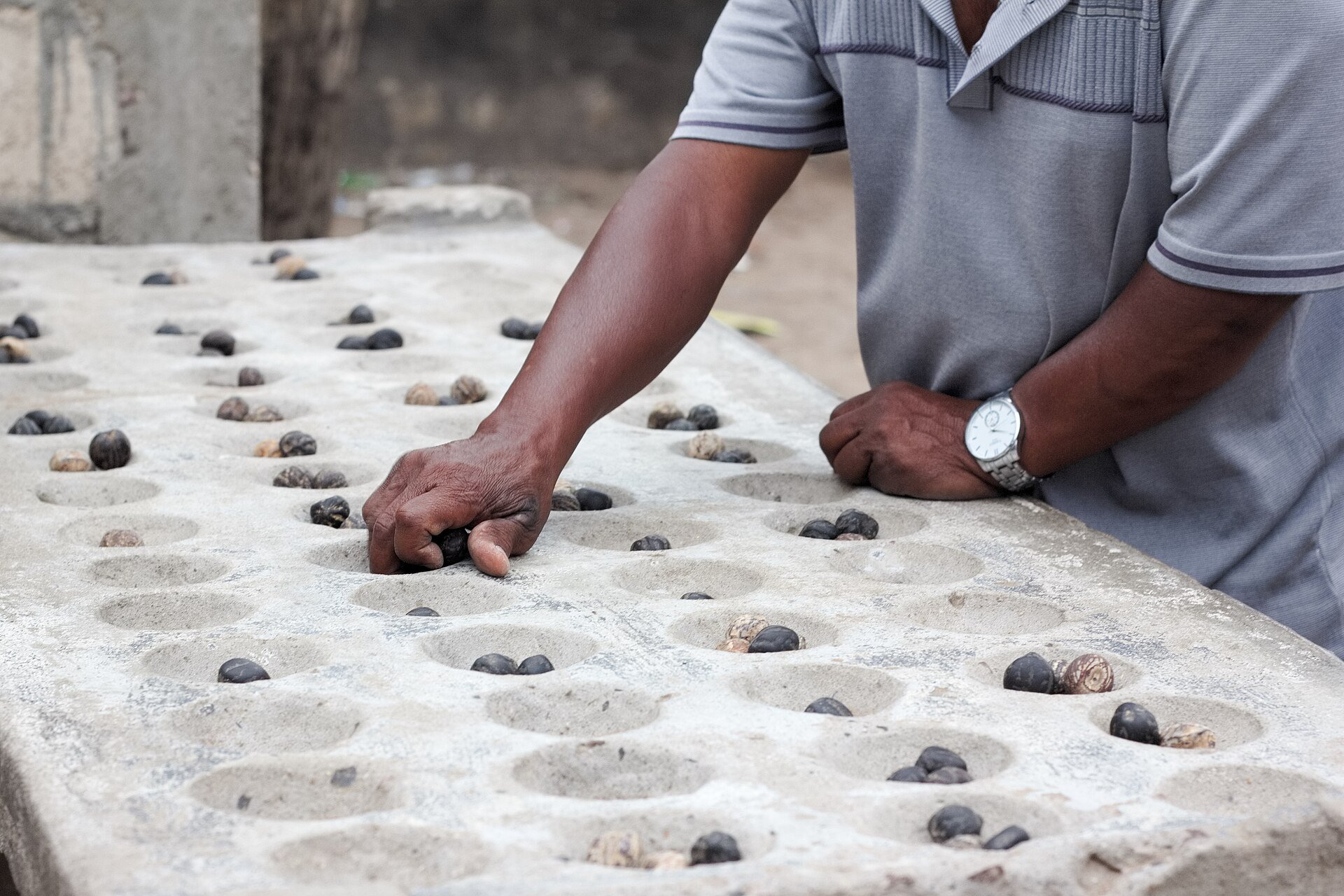
Dilon Djindji died on 18 September 2024, and minister Eldevina Materula, then in charge of culture and tourism, called him a national heritage and urged the country to preserve the legacy of the king of marrabenta. O País reported on 19 September 2024 that the government has a project to digitise his work and that of other artists.
Chico António, who sang Baila Maria, died on 13 January 2024 aged 66, O País reported. Hortêncio Langa, a musician, composer, visual artist and writer who wrote the book Magoda, died on 12 April 2021.
At the concert Gratidão on Saturday 12 September 2026, which put the veteran musicians Wazimbo and José Mucavele on one stage, President Daniel Chapo said preserving music and the arts must be a state responsibility. He told the press that a people without culture has no identity and pointed to the expansion of the National Music School to the centre and north, O País reported on 13 September 2026.
Stewart Sukuma received the career prize at the 34th Ngoma Moçambique awards on 2 December 2022 after 40 years in music, and Quelimane made him an honorary citizen later that month. Mingas, whose albums include Vuka Africa and Vhumela, was announced as the honouree of the Moz Legends Moments concert of 2 December 2023.
A Listening List
- Baila Maria, Chico António.
- Mamana, Mingas, written by the drummer Zeca Tcheco.
- Vuka Africa and Vhumela, albums by Mingas.
- Babalaze (2007) and Cubaliwa (2013), albums by Azagaia.
- Povo no Poder, Azagaia, written after the riots of 5 February 2008.
Ghorwane, described by Lusa in July 2024 as the oldest band in Mozambique, lost its member Zeca Alage, beaten to death in 1993, and Pedro Langa, shot dead at home in 2001. President Daniel Chapo awarded the band’s music cooperative the Merit Medal for Arts and Letters on 23 June 2025, as part of honours for 50 years of independence.
The band’s 40-year concert in 2024 was titled Ahimiyelanga, a Ronga and Changana word that O País translated as we are not silent. A 42nd anniversary concert followed in Maputo in late August 2025 with guest Albino Bié, who travelled from the United States.
Rapper Azagaia, born Edson da Luz in Namaacha on 6 May 1984, died on 9 March 2023. His song Povo no Poder, released after the riots of 5 February 2008 in Maputo, earned him a summons to the Attorney General’s Office on suspicion of threatening state security, O País wrote.
Thousands marched at his funeral procession, and riot police used tear gas when the crowd tried to carry the coffin past Ponta Vermelha, LBC reported. Carta de Moçambique wrote on 10 March 2025 that protesters after the October 2024 election reused Povo no poder as a slogan.
Gimo Remane, who formed the band Eyuphuro, was born in Mossuril on 23 August 1955 and sings in his first language, Emakhuwa, Jorge Ferrão wrote in Carta de Moçambique on 13 November 2024. Ferrão called him perhaps the most successful artist from Nampula province.
Film Makers and the Audiovisual Archive
Director Licínio Azevedo, a former journalist in Brazil, had 13 of his films shown at the Cinemateca of Porto Alegre from 2 to 10 December 2022, O País reported. The programme included Virgem Margarida, Comboio de Sal e Açúcar and Mãos de Barro, a documentary on the ceramist Reinata Sadimba.
Films to Know
- Virgem Margarida, Comboio de Sal e Açúcar and Mãos de Barro, by Licínio Azevedo.
- Tempo dos Leopardos, considered the first fiction feature of independent Mozambique.
- O Ancoradouro do Tempo, by Sol de Carvalho, with screenings in February and August 2026.
- O Ouro e o Mundo, by Ico Costa, filmed in Inhambane and shown at the Kugoma forum in September 2026.
Speaking to O País on 24 October 2018, Azevedo called the lack of film funding the dramatic and tragic problem of Mozambican cinema. He said the country was making three to four films every three years.
Tempo dos Leopardos, considered the first fiction feature of independent Mozambique, was made by a joint Yugoslav and Mozambican team and honoured with an exhibition at the Scala theatre marking 40 years, O País reported on 31 October 2025. Sound operator and actor Valente Dimande recalled filming war scenes while the real war was under way.
The National Institute of Cultural and Creative Industries, INICC, plans a round table on 27 October 2026 on preserving and opening access to the country’s audiovisual heritage, with a screening of Tempo dos Leopardos, O País reported on 26 October 2026. The event is titled Memória Audiovisual Moçambicana.
Sol de Carvalho directed O Ancoradouro do Tempo, adapted from Mia Couto’s book A Varanda do Frangipani with music by Stewart Sukuma, and it screened from 26 to 28 February 2026, O País reported. A cycle of Mozambican cinema at the Pedagogical University in Maputo from 3 to 7 August 2026 also listed it, alongside Azevedo’s Comboio de Sal e Açúcar.
The 16th Kugoma film forum ran in Maputo from 31 August to 5 September 2026 and opened with Ico Costa’s O Ouro e o Mundo, O País reported on 3 September 2026. Carta de Moçambique wrote on 8 July 2022 that the Dockanema documentary festival and the African Film Week had once made Maputo an African film capital, but that this momentum had evaporated.
Painters, Sculptors and Craft Makers
Malangatana Valente Ngwenya was born on 6 June 1936 in Matalana, in Marracuene district, and died on 5 January 2011. Eduardo Mondlane University scheduled a posthumous honorary doctorate in letters, arts and culture for him on Monday 14 September 2026, Carta de Moçambique reported.
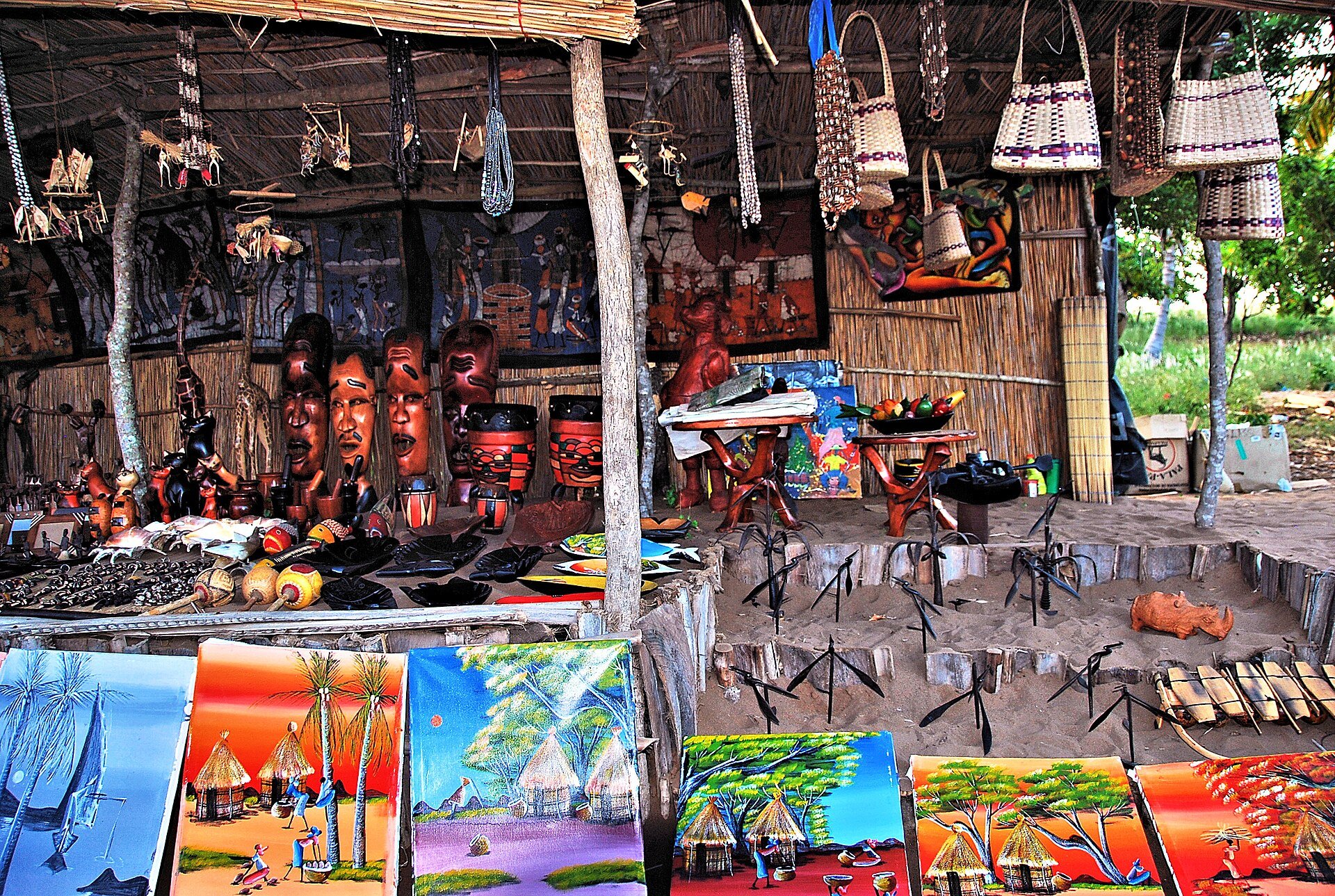
The National Art Museum, MUSART, opened a restoration show for his 1967 work Trabalho, owned by Absa Bank Moçambique, on 15 April 2024, O País reported on 17 April 2024. Roberto Chichorro marked 60 years of career that April while living in Portugal, and the artist Naguib likened him to Malangatana and Bertina Lopes, whom he called baobabs of Mozambican art.
Gonçalo Mabunda, born in Maputo in 1975, makes thrones and masks from weapons disarmed after the civil war of 1977 to 1992. His show O Adivinho dos Fabricantes da Pobreza was scheduled to run at the Franco-Mozambican Cultural Centre (CCFM) from 13 August to 18 October 2025, O País reported on 4 August 2025.
Ceramist Reinata Sadimba was one of 11 women in the show Elas Aqui e Agora at the Brazilian cultural institute Instituto Guimarães Rosa in Maputo from 8 April to 14 June 2025. Naguib’s flor-de-paixão exhibition ran at the Fernando Leite Couto Foundation in Maputo until 13 December 2021, O País reported on 4 December 2021.
On Thursday 22 October 2026 the bank Millennium bim and the family of the late Mário Machungo signed a memorandum creating the Mário Machungo Arts Prize, Carta de Moçambique reported on 25 October 2026. Machungo was prime minister from 1986 to 1994 and the bank’s first chairman, from its founding in 1995 until 2014.
Art Venues Named Above
- National Art Museum (MUSART): restoration show of Malangatana’s Trabalho, April 2024.
- Franco-Mozambican Cultural Centre (CCFM): Gonçalo Mabunda, August to October 2025.
- Instituto Guimarães Rosa: Elas Aqui e Agora, April to June 2025.
- Fernando Leite Couto Foundation: Naguib, until December 2021.
Sport Icons, Mutola to the Mambas
Maria Mutola won bronze in the women’s 800 metres at the 1996 Olympics and gold in 2000, and Olympedia lists her as the only Mozambican Olympic medal winner. She was born on 27 October 1972 in Maputo, Olympics.com records.
Mutola told a conference on poet José Craveirinha’s centenary in 2022 that he served as a father and tutor without whom she would not have had her success, and O País wrote that he and his son Stélio steered her from football to athletics. The Prefontaine Classic in Eugene, Oregon, where she lived for more than 16 years, named the women’s 800 metres the Mutola 800m, O País reported on 1 April 2025.
Sport Milestones
- 1996: Maria Mutola, Olympic bronze, women’s 800 metres.
- 2000: Maria Mutola, Olympic gold, women’s 800 metres.
- 2025 tournament: first Africa Cup of Nations finals win and first round of 16 for the national team.
- Early January 2026: Dominguez, Mexer and Reinildo Mandava announce their international retirement after the match with Nigeria.
- 25 September 2026: 1-1 draw with Senegal in qualifying for the 2027 Africa Cup of Nations.
The national football team, the Mambas, won its first match at an Africa Cup of Nations finals and reached the round of 16 for the first time at the 2025 tournament in Morocco, O País reported on 20 January 2026. Nigeria eliminated the team in early January 2026, and the veteran players Dominguez, Mexer and Reinildo Mandava announced their international retirement after that match, O País reported on 6 January.
Mexer said that he, Reinildo and Dominguez were leaving the squad but that the national team goes on. Reinildo, a left-back, said it was his last campaign after 12 years in the shirt.
Reinildo started the 2-1 win over Chelsea on the last Premier League matchday that sent Sunderland into the UEFA Europa League for the first time, for the 2026/27 season, O País reported on 25 May 2026. Geny Catamo, the winger Sunderland bid for in August 2026, scored the equaliser in the 1-1 draw with Senegal on 25 September 2026 in qualifying for the 2027 Africa Cup of Nations.
O País reported on 20 August 2026 that Sporting rejected a Sunderland offer for Catamo of 30 million euros (US$33.6 million) plus 10 million euros (US$11.2 million) in add-ons, converted at 0.8925 euros per US$, the 23 October 2026 close. The transfer window was due to close on 4 September 2026, the report added.
Festivals, Heritage and Living Traditions
Ingoma Ya Mapiko is a celebratory dance of the Makonde people, performed as part of the rite of passage from puberty to adulthood, with dancers wearing masks that represent animals or people. UNESCO inscribed it in 2023 on its list of intangible heritage in need of urgent safeguarding.
Chopi Timbila is the orchestral music of the Chopi people of southern Inhambane province, played on five to 30 wooden xylophones called timbila. UNESCO warns that young people are losing contact with the tradition and that deforestation has made the wood scarce.
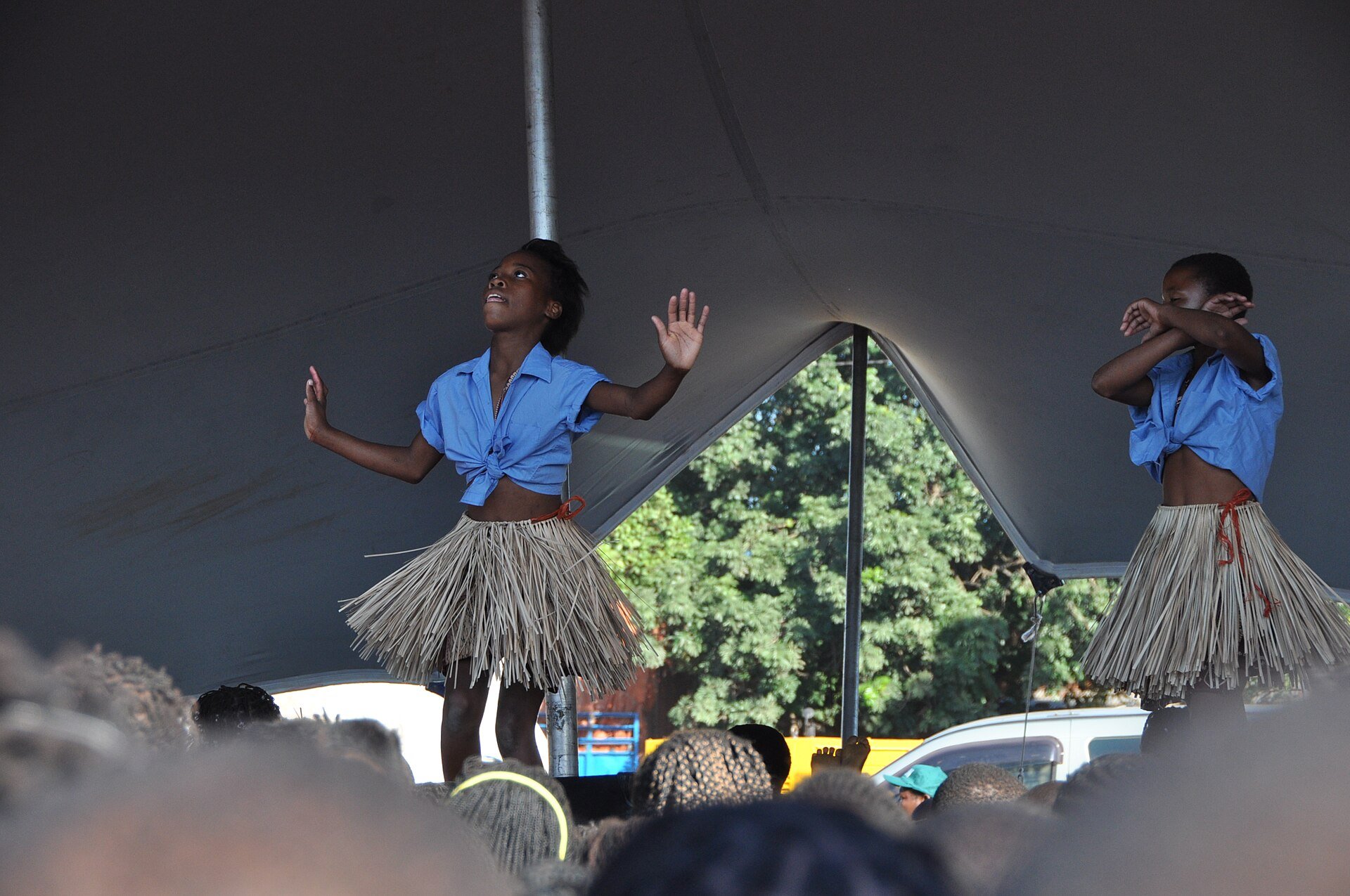
The M’Saho Timbila Festival held its 29th edition in Quissico, in Zavala district, on 23 August 2025, O País reported on 28 August 2025. The festival celebrates the Chopi xylophone tradition that UNESCO lists.
Gule Wamkulu is a ritual dance of the Chewa people that UNESCO lists for Malawi, Mozambique and Zambia together since 2008. It was a secret cult, UNESCO notes.
The Island of Mozambique, a World Heritage site since 1991, was the seat of Portuguese colonial government from 1507 to 1898, UNESCO records. Its stone and lime town shows Swahili, Arab and European influences, while its southern macuti town reflects traditional African architecture.
The Mozambique Music Meeting, a showcase and professional market for music, held its third edition from 4 to 8 March 2026 in Maputo with nine Mozambican acts, O País reported on 3 March 2026. O País announced the AZGO festival’s 11th edition for 24 and 25 May 2024 in Kumbeza, Marracuene, on the theme of Afrofuturism, and Carta de Moçambique reported a smaller Azgo Sessions, volume 1, set for 22 May 2026 at the CCFM.
Mozambique Fashion Week, known as MFW, was announced for its 18th edition in Vilankulo on 13 June 2022, O País reported. The festival had returned in a digital format in Maputo from 9 to 12 December 2020, the newspaper wrote at the time.
The Mozambique Tourism Summit takes place in Vilankulo, in Inhambane province, on 5 and 6 November 2026, with about 30 countries expected and a panel titled Culture as an Economic Asset of Tourism, O País reported on 21 October 2026. Matilde Muocha said culture and tourism are the main attractions for national and foreign tourists.
Dates to Watch
- 27 October 2026: INICC round table on audiovisual heritage, with a screening of Tempo dos Leopardos.
- 5 and 6 November 2026: Mozambique Tourism Summit, Vilankulo, with a culture and tourism panel.
- From 22 October 2026: 11th Maputo Book Fair, Maputo.
Media Freedom, Protest and Security Strain
Reporters Without Borders (RSF) ranked Mozambique 99th of 180 countries in its 2026 press freedom index, with a score of 52.27, against 101st in 2025. It describes Notícias as the government-controlled leading daily, O País as the most popular independent daily, and Savana and Canal de Moçambique as independent weeklies.
RSF’s country page records that access to the north is virtually impossible without risking arrest, and it dates the Islamist insurgency there to 2017. Its news feed reports on 10 July 2026 the prosecution of journalist Estacio Valoi and records the attempted killing of Carlitos Cadangue of the broadcaster STV in Chimoio on 4 February 2026.
Protests after the October 2024 general election began on 21 October 2024 and produced contested death tolls. Carta de Moçambique listed on 28 February 2025 an official figure of 80, police data of 96 to 22 January, the monitoring platform DECIDE at 353 to 25 February and the civil society group CDD at least 600 to 15 January.
RSF’s 2026 country page refers to violent clashes that resulted in over 300 deaths. It adds that five journalists were hospitalised in October 2024.
The International Organization for Migration counted 4,445 people fleeing attacks in Nangade, Macomia, Muidumbe and Mocímboa da Praia in Cabo Delgado between 21 September and 2 October 2026, O País reported on 14 October 2026, citing Lusa. The flight shows that the insurgency remains active in the north.
Connected Coverage
What It Means for US Readers
The US State Department rates Mozambique Level 2, exercise increased caution, in an advisory reissued on 21 August 2026, and rates Cabo Delgado province, the Niassa Special Reserve and the Memba and Erati districts of Nampula province Level 4, do not travel. It also warns of street crime in Maputo and notes that unplanned protests can turn violent.
Travel Snapshot
- Mozambique overall: Level 2, exercise increased caution (advisory reissued 21 August 2026).
- Cabo Delgado province, the Niassa Special Reserve and the Memba and Erati districts of Nampula province: Level 4, do not travel.
- Maputo: street crime; unplanned protests can turn violent.
Maria Mutola lived in Eugene, Oregon, for more than 16 years and won 16 races at the Prefontaine Classic there, 12 of them over 800 metres, O País reported on 1 April 2025. Couto’s PEN/Nabokov Award in 2025 came from PEN America, a US writers’ group.
The Mozambique Tourism Summit pitches the country as a destination and a place to invest under the motto Mozambique: Where Africa Reinvents Itself, O País reported on 21 October 2026. About 30 countries are expected, and the culture panel is aimed at operators from both the cultural and tourism sectors.
The rejected Sunderland offer for Geny Catamo was worth up to US$44.8 million with add-ons, O País reported on 20 August 2026. Reinildo Mandava already plays for Sunderland, which qualified for the 2026/27 Europa League.
What Is Not Known
Census tables on mother tongues from the national statistics institute, INE, could not be reached, so the claim of more than 10 million Emakhuwa and Changana speakers rests on a 2019 comment by a translator. No published figure for the share of Mozambicans who speak Portuguese at home was found.
Mozambican and international outlets described the cause of Azagaia’s death on 9 March 2023 differently, and no official finding appears in those reports. Carta de Moçambique dated his death to 10 March in 2025, while O País reported 9 March at the time.
No 2026 edition of the Dockanema festival and no Mozambique Fashion Week after June 2022 could be confirmed. No figure for the 2026 culture budget appears in the sources used.
The PEN/Nabokov amount and the first-Portuguese-language-author claim rest on Lusa, because PEN America’s own page could not be opened. The place where the traditional dance photograph was taken is not stated in its Commons record.
Frequently Asked Questions
What is Mozambique known for culturally?
Mozambique is known for marrabenta music, writers such as Mia Couto and Paulina Chiziane, the painter Malangatana and Olympic champion Maria Mutola. UNESCO lists its Chopi Timbila, Gule Wamkulu and Ingoma Ya Mapiko traditions.
Who are Mozambique’s most famous writers?
Three Mozambicans have won the Camões Prize: José Craveirinha in 1991, Mia Couto in 2013 and Paulina Chiziane in 2021. Couto also won the Neustadt International Prize for Literature in 2014.
What is marrabenta?
Marrabenta is an urban-rural Mozambican dance music that absorbed xingombela, zukuta and magica rhythms, Jorge Ferrão wrote in O País in 2024. Dilon Djindji, who died on 18 September 2024, was called its king.
Which Mozambican traditions has UNESCO recognised?
UNESCO lists Chopi Timbila and Gule Wamkulu (both 2008) and Ingoma Ya Mapiko (2023), and the Island of Mozambique is a World Heritage site since 1991. Gule Wamkulu is shared with Malawi and Zambia.
Who is Maria Mutola?
Maria Mutola won bronze in the women’s 800 metres at the 1996 Olympics and gold in 2000. Olympedia lists her as Mozambique’s only Olympic medal winner.
Did Mozambique win a match at the Africa Cup of Nations?
Yes, at the 2025 tournament in Morocco Mozambique won its first finals match and reached the round of 16 for the first time, O País reported. Nigeria eliminated the team in early January 2026.
Is it safe to travel to Mozambique?
The US State Department rated Mozambique Level 2, exercise increased caution, in an advisory reissued on 21 August 2026. Cabo Delgado province, the Niassa Special Reserve and the Memba and Erati districts of Nampula province are rated Level 4, do not travel.
Sources: UNESCO Intangible Cultural Heritage, Mozambique elements; UNESCO, Ingoma Ya Mapiko (2023); UNESCO, Chopi Timbila (2008); UNESCO, Gule Wamkulu (2008); UNESCO World Heritage Centre, Island of Mozambique (1991); Constitute Project, Constitution of Mozambique, Articles 9 and 10; Carta de Moçambique, Constitution in Changana and Emakhuwa (9 July 2019); World Bank, population 2025 (updated 8 October 2026); Reporters Without Borders, Mozambique (2026 index); US State Department, Mozambique travel advisory (21 August 2026); Olympedia, Mozambique; Olympics.com, Maria Mutola; Neustadt Prize, Mia Couto (2014); FIL Guadalajara, FIL Prize laureates; Notícias ao Minuto, Mia Couto wins FIL Prize (2024); Carta de Moçambique, PEN/Nabokov Award for Mia Couto (Lusa, 14 April 2025); Observador, Paulina Chiziane wins Prémio Camões (Lusa, 20 October 2021); RTP, Paulina Chiziane (5 May 2023); Diário de Notícias, Prémio Camões winners (Lusa); Renascença, Mia Couto in Penguin anthology (Lusa, 14 April 2026); LBC, Azagaia funeral (March 2023); O País, Mia Couto honorary doctorate (13 May 2026); O País, Mia Couto on schools as shelters (23 March 2026); Carta de Moçambique, Mia Couto Literary Prize (10 October 2026); O País, First Lady visits Paulina Chiziane (16 July 2026); O País, Noémia de Sousa centenary (29 August 2026); O País, Ualalapi (10 December 2025); O País, Licínio Azevedo adapts Luís Bernardo Honwana (23 March 2021); O País, Maputo Book Fair (21 October 2026); O País, Jorge Ferrão on Moisés Manjate and marrabenta (2 May 2024); O País, Dilon Djindji (19 September 2024); O País, Chico António (14 January 2024); O País, Hortêncio Langa (13 April 2021); O País, concert Gratidão (13 September 2026); O País, Stewart Sukuma (3 December 2022); O País, Stewart Sukuma honorary citizen (18 December 2022); O País, Mingas (30 November 2023); O País, Mamana by Mingas (26 August 2024); Carta de Moçambique, Ghorwane (Lusa, 5 July 2024); O País, Ghorwane at 42 years (20 August 2025); O País, Merit Medals (23 June 2025); O País, Azagaia (9 March 2023); Carta de Moçambique, Azagaia (10 March 2025); Carta de Moçambique, Gimo Remane (13 November 2024); O País, Licínio Azevedo in Porto Alegre (18 December 2022); O País, Licínio Azevedo interview (24 October 2018); O País, Tempo dos Leopardos (31 October 2025); O País, INICC round table (26 October 2026); O País, O Ancoradouro do Tempo (28 February 2026); O País, ACUP film cycle (29 July 2026); O País, Kugoma forum (3 September 2026); Carta de Moçambique, Mozambican cinema (8 July 2022); Carta de Moçambique, Malangatana (14 September 2026); O País, MUSART (17 April 2024); O País, Roberto Chichorro (20 April 2024); O País, Naguib (4 December 2021); O País, Gonçalo Mabunda (4 August 2025); O País, Elas Aqui e Agora (4 April 2025); Carta de Moçambique, Mário Machungo Arts Prize (25 October 2026); O País, Mutola and Craveirinha (31 May 2022); O País, Mutola 800m (1 April 2025); O País, Mambas at AFCON 2025 (20 January 2026); O País, retirements (6 January 2026); O País, Reinildo and Sunderland (25 May 2026); O País, Geny Catamo (20 August 2026); O País, Mozambique 1-1 Senegal (25 September 2026); O País, M’Saho festival (28 August 2025); O País, Mozambique Music Meeting (3 March 2026); O País, AZGO festival (23 April 2024); Carta de Moçambique, Azgo Sessions (22 May 2026); O País, Mozambique Fashion Week (13 June 2022); O País, Mozambique Fashion Week digital format (9 December 2020); O País, Mozambique Tourism Summit (21 October 2026); Carta de Moçambique, post-election death tolls (28 February 2025); O País, Cabo Delgado displacement (14 October 2026). Portuguese-language quotations and headlines are translated. House exchange rate: 0.8925 euros per US$, 23 October 2026 close. All pages accessed on 26 October 2026.
This article was produced by The Rio Times’ automated newsroom system. How we use AI · Report an error · Editorial responsibility: Matthias Camenzind, Editor-in-Chief
Part of our ongoing coverage
Africa: The New Scramble — the great-power contest over the continent.
Expat Guide to Mozambique
What The Rio Times publishes for foreigners who live in or move to Mozambique.
Understand Mozambique