Shops in Kampala’s business district could stay shut for a month from Tuesday 17 November 2026, after the Kampala City Traders Association (KACITA), a body for the capital’s shop owners, called what it describes as a nationwide strike over taxes and customs delays. Whether the strike will be widely followed is open, because how widely it will be followed is not yet known.
The Uganda Revenue Authority (URA), the national tax and customs agency, says it will hold a new meeting with traders after talks on Tuesday 10 November 2026 broke down. For importers and travellers, a long closure of the city’s main trading streets could disrupt supply and prices.
Key Facts
- Who. Kampala City Traders Association (KACITA), a body for Kampala shop owners, has called the strike.
- What. A month-long shutdown over taxes, customs clearance costs and tax-receipt enforcement.
- When. Planned start: Tuesday 17 November 2026. URA promises a new meeting, no date given.
- Not known. How many shops will close, and for how long.
- As of 16 November 2026, 13:30 GMT.
A failed tax meeting between traders and the revenue authority has grown into a strike call, and it is not yet clear how widely it will be followed.
Where the Dispute Comes From
Kampala traders have closed shops over taxes before: a multi-day strike in April 2024 protested high taxes and a newly enforced revenue-collection system. It was called off on 20 April after President Yoweri Museveni met traders and suspended enforcement of EFRIS.
The latest round began on Tuesday 10 November 2026, when traders and URA met to discuss customs delays, enforcement of EFRIS and cargo clearance. EFRIS, the Electronic Fiscal Receipting and Invoicing Solution, is the system through which businesses issue tax receipts that URA can see.
URA says people it calls hired disruptive elements infiltrated the meeting. Reports say participants had to hand in their phones at registration, which drew criticism of URA, and that several traders withdrew.
After the talks collapsed, KACITA called the month-long strike from Tuesday 17 November 2026. URA says it will organise another meeting with traders but has not announced a date.
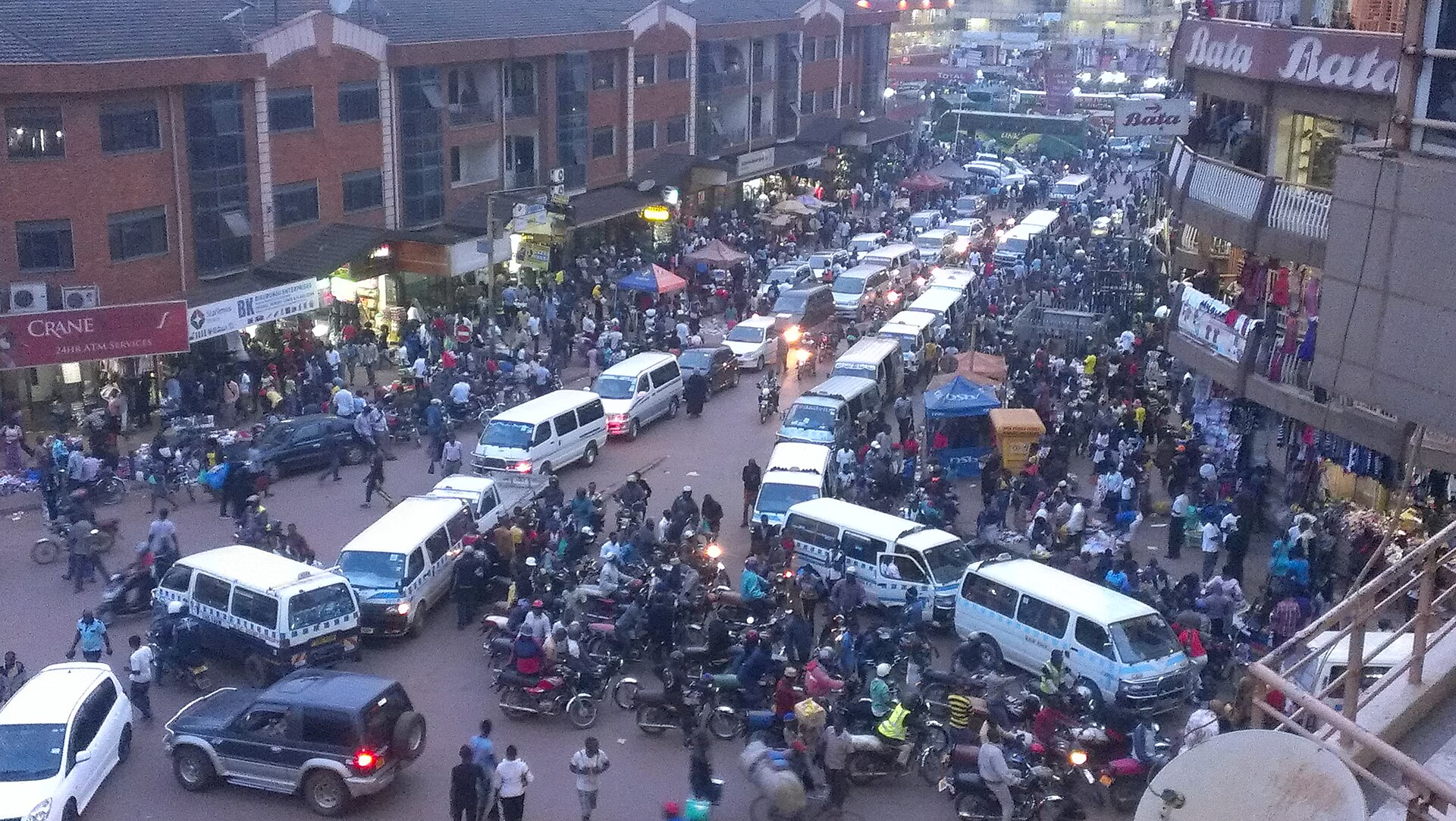
What Each Side Says
KACITA’s stated grievances are long delays in clearing consolidated cargo, demurrage (charges for goods held too long), disputes over EFRIS, arbitrary impoundment of trucks and what traders call excessive taxation. Groupage means several small importers sharing one shipping container, and traders also object to competition from foreign-owned retailers in downtown Kampala.
URA says its groupage reform protects small importers from middlemen: traders can still share containers but must clear each consignment separately. It has also said it regrets the disruption of the 10 November meeting and condemns the people it calls hired disruptors.
On Sunday 15 November, Ramathan Ggoobi, Uganda’s Secretary to the Treasury and the finance ministry’s top civil servant, defended URA on X, the social network, against claims of long clearance delays. He wrote that goods do not stay for eight months unless a tax assessment is unresolved or there is a compliance gap, and that he would step in personally where URA is at fault.
Why It Matters for Kampala Importers
In our assessment, delays at the border hold up both traders’ stock and the tax agency’s revenue. A strike by shop owners would hit retail sales first and then the importers and transporters who supply them.
The April 2024 shutdown ended after Museveni met traders. How many shops would close this time, and for how long, is not known.
What It Means for You
For readers abroad, the dispute matters mostly to firms that import into Uganda or buy from Kampala wholesalers, and to travellers who plan to shop or move cargo through the city centre. No wider effect on United States readers has been established.
Anyone living in the capital can find practical background in our guide to living in Kampala as a foreigner. Government relief for a different group of traders is covered in our report on compensation for flood-hit Kampala traders.
What to Watch
KACITA’s call names Tuesday 17 November 2026 as the first day of closures. URA’s promised second meeting with traders has no confirmed date.
What Is Not Known
It is not known how many shops will close or for how long. We could not find KACITA’s own account of the 10 November meeting.
Ggoobi’s statement that goods do not stay for eight months unless there is an unresolved assessment is Ggoobi’s own account, and we found no published clearance-time data. More Ugandan business coverage is on our Uganda page.
Frequently Asked Questions
What is KACITA?
The Kampala City Traders Association is a body that represents shop owners in Uganda’s capital. It has called the strike due to start on Tuesday 17 November 2026.
Why are Ugandan traders striking?
KACITA cites customs clearance delays, demurrage charges, high taxes and enforcement of the EFRIS receipt system. URA says its reforms protect small importers.
How long will the strike last?
KACITA’s call is for a month-long strike. It is not known how many traders will take part.
What is EFRIS?
The Electronic Fiscal Receipting and Invoicing Solution is the system through which businesses issue tax receipts that URA can see. Traders say its enforcement, including truck impoundments, has raised their costs.
Has URA agreed to another meeting?
URA says it will organise another meeting with traders but has not given a date. Its first meeting, on 10 November 2026, broke down.
Sources: public statements by the Uganda Revenue Authority, the Kampala City Traders Association and Ramathan Ggoobi, Secretary to the Treasury (10–16 November 2026); Uganda government record of the April 2024 traders’ strike and EFRIS suspension; URA guidance on EFRIS, ura.go.ug.
This article was produced by The Rio Times’ automated AI newsroom. Editorial responsibility: Matthias Camenzind, Publisher and Editor-in-Chief. The Rio Times also runs Ask Rio Times, which answers from 100,000+ of our own articles, the daily Latin America Power Map, and prediction-market odds on elections and markets.. How we use AI · Report an error
Living in or visiting Kampala? See this month's events and our Kampala city guide with rents, safety and upcoming concerts.