Mexico Remittances Top US$5.47 Billion in June, Extending Streak
Mexico · Economy
Key Facts
- June total — US$5,471.8 million in remittances, up 4.2% from a year earlier.
- Growth streak — Fifth consecutive month of year-on-year increases, per BBVA Research.
- Operations — 13.0 million sending transactions in June, up 0.3% year on year.
- Average size — Each remittance averaged US$422.0, a 3.9% rise from June 2025.
- First half — Remittances reached US$30,759.2 million, up 3.1% from H1 2025.
- Data source — Banco de México published the figures on 3 August 2026.
Money sent home from abroad grew 4.2% year on year, marking five straight months of gains. For families and investors, the flow looks durable.
Mexico remittances topped US$5 billion again in June 2026, hitting US$5,471.8 million, up 4.2% from a year earlier. That marks five straight months of growth, according to BBVA Research. The flow of money from Mexicans abroad keeps defying predictions of a slowdown. Banco de México released the data on 3 August 2026, and the numbers show a resilient lifeline for millions of households. Even as some analysts expected a cooling, the steady rise points to deep-rooted economic ties.
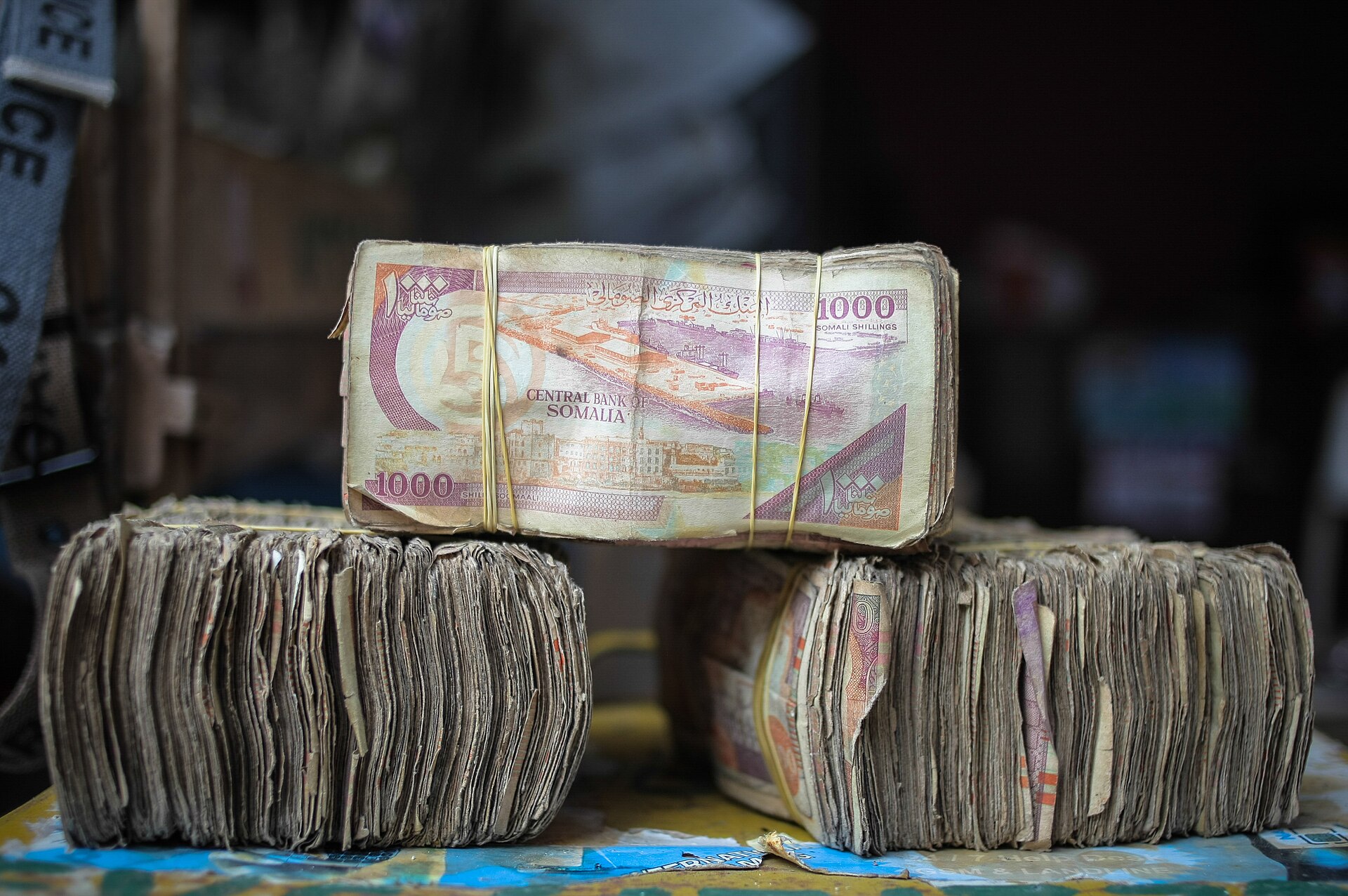
What the June Data Shows: Mexico remittances
The June figure of US$5,471.8 million is the second-highest monthly total ever recorded, close to the record set in May 2025. Some Mexican media rounded the number to US$5,472 million; the underlying trend is unchanged.
This month also marked the fifth consecutive year-on-year gain, a streak that began in February 2026.
Remittances grew by 4.2% year on year, accelerating from the 3.5% pace seen in May. That momentum pushed the first half of 2026 to US$30,759.2 million, up 3.1% from the same period in 2025.
The steady climb has eased worries among economists who feared a sharper slowdown.
Banxico also counted 13.0 million sending operations in June, up just 0.3% year on year. The average remittance rose 3.9% to US$422.0, which means senders are wiring larger sums, not more frequently.
This shift toward bigger transfers is a notable change from earlier years.
For families in states like Michoacán and Oaxaca, this money often covers groceries, school fees, and home repairs. In urban centers like Guadalajara, it supports consumer spending and small businesses.
The extra cash also helps households build savings or pay down debts, adding a layer of financial security.
A fifth straight month of growth suggests the dollar earners in the US are not tightening their belts. That is good news for consumer spending in Mexico, which accounts for about two-thirds of economic activity.
It also signals that the labor market for Mexican workers remains strong despite broader uncertainties.
The steady rise also reflects the resilience of migrant workers who have held onto their jobs despite economic uncertainty. Their consistent support back home is a testament to the deep ties between communities on both sides of the border.
These flows are more than numbers; they are a lifeline for millions.
Why Growth Persists Despite the Headwinds
You might expect remittances to fall when the US economy wobbles. That has not happened so far in 2026.
Instead, the flow has grown steadily, surprising many forecasters who had predicted a decline.
BBVA Research notes that Mexican employment in the US remains strong, particularly in construction and services. These sectors hire many Mexican-born workers, and their wages have kept pace with inflation.
That stability gives workers the confidence to send more money home.
The average remittance of US$422.0 reflects that stability, since senders feel secure enough to wire larger amounts. The count of individual transfers barely moved, which shows that existing senders are doing more, not that new ones are joining.
This pattern points to a mature and dependable flow.
Another factor is the US dollar. When the peso weakens, each dollar buys more pesos back home.
This makes remittances more valuable to recipients, even if the dollar amount stays the same.
That dynamic encourages migrants to send money even if their wage growth is modest. Banxico’s data show the peso traded around 18.2 per dollar in June, slightly weaker than a year earlier.
A softer peso boosts the local purchasing power of each transfer.
For recipients in Mexico, that makes every remittance go further in local terms. It also gives them a little buffer against rising prices for food and other basics.
The combination of steady employment and currency effects helps explain the persistent growth.
The First Half: Steady, Not Spectacular
The six-month total of US$30,759.2 million may look less flashy than the monthly record, but it still marks solid progress. Growth of 3.1% is slower than the double-digit surges seen in 2021 and 2022, but it is consistent.
This steadiness is a sign of maturity in the remittance market.
It also beats most forecasts from late 2025, which predicted flat or negative numbers due to US immigration policy changes. Those predictions have so far not materialized, and the data shows resilience.
The trend, while moderate, provides a reliable foundation for household budgets.
Mexican media, including El Financiero and Mexico News Daily, credited Banxico’s August 3 release with easing fears of a remittance crash. The data shows no such crash.
Instead, it confirms that the flow remains robust and broadly in line with previous years.
Instead, it shows a maturing flow: more dollars per transaction, fewer new senders. That mix suggests the money is becoming more reliable, which is good for mortgage lenders and consumer credit companies.
For them, predictable remittance income reduces the risk of defaults.
What It Means for Your Money and Investments
If you have a bank account in Mexico or hold peso-denominated bonds, remittance growth matters. The money enters the economy through small towns and urban neighborhoods, often spent on groceries, school fees, and home improvements.
This steady inflow supports local businesses and financial institutions.
Retailers like Walmart de México and FEMSA see direct benefits. So do construction material suppliers, as families often use extra cash to build or renovate homes.
The spending ripples through the economy, creating jobs and income in various sectors.
For those of you watching the macro picture, remittances also support Mexico’s current account balance. They provide a steady inflow of foreign currency that offsets some trade deficits.
This helps keep the peso from depreciating too sharply against the dollar.
The central bank does not set interest rates based on remittances alone, but a stable flow reduces external vulnerability. That is one reason why the peso has held up against the dollar despite global turbulence.
For investors, that stability is a reassuring sign in uncertain times.
More: Mexico news in English, every day from The Rio Times.
Frequently Asked Questions
What were Mexico’s remittances in June 2026?
Mexico remittances reached US$5,471.8 million in June 2026, up 4.2% from US$5,251 million in June 2025. The figure represents a fifth consecutive month of year-on-year growth.
How much did Mexico receive in remittances in the first half of 2026?
The first half of 2026 brought US$30,759.2 million in remittances, a 3.1% increase from US$29,834 million in the same period of 2025. The growth was driven by higher average transfer sizes rather than a jump in transaction numbers.
Why are remittances to Mexico still growing in 2026?
Strong employment among Mexican workers in the US, especially in construction and services, keeps incomes stable. A slightly weaker peso relative to the dollar also boosts the value of each transfer in local terms, encouraging larger remittances.
Where does the money from Mexico remittances typically end up?
Most remittances go to households in states like Michoacán, Guerrero, and Oaxaca. They fund daily expenses, education, and home building. These flows also support local retailers and banks, contributing to consumer demand across the country.
Connected Coverage
Sources: Bank of Mexico; BBVA Research; Reuters
This article was produced by The Rio Times’ automated newsroom system. How we use AI · Report an error
In depth
Read More from The Rio Times