Guatemala’s Remittances Hit $12.2bn While Mexico’s Slip From Peak
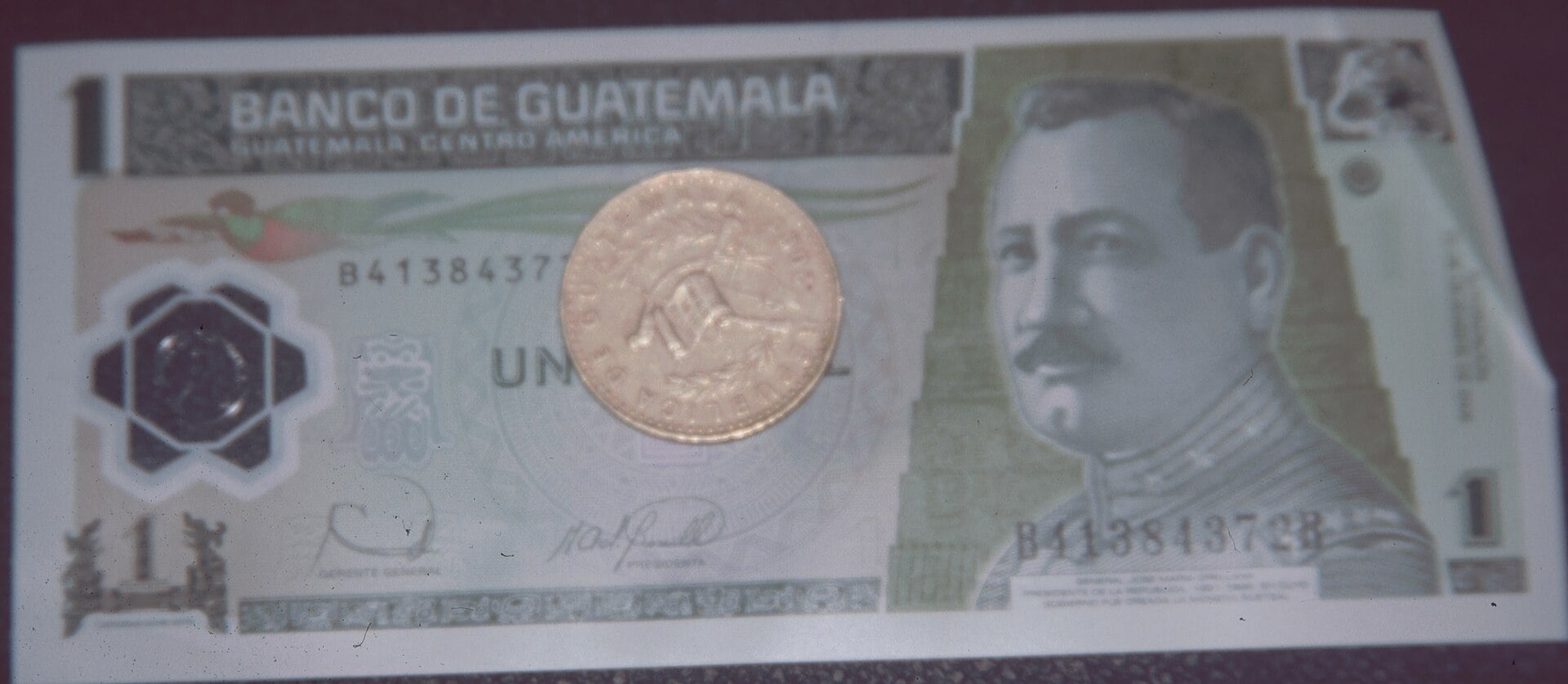
Economy
Key Facts
—The haul. Guatemala received $12,219m (about Q93bn) in family remittances in the first half of 2026, up $851m on a year earlier.
—The decade. Remittances to Guatemala grew 319% between 2015 and April 2026, the fastest of six large Latin American recipients.
—The contrast. Mexico’s annual flow now sits below the peak it reached in 2024, the weakest performer of the six.
—The catch. Growth of 7% compares with 18.1% in the same period last year, and the central bank forecasts 5% this year and 3% next.
—The weight. Remittances equalled 20.7% of national output in 2025 and reach 1.7 million households.
—The cash. Eight in ten receiving households collect the money in physical cash rather than into an account.
Guatemala remittances passed twelve billion dollars in the first half of this year, a record. Yet the growth rate behind that record is the slowest in a decade.
The central bank counted twelve billion two hundred and nineteen million dollars between January and June. That was eight hundred and fifty-one million more than a year earlier, a rise of about seven percent.
In the same six months of last year the increase was eighteen point one percent. The bank now expects five percent for the full year and three percent in 2027.
Why Guatemala remittances outran the region
The Latin American Monetary Studies Centre, a research body based in Mexico City, has been tracking six large recipients. They are Mexico, Guatemala, Colombia, Honduras, the Dominican Republic and El Salvador.
Between 2015 and April of this year, remittances to Guatemala grew three hundred and nineteen percent. As the Guatemalan daily Prensa Libre reports, that beats Honduras on two hundred and forty-one percent and Colombia on a hundred and sixty-nine.
Mexico grew a hundred and forty-eight percent over the same stretch. The Dominican Republic grew a hundred and forty-two and El Salvador a hundred and thirty-nine, so Guatemala leads all six.
The explanation is unromantic. Between 2015 and 2024 the number of Guatemalans, Hondurans and Colombians living in the United States rose by roughly one million two hundred and eighty-seven thousand people.
More migrants means more senders. The count of Guatemalans recorded by the American Community Survey rose from about nine hundred and twenty-eight thousand to more than one million three hundred and sixty-five thousand.
The country going the other way
Jesús Cervantes González, who coordinates the centre’s remittances forum, singled out Mexico as the weakest of the six. Its annual flow to April was approximately sixty-two billion dollars.
That is below the peak it reached in 2024, when the figure was sixty-four point seven billion dollars. On our own arithmetic Mexico now sits about three and a half percent under its own high-water mark.
The number of individual transfers has fallen too, which Cervantes treats as a sign of how many Mexicans are still sending. He is direct about what he thinks lies behind it.
American labour figures for 2025 and early 2026 show the working-age Mexican immigrant population shrinking, he says. That covers its employed, its unemployed and those outside the workforce, which he reads as significant return migration, both voluntary and involuntary.
A forecast that has not come true
Late last year Fitch Solutions projected a cumulative fall of about twelve percent in remittances to Guatemala, El Salvador, Honduras and Nicaragua across 2025 and 2026 together. Guatemala’s flows have instead risen in both years.
The slowdown is real all the same, and Guatemala’s own central bank is forecasting it. Growth of eighteen point seven percent in 2025 becomes five percent this year on the official projection.
March was the strongest month on record at more than two thousand four hundred million dollars. Only January and February fell below two billion.
What the money actually does
Remittances equalled twenty point seven percent of Guatemalan output last year. That share makes them the country’s economic weather rather than a line in its accounts, and they reach one point seven million households.
Roughly seven million people feel the effect directly, most of them in the poorer parts of the country. The central bank reckons three-fifths of the money goes on consumption and three-tenths on building or improving a home.
Most of it leaves the banking system at once. A national survey published in June found that eight of every ten receiving households take their remittance out in cash.
Nine in ten households pay for everyday purchases in cash as well. For anyone selling financial services in Guatemala, that is either a warning or an opportunity, depending on the pitch.
Why do Guatemala remittances matter to an investor?
Because at more than a fifth of output they are a leading source of foreign currency and the main support for household consumption. A sustained fall would move the exchange rate, the banks and the retailers together.
Is the flow slowing because of American immigration policy?
No source in the central bank’s data or the monetary centre’s analysis blames Guatemala’s slowdown on any single cause. Cervantes does link Mexico’s decline to return migration, but he says that about Mexico.
What should be watched next?
The second half, when flows normally rise ahead of the year’s end. If growth misses the official five percent, the 2027 forecast of three percent starts to look generous.
More: Latin America news in English, every day from The Rio Times.
Frequently Asked Questions
How much did Guatemala receive in remittances in the first half of 2026, and how does that compare to the previous year?
Guatemala received $12,219 million (about Q93 billion) in family remittances in the first half of 2026, a record half-year figure. This was an increase of $851 million, or about 7%, on the same period a year earlier.
How fast have remittances to Guatemala grown over the past decade compared to other Latin American countries?
Remittances to Guatemala grew 319% between 2015 and April 2026, the fastest among six large Latin American countries studied. By contrast, Mexico was the weakest performer, its annual flow now sitting below the peak it reached in 2024.
How significant are remittances to Guatemala's economy and how do households typically receive the money?
Remittances equalled 20.7% of Guatemala's national output in 2025 and reach 1.7 million households across the country. Eight in ten of those households collect the money in physical cash rather than into a bank account.
Connected Coverage
Record Remittances Show How Migrants Now Prop Up Whole Economies
This article was produced by The Rio Times’ automated newsroom system. How we use AI · Report an error · Editorial responsibility: Matthias Camenzind, Editor-in-Chief
In depth
LatAm Markets: Live Signals → — real-time movers, turnover leaders and FX across Latin America.