MEXICO · RELIGION
Key Facts
- —The country Mexico, the United States’ southern neighbour, had 126 million people at its 2020 census and is culturally Catholic but constitutionally secular.
- —Main faiths 77.7% Catholic, 11.2% Protestant or evangelical, 8.1% no religion, 2.5% believers without a church and 0.2% other faiths (INEGI, 2020 census).
- —Church and state The constitution defines Mexico as a secular republic; ministers of any faith may vote but may not run for office or hold public posts.
- —Registered churches 9,960 religious associations were registered with the Interior Ministry by 15 December 2023, all but 49 of them Christian (US State Department, 2023 report).
- —Biggest feast Close to 13 million visitors reached the Basilica of Guadalupe in Mexico City by 12 December 2025, according to the city government.
- —Catholic leadership Ramón Castro Castro, Bishop of Cuernavaca, presides over the Mexican bishops’ conference for 2024-2027 and was still in post in October 2026.
- —Still open How far the Catholic share has moved since the 2020 census, and who killed most of the priests murdered in recent years.
Religion in Mexico, where the 2020 census counted about 98 million Catholics, shapes the festivals, politics and street life US visitors meet. Yet the state is strictly secular, evangelical churches are growing, and about one Mexican in 12 reported no religion in 2020.

The Main Faiths in Numbers
The official picture of religion in Mexico comes from INEGI, the national statistics institute, and its 2020 census of 126,014,024 people. The census asked about faith, and the answers describe a Catholic country that is slowly becoming more diverse.
These are the national shares from the 2020 census, with rounded head counts:
- Catholic: 77.7% of the population, or about 98 million people.
- Protestant or evangelical Christian: 11.2%, or about 14 million people.
- No religion: 8.1%, or about 10 million people.
- Believers with no religious affiliation: 2.5%.
- Other religions: 0.2%.
A Catholic Majority That Is Shrinking
Census figures cited in the US State Department’s 2023 religious freedom report put the Catholic share at about 83% in 2010. About 5% of Mexicans then said they had no religion.
In one decade, then, the Catholic share fell by about five points and the non-religious share rose by about three.
Protestant and evangelical churches form the largest minority religion in Mexico, with about 14 million followers in 2020. In the southern state of Chiapas, evangelical leaders estimate that nearly half of residents belong to evangelical and other Christian groups.
Fewer than 20% of census respondents in Chiapas, however, called themselves evangelical, according to the State Department report.
The 2020 census counted about 58,800 Jews and 7,982 Muslims, according to the State Department. Two-thirds of the Jewish community lives in Mexico City and the State of Mexico.
An estimated 100,000 Mennonites live in Mexico, around half of them in the northern state of Chihuahua, according to the same report.
For the wider ethnic and regional picture behind these numbers, see Mexico Population and Ethnic Groups Explained.
The Virgin of Guadalupe and the Catholic Church
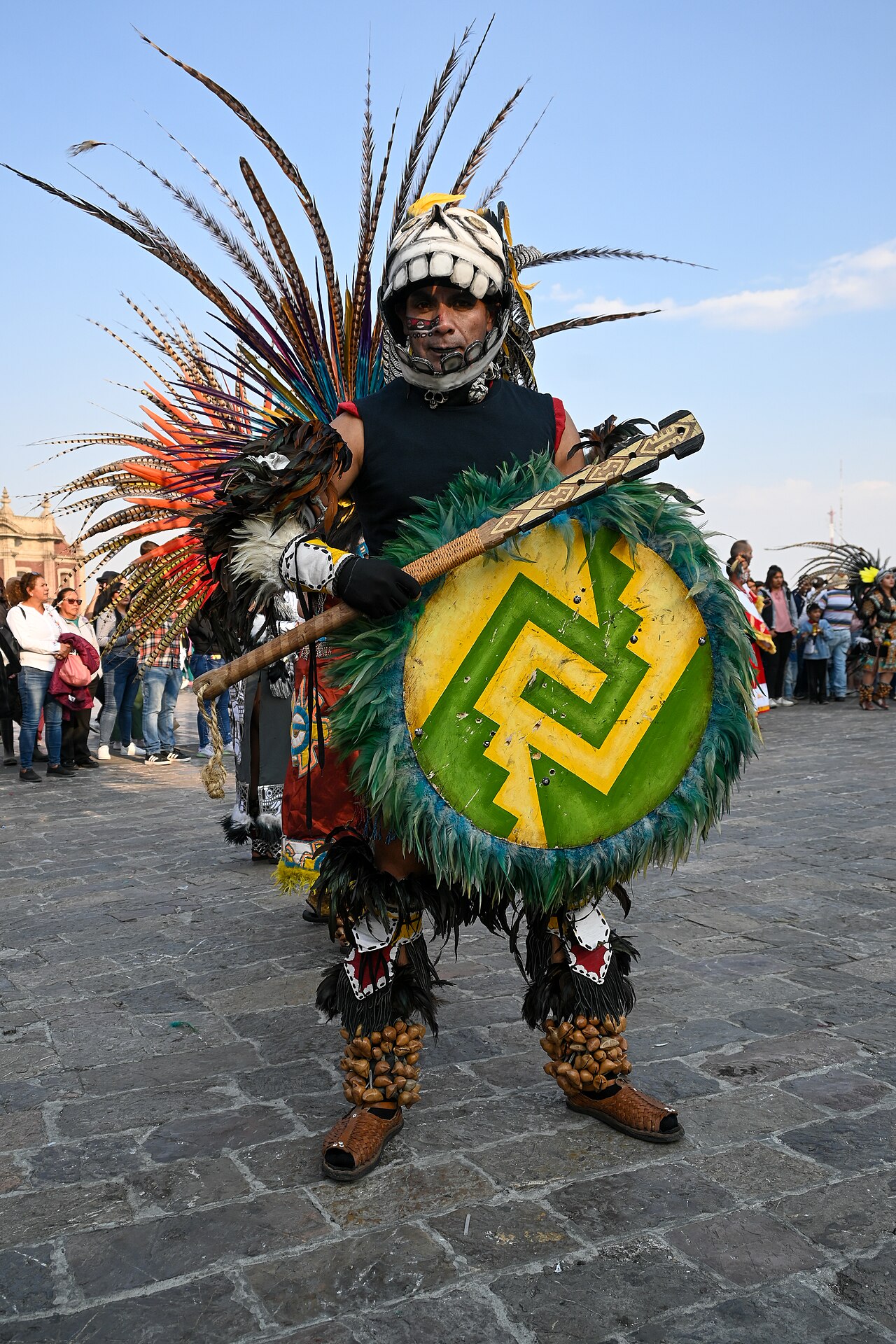
Mexican Catholicism has one national symbol above all: the Virgin of Guadalupe. According to the Basilica of Guadalupe, she appeared to an Indigenous man named Juan Diego on Tepeyac hill in December 1531.
Her shrine in Mexico City is the heart of Mexican devotion, and her feast falls on 12 December. By 12 December 2025, the city government had counted close to 13 million visitors, reported Desde la Fe, the archdiocese’s magazine.
The Catholic hierarchy speaks through the Conferencia del Episcopado Mexicano (CEM), the national assembly of Catholic bishops. Its leaders serve three-year terms and are elected by the bishops in a plenary assembly.
The CEM president for 2024-2027 is Ramón Castro Castro, Bishop of Cuernavaca, elected in November 2024, according to ACI Prensa. In October 2026 he gave Pope Leo XIV a book of over 200 pages on Mexico’s missing people, ACI Prensa reported.
The book, titled Un nombre, mil voces (One Name, a Thousand Voices), carries names and photographs of people who have disappeared. It grew out of a campaign by the Church’s National Peace Dialogue and is also to be taken to the United Nations.
A Secular State Born From Conflict
Mexico’s secular rules grew out of a long struggle between governments and the Catholic Church. One of its most violent chapters was the Cristero War of 1926 to 1929, according to Memórica, a federal government history archive.
The trigger was the Calles Law of 14 June 1926, named after President Plutarco Elías Calles. It set penalties for breaking the constitution’s religious rules.
The bishops answered with a pastoral letter on 25 July 1926 that suspended all public worship. Catholic rebels, known as Cristeros, then took up arms, mainly in Jalisco, Michoacán, Colima, Zacatecas and Guanajuato.
The war ended with the arreglos, or agreements, of 21 June 1929. The Vatican and the US ambassador, Dwight Morrow, acted as mediators.
Historians still debate the death toll, which some put at 70,000 to 90,000 and others higher. The war also set off a wave of migration to the United States, according to Memórica.
The government left its anticlerical laws unchanged. Mexico History Explained sets out the longer national story.
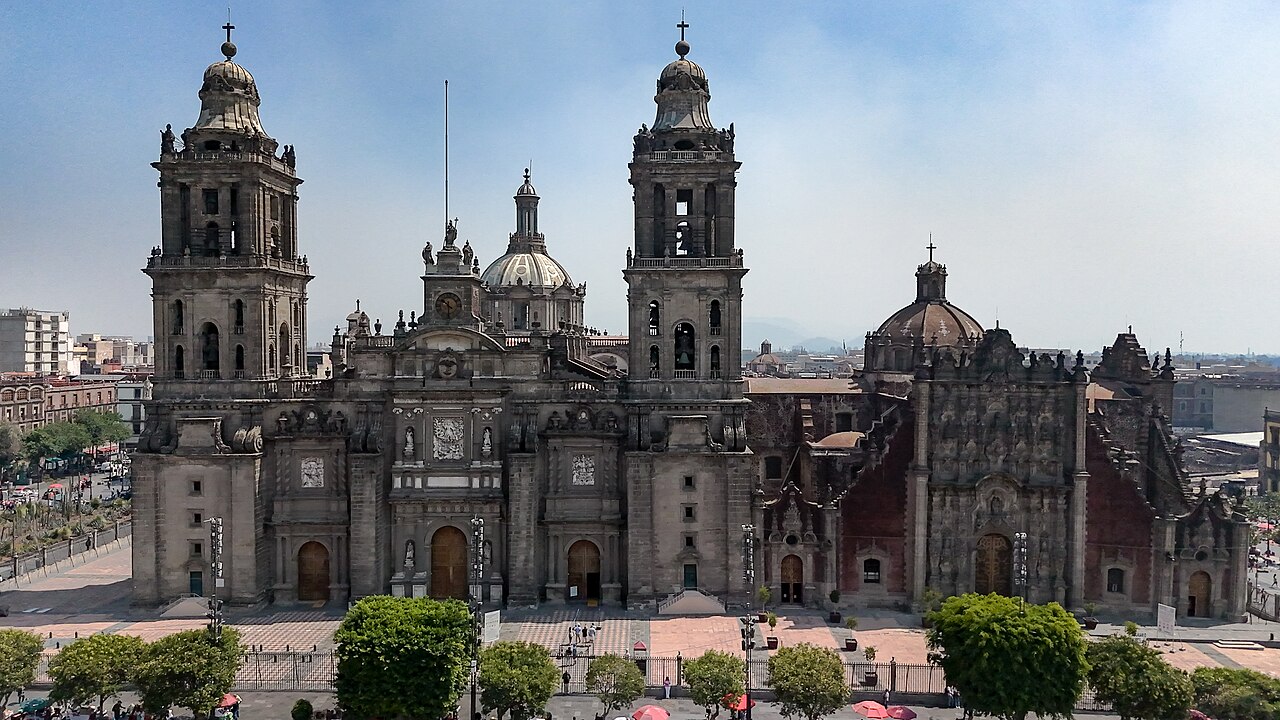
Formal recognition came only in 1992. A constitutional reform published on 28 January 1992 rewrote Articles 24 and 130 and gave churches legal status.
Diplomatic relations with the Holy See, the Church’s central government, followed that year, according to Mexico’s embassy there. The Religious Associations and Public Worship Law was published on 15 July 1992.
Article 40 of the constitution now defines Mexico as a laica, or secular, republic. Article 24 adds that Congress may not pass laws that establish or ban any religion.
The Political Weight of the Churches
On paper, churches have little formal power. Under Article 130, ministers of any faith may vote, but they may not stand for election or hold public office.
They may not campaign for or against any candidate or party, and no political group may use a religious name. Political meetings inside places of worship are banned.
The 1992 law adds that a minister must leave the ministry five years before running for elected office. Churches and clergy may not own radio or television stations or other mass media, except religious print publications.
Every church that wants legal status must register with the Interior Ministry (Secretaría de Gobernación, SEGOB) as a religious association. To qualify, a group needs five years of religious activity in Mexico, a settled following and a domicile there.
By 15 December 2023, SEGOB’s General Directorate for Religious Affairs listed 9,960 registered associations, according to the State Department. They included 9,911 Christian, 15 Buddhist, 10 Jewish, five Islamic and two Hindu groups.
In practice, the Catholic bishops remain a strong public voice. The CEM launched a National Peace Dialogue after two Jesuit priests were killed in Chihuahua in June 2022.
At the dialogue’s meeting in Puebla in September 2023, bishops, civic groups and political bodies signed a peace accord.
Castro defended that public role in a Sunday homily on 4 October 2026. “We cannot remain silent,” he said, answering critics who tell bishops to stay out of politics, ACI Prensa reported.
He also cited threats against Juan Espinoza Jiménez, Bishop of Aguascalientes, who criticised government actions in a 27 September homily.
For the people who hold elected power, see Mexico Politics Explained.
Violence Against Priests
Clergy work in the same insecure environment as other Mexicans, and some pay with their lives. The Centro Católico Multimedial (CCM), a Catholic media and research centre, tracks attacks on priests each year.
Its 2025 report, presented in January 2026, counted 13 priests killed in seven years, most in the southern state of Guerrero. Ten died under former president Andrés Manuel López Obrador (2018-2024) and three under the current government.
More than 80% of the cases it documented remain unsolved, UnoTV reported in January 2026. Between October 2022 and October 2023, the CCM logged 800 cases of extortion and threats against priests, the State Department reports.
In September 2026, Father Román de la Cruz Hernández, 48, a parish priest in Huejutla, was found dead on a Hidalgo road. Hidalgo’s state prosecutor opened a murder inquiry, and no arrests had been reported by 17 September, Infobae reported.
Officials and Church leaders have called such attacks part of Mexico’s wider violence, not attacks on faith, the State Department reports. For the wider crime picture, see Mexico Security and Crime Explained.
Festivals That Fill the Calendar
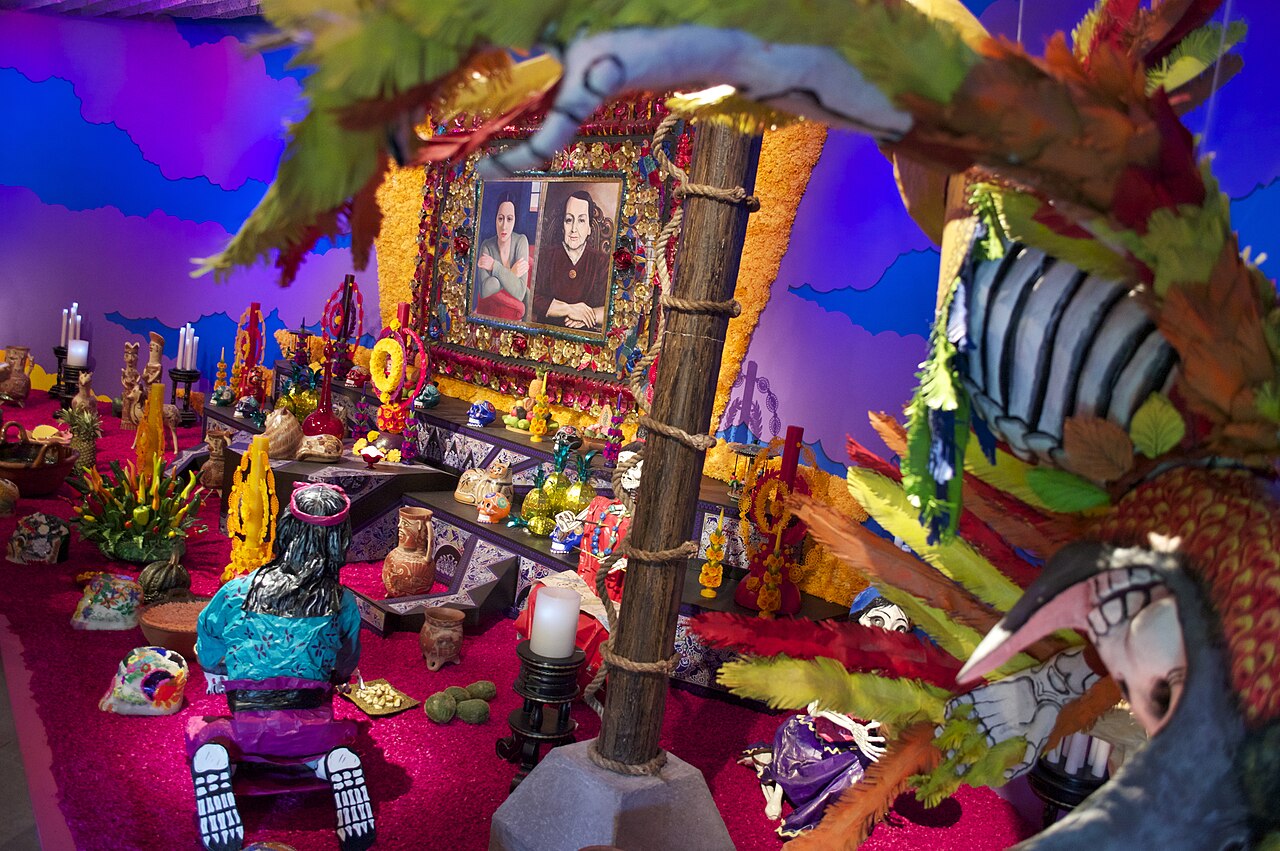
Two feasts dominate the religious year. The Day of the Dead, in late October and early November, honours dead relatives at home and in cemeteries.
Families lay flower petals, candles and offerings, and place the dead person’s favourite dishes around home shrines and graves, according to UNESCO. UNESCO inscribed this Indigenous festivity dedicated to the dead on its intangible heritage list in 2008, after first proclaiming it in 2003.
In many Indigenous communities, the festival also marks the end of the yearly maize cycle. Dates and travel advice are in When Is Day of the Dead 2026?.
The second great feast is the Virgin of Guadalupe on 12 December, when Mexico City fills with pilgrims and traditional dancers. A separate guide explains Virgin of Guadalupe Day in Mexico City.
Street processions count as worship outside a church, which the constitution treats as an exception. Religious associations must notify the authorities before holding such acts, according to the State Department.
How Faith Shapes Daily Life
Religion in Mexico lives as much at home as in church, from Day of the Dead altars to the December pilgrimage. Yet the law draws a firm line around public life.
Under Article 130, births, marriages and deaths are matters for civil authorities alone. In practice, only a civil ceremony makes a marriage legal, whatever the church service.
Public schools must be secular under Article 3, which keeps state education entirely apart from any religious doctrine. Article 24 also bars anyone from using public acts of worship for political propaganda.
Some Indigenous people blend Catholicism with older beliefs, and local custom can clash with religious freedom, according to the State Department. Its 2023 report describes a Presbyterian detained in Simojovel, Chiapas, for reading the Bible at a relative’s home.
What It Means for US Readers
Religion in Mexico sets the rhythm of the busiest travel dates. Expect very large crowds around the Basilica of Guadalupe before 12 December, when close to 13 million visitors came in 2025.
Cemeteries and home altars at the Day of the Dead are family rituals, so ask before taking photographs. Couples planning a destination wedding should note that only the civil ceremony makes a marriage legal in Mexico.
The link also runs north. The US Census Bureau counted 68 million Hispanic residents in July 2024, a fifth of the US population and its largest minority.
There is a US link at the top of the Church too. Pope Leo XIV, born Robert Francis Prevost in Chicago, has led it since May 2025, according to the Vatican.
In August 2026, Castro hosted leaders of the US and Canadian bishops’ conferences in Cuernavaca. Migration was a main topic, the Catholic magazine Vida Nueva reported.
The US government follows the issue closely. The State Department’s annual religious freedom report tracks attacks on clergy and minority churches in Mexico.
US diplomats also meet regularly with the Mexican officials in charge of religious affairs, the 2023 report says.
For investors, the secular rules matter most: churches cannot own broadcasters, and clergy cannot run for office. More Mexico coverage is on the Rio Times Mexico page.
What Is Not Known
The census figures in this guide date from 2020, so how far the Catholic share has moved since then is unclear. Church estimates and census answers can differ widely, as the Chiapas figures show.
The true size of some churches is disputed: the 2020 census counted 190,000 followers of La Luz del Mundo. Media reports cited by the State Department put its following at 1.5 million.
Who killed many of the priests murdered in recent years is unknown: the CCM counts over 80% of cases as unsolved. By mid-September 2026, officials had not linked the killing in Hidalgo to extortion warnings the Diocese of Huejutla issued in August.
Frequently Asked Questions
What is the main religion in Mexico?
Catholicism is the main religion in Mexico. In the 2020 census, 77.7% of Mexicans said they were Catholic, about 98 million people, according to INEGI.
Is Mexico a secular country?
Yes. Article 40 of the constitution defines Mexico as a secular republic, and Article 130 is built on the separation of the state and the churches.
Can priests run for office in Mexico?
Not while they serve. Ministers of any faith may vote, but they can stand for election only if they leave the ministry at least five years before the vote.
How big are evangelical churches in Mexico?
Protestant and evangelical Christians made up 11.2% of the population in the 2020 census, about 14 million people, the largest minority religion in Mexico.
When is the Virgin of Guadalupe feast?
The feast is on 12 December. Close to 13 million visitors reached the Basilica of Guadalupe in Mexico City by 12 December 2025, according to the city government.
Is the Day of the Dead a religious festival?
Partly. UNESCO describes it as a fusion of pre-Hispanic religious rites and Catholic feasts, held at the end of October and the start of November. Families build home altars and bring offerings to graves.
Who leads the Catholic Church in Mexico?
No single figure does. The bishops act together through the Mexican bishops’ conference (CEM), led for 2024-2027 by Ramón Castro Castro, Bishop of Cuernavaca. Chicago-born Pope Leo XIV heads the worldwide Church, as of October 2026.
Sources: INEGI, Censo de Población y Vivienda 2020, comunicado 24/21, 2021-01-25; Constitución Política de los Estados Unidos Mexicanos (Cámara de Diputados), 2026-10-07; Ley de Asociaciones Religiosas y Culto Público (Cámara de Diputados), 2025-11-14; US State Department, 2023 Report on International Religious Freedom: Mexico, 2024; UNESCO, Indigenous festivity dedicated to the dead, 2008; Embajada de México ante la Santa Sede, Relaciones diplomáticas, 2026-10-10; Memórica México, La Guerra Cristera, 2026-10-10; Basílica de Guadalupe, San Juan Diego, 2026-10-10; Desde la Fe (Arquidiócesis de México), Basílica de Guadalupe 13 millones, 2025-12-12; Conferencia del Episcopado Mexicano, Acerca del CEM, 2026-10-10; ACI Prensa, CEM elige nuevas autoridades, 2024-11-12; ACI Prensa, Obispos entregan a León XIV libro sobre desaparecidos, 2026-10-09; UnoTV, informe del Centro Católico Multimedial 2025, 2026-01-27; Infobae, asesinato del padre Román de la Cruz, 2026-09-17; US Census Bureau, Hispanic Heritage Month 2025, 2025; Holy See, Pope Leo XIV, 2026-10-10; ACI Prensa, No podemos quedarnos callados (Mons. Ramón Castro), 2026-10-07; Vida Nueva, Obispo Castro y episcopados de Canadá y Estados Unidos, 2026-08-31.
This article was produced by The Rio Times’ automated newsroom system. How we use AI · Report an error · Editorial responsibility: Matthias Camenzind, Editor-in-Chief
Rotate for Best Experience
This report is optimized for landscape viewing. Rotate your phone for the full experience.
You've reached your free article limit
Subscribe to The Rio Times for unlimited access to our news, expat and nomad guides and market intelligence on Latin America and Africa.