Mexico City Residence Cards Now Take 4 to 6 Weeks: What Expats Should Know About INM Delays
Key Facts
- The delay. Residence card processing at INM Mexico City currently takes 4–6 weeks, up from the usual 1–2.
- Appointments. INM appointments in the capital are booked out more than a month ahead.
- The risk. Processing can overrun the 30-day window you have after entering on a resident visa.
- Who is affected. New arrivals doing the Canje registration and expats renewing existing residence cards.
- The advice. Book the earliest available appointment immediately on arrival — do not wait for housing to settle first.
Mexico City residence card delays have stretched processing to 4–6 weeks: the INM’s post-arrival registration (Canje) and card issuance in the capital now run far beyond the old 1–2 week norm, with appointments booked out for over a month.
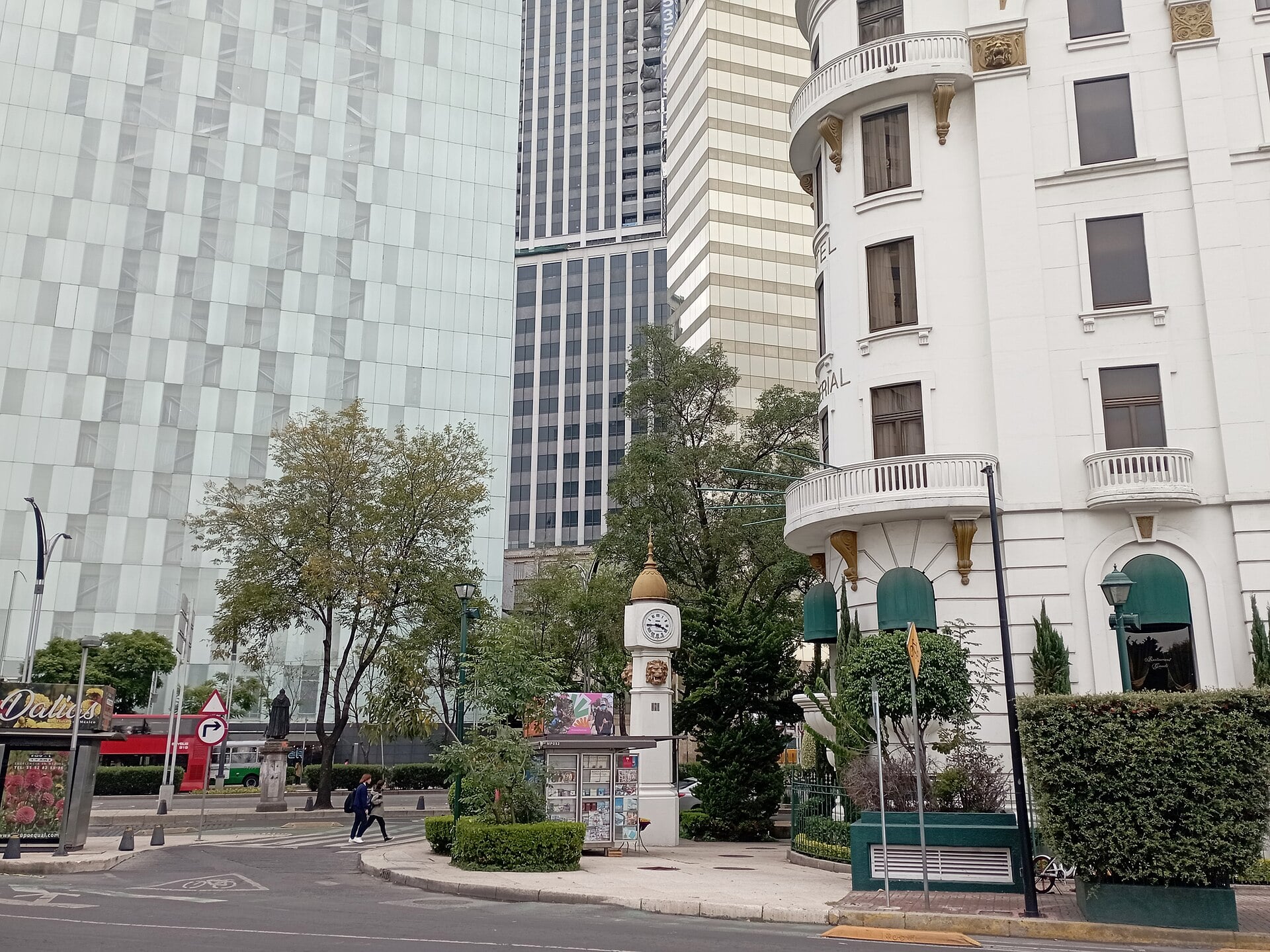
For newly arrived expats in Mexico City, the bureaucratic math has changed: what used to be a two-week formality is now a six-week project — plan accordingly.
From Two Weeks to Six
The Canje — the in-country step that converts your consulate-issued resident visa into an actual residence card — has slowed sharply at the Instituto Nacional de Migración’s Mexico City office.
Relocation trackers and immigration practitioners report processing times of four to six weeks where one to two was the working assumption, with the appointment calendar itself booked out more than a month ahead.
What the Canje Is
Every temporary and permanent resident who enters Mexico on a resident visa must complete the Canje within 30 days of arrival: register with INM, give fingerprints and photos, and receive the residence card that proves your status.
The card is the document daily life runs on — banks, phone contracts, apartment leases and re-entry after travel all ask for it — which is why a slow Canje freezes more than your paperwork.
The 30-Day Squeeze
The crunch is arithmetic: if appointments sit a month out and processing runs six weeks, the total timeline can exceed the 30-day post-entry window the rules give you to complete the process.
Practitioners’ standard advice is to treat the appointment booking as day-one business — secure whatever slot exists, then prepare documents while you wait, keeping proof of your timely filing.
Renewals Are Caught Too
The slowdown is not limited to new arrivals: expats renewing temporary residence or stepping up to permanent status face the same appointment scarcity and processing lag at the capital’s offices.
If your card expires within the quarter, start the renewal now — the old habit of booking two weeks out no longer survives contact with the current calendar.
Why INM Is Behind
Mexico’s migration institute has been carrying rising application volumes on constrained staffing for years, and the capital’s offices absorb the country’s largest expat concentration on top of asylum and regularization caseloads.
Periodic surges — often after policy or fee changes — push the appointment system into backlog; the current stretch is one of the longest the CDMX expat community has tracked.
What Expats Should Do Now
Book first, optimize later: take the earliest INM slot you can get, even if the date is imperfect — in-person rebooking at the office is sometimes faster than waiting for online availability.
Keep every receipt and filing confirmation, carry your passport with the entry stamp while the process runs, and if travel looms during processing, ask INM about the exit-and-reentry letter (carta salida y regreso) before you book flights.
Documents That Speed the Canje
Arrive at the appointment over-prepared: passport, the visa page from the consulate, your FMM entry record, proof of address in CDMX, and the completed format INM publishes for the tramite — practitioners report incomplete files as the top cause of repeat visits.
Photocopies matter more than people expect: the offices want paper sets, and the copy shops near the INM buildings know exactly what package you need if you arrive one sheet short.
The Broader Backdrop
Mexico remains one of Latin America’s most accessible residence systems for remote workers and retirees — the delays are administrative, not a policy shift against applicants.
The contrast worth noting: while Brazil just moved its temporary visas fully online, Mexico’s process still runs on in-person counters — which is precisely why the backlog lands on expats’ calendars.
Frequently Asked Questions
How long does a Mexico City residence card take right now?
Currently 4–6 weeks at INM’s Mexico City office, up from the usual 1–2 weeks, with appointments booked out over a month.
What is the Canje in Mexico?
The post-arrival registration that converts your consulate-issued resident visa into a residence card — it must be started within 30 days of entering Mexico.
What happens if INM processing exceeds my 30-day window?
Keep proof that you filed on time; practitioners advise booking the earliest available appointment immediately and documenting every step.
Do the INM delays affect renewals too?
Yes — renewals of temporary residence and upgrades to permanent residence face the same appointment scarcity and processing times in Mexico City.
Connected Coverage
Settling in CDMX? Read our expat guides to banking, housing and neighborhoods across Mexico.
Sources: Visasupdate, MyDeztination (consulted September 12, 2026).
This article was produced by The Rio Times’ automated newsroom system. How we use AI · Report an error
Read More from The Rio Times
- Pitchfork Music Festival CDMX 2026: Full Lineup, Venues and Tickets for September 23–27 in Mexico City
- BTS ‘Arirang’ Live in Brazilian Cinemas: São Paulo Stadium Show Hits the Big Screen on October 30, Tickets September 17
- Marcelo Falcão Brings His ‘O Legado’ Tour to São Paulo and Curitiba, Brazil on September 18–19