
Published Thursday 29 October 2026, 8:00 a.m. ET · Source: statements by President Claudia Sheinbaum and former President Andrés Manuel López Obrador, Mexican public record
Cuauhtémoc Cárdenas, a leading figure in Mexico’s move from one-party rule to competitive democracy, has died at 92. His 1997 election as head of Mexico City’s government, won for the left-wing PRD he founded, was a turning point.
Key Facts
- Who. Cuauhtémoc Cárdenas, founder of the left-wing PRD party and Mexico City’s first elected leader, died aged 92.
- What. President Claudia Sheinbaum and former President Andrés Manuel López Obrador paid tribute to him.
- When. He died on the evening of Wednesday 28 October 2026; a funeral service was set for Thursday morning in Mexico City.
- What next. The cause of death has not been disclosed, and no further official details have been given.
What We Know
Mexico lost one of its most persistent champions of free elections on Wednesday evening. Cuauhtémoc Cárdenas Solórzano died on 28 October 2026 in Mexico, at the age of 92.
The United States has a direct stake in what happens next door, because Mexico is one of its largest trading partners. Cárdenas was one of the architects of the democratic system that now decides who governs that neighbour.
President Claudia Sheinbaum, leader of the governing Morena (National Regeneration Movement) party, paid tribute to him as “a man of firm principles who transformed the political life of our country.” Former President Andrés Manuel López Obrador also mourned him publicly.
“A man of firm principles who transformed the political life of our country.”
President Claudia Sheinbaum
López Obrador called Cárdenas a precursor of the democratic movement in Mexico’s recent history. Morena senator Gerardo Fernández Noroña and Alejandro Moreno, leader of the opposition PRI (Institutional Revolutionary Party), also sent condolences.
His body was taken to the Panteón Francés, a cemetery in Mexico City, late on Wednesday. A funeral service was scheduled there for 10:00 a.m. local time on Thursday.
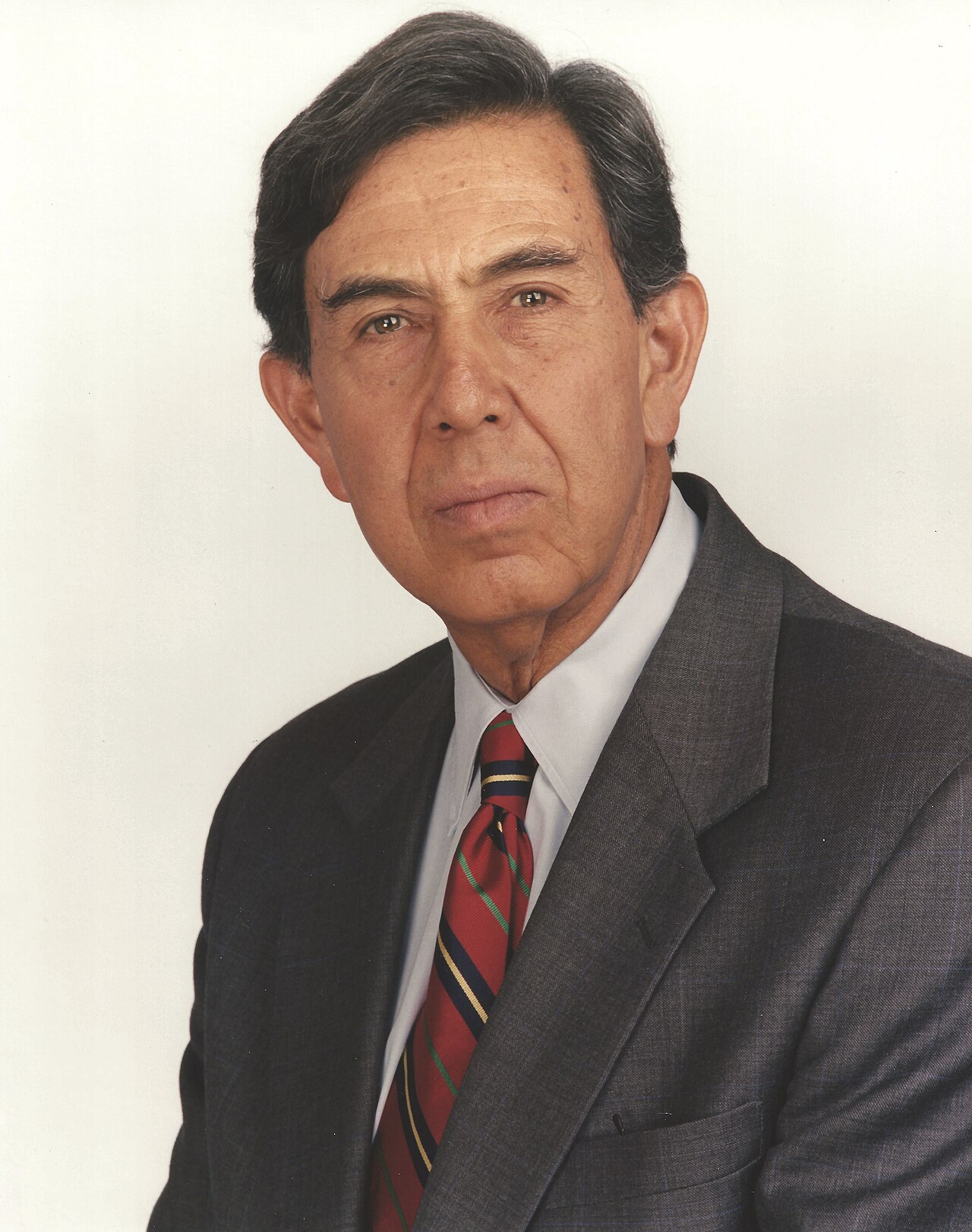
Who He Was
Cárdenas was born on 1 May 1934, the son of Lázaro Cárdenas, who was president from 1934 to 1940. Lázaro Cárdenas nationalised Mexico’s oil industry in 1938, a move still taught as a founding moment of modern Mexico.
The son built his own career inside the ruling party before breaking with it. He then spent three decades as the most recognisable face of the opposition left.
- 1976 to 1980: Senator for Michoacán, a state in western Mexico.
- 1980 to 1986: Governor of Michoacán.
- 1987: leaves the PRI with allies and forms the Democratic Current, a reform faction.
- 1988, 1994 and 2000: runs for president.
- May 1989: founds the PRD and serves as its first national president until 1993.
- 1997 to 1999: first elected head of government of Mexico City.
In Plain English
PRI. The Institutional Revolutionary Party, which held Mexico’s presidency for 71 years until 2000.
PRD. The Party of the Democratic Revolution, the left-wing party Cárdenas founded in 1989.
Morena. The National Regeneration Movement, the governing party led today by Sheinbaum.
The 1997 vote mattered because it was the first time residents chose their city’s leader directly. It showed that the opposition could win a major office through the ballot box.
On 6 July 1997 he won the first direct election for Mexico City’s head of government. He took office on 5 December 1997 and served until 28 September 1999, when Rosario Robles succeeded him.
The 1988 Election That Changed Mexico
Cárdenas ran for president in 1988 for the National Democratic Front, an alliance of left-wing groups. He faced Carlos Salinas, the candidate of the ruling PRI.
On election night the official count stalled, and officials blamed a computer-system failure. Salinas was declared the winner, and many Mexicans questioned the result.
In her tribute, Sheinbaum said Cárdenas should have been recognised as president in 1988. The dispute never went away, and it fuelled the push for cleaner elections that followed.
The PRD grew out of that movement in 1989. Within eight years its founder was running the capital.
What Is Not Known
The cause of death has not been disclosed. We will report it if the family or the authorities confirm it.
The authorities have not announced any period of national mourning. We will report official details when they are published.
What It Means for US Readers
The democratic opening Cárdenas helped drive led to the end of the PRI’s 71-year hold on the presidency in 2000. That change is part of why Mexico’s elections are now closely contested and widely watched.
The party he founded, the PRD, was later led by López Obrador, who became president in 2018. Sheinbaum’s Morena now governs, and Washington deals with its leaders on trade, migration and security.
Readers following Mexican politics will hear his name in tributes over the coming days. It is a useful reminder that the country’s present system was built partly by people who once stood outside it.
His death alone is not expected to change any policy. It does mark the passing of a generation that built Mexico’s multiparty system, as followed in Rio Times Mexico coverage.
Frequently Asked Questions
Who was Cuauhtémoc Cárdenas?
He was a Mexican politician, born in 1934, who founded the left-wing PRD party in 1989. He was governor of Michoacán, ran for president three times and became Mexico City’s first elected head of government in 1997.
How did he die?
The cause of death has not been disclosed. He died on the evening of Wednesday 28 October 2026 at the age of 92.
Why did he matter to Mexican democracy?
He led the 1988 challenge to the PRI, whose result many Mexicans still dispute. He then founded the PRD and won Mexico City’s first direct election in 1997, helping open the way to the end of one-party rule.
Sources
Statements by President Claudia Sheinbaum and former President Andrés Manuel López Obrador, 28 to 29 October 2026; Mexico City government and Mexican electoral records on the 1997 election; Mexican Senate and Michoacán state records on his offices.
This article was produced by The Rio Times’ automated newsroom system. How we use AI · Report an error · Editorial responsibility: Matthias Camenzind, Editor-in-Chief