
LIBERIA · COUNTRY GUIDE
Key Facts
- —What it is A small English-speaking republic on West Africa’s Atlantic coast, bordered by Sierra Leone, Guinea and Côte d’Ivoire.
- —Why it matters Liberia combines mining wealth, a strategic Atlantic position and one of Africa’s oldest republican traditions, yet it remains capacity-constrained after civil war.
- —The numbers The 2022 census recorded a true population of 5,364,699; real GDP grew 5.1% in 2025, according to the Central Bank of Liberia.
- —The catch A dual-currency system, uneven infrastructure and heavy dependence on iron ore make planning essential for newcomers and investors.
- —What it means for you Expect a warm, socially connected society where practical life requires backup power, patience with logistics and careful currency management.
Liberia explained is a practical introduction to a West African republic of 5.36 million people where mining drives growth, two currencies circulate daily and Monrovia dominates national life.
For a foreigner, Liberia can feel familiar and unfamiliar at once: English is the official language and the US dollar is widely accepted, yet infrastructure gaps and a small formal economy shape everyday decisions. This guide explains the country’s geography, people, politics, economy and daily life as of September 2026.
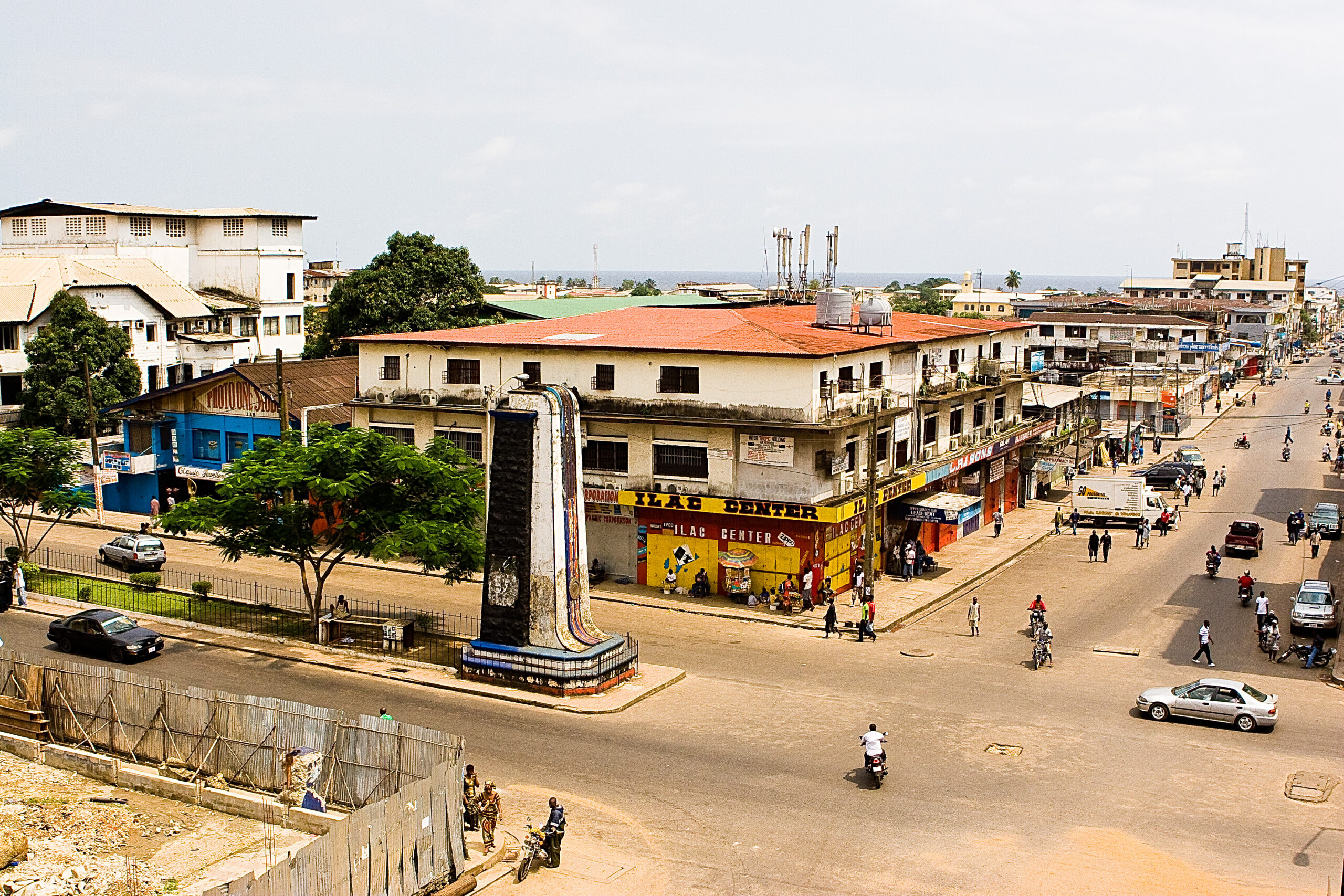
Where Liberia sits and what the land looks like
Liberia occupies roughly 111,000 square kilometres along the Upper Guinea Coast of West Africa. Sierra Leone lies to the northwest, Guinea to the north and Côte d’Ivoire to the east. The Atlantic Ocean forms the southern and western boundary.
Monrovia, the capital, sits on a peninsula and functions as the political, commercial and demographic centre. The coast includes beaches, lagoons, estuaries and mangrove areas. Moving inland, the terrain rises through rolling plateaus toward forested borderlands shared ecologically with Guinea and Côte d’Ivoire.
The climate is tropical, with a pronounced wet season and a drier season. Heavy rain can disrupt transport, construction and electricity access. Coastal erosion and flooding affect parts of Monrovia and other low-lying communities, a concern for anyone choosing where to live or build.
Liberia’s major natural assets include iron ore, gold, diamonds, rubber, timber, fertile agricultural land and substantial rainfall. These resources shape the economy, but their benefits are unevenly distributed across the country’s 15 counties. Montserrado County, home to Monrovia, is by far the most urbanised and economically concentrated area.
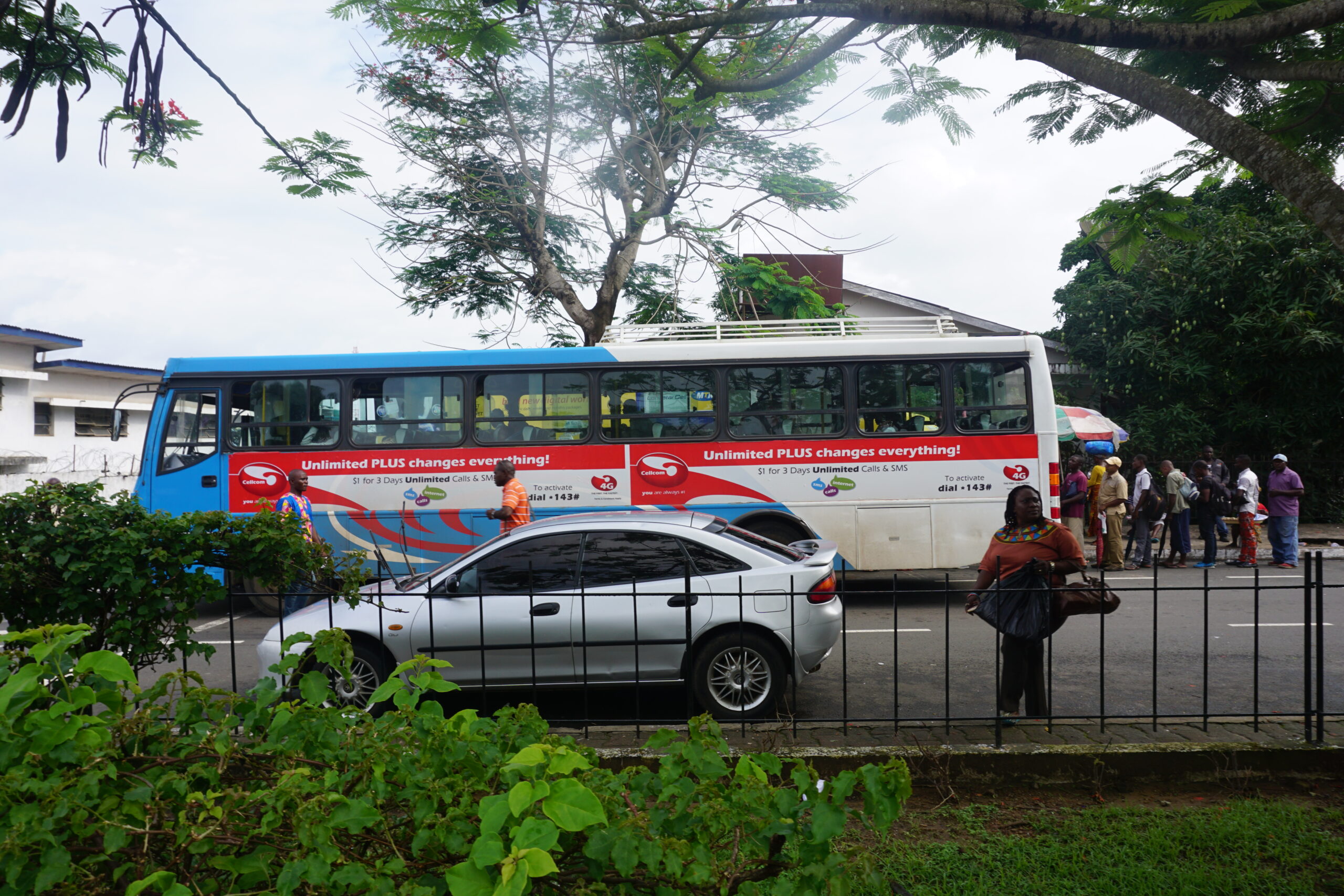
Who lives in Liberia
Liberia is ethnically and culturally diverse. The largest Indigenous groups include the Kpelle, Bassa, Grebo, Gio, Mano, Kru, Gola, Kissi, Loma, Krahn, Vai, Lorma, Gbandi, Sapo and Belle. Americo-Liberians, descendants of settlers associated with the American Colonization Society, form a historically influential minority, particularly in Monrovia’s political and commercial history.
English is the official language of government, education and formal business. Liberian English and several English-based colloquial varieties are widely spoken. Most Liberians also use one or more Indigenous languages at home and in local communities, so a newcomer will hear a rich mix of speech even in formal settings.
Christianity is the largest religious tradition, alongside Islam and Indigenous beliefs. Churches and mosques are important not only for worship but also for education, charity, community organisation and public debate. Religious affiliation is often socially interconnected, and newcomers are usually welcomed into these networks quickly.
The latest official census publication states that 5,250,187 people were enumerated, while the adjusted true population of the 2022 census was 5,364,699. The distinction matters: the enumerated figure reflects people counted in the census operation, whereas the true population figure incorporates the statistical adjustment used by Liberia’s statistics authority.
How the political system works
Liberia is a presidential republic with executive, legislative and judicial branches. The president is both head of state and head of government. The legislature is bicameral, consisting of a Senate and a House of Representatives. The judiciary is headed by the Supreme Court.
Joseph Nyuma Boakai Sr. is president of Liberia. Jeremiah Kpan Koung is Liberia’s vice president. The Boakai-Koung administration took office in January 2024 after the 2023 presidential election. The official Cabinet website identifies the government’s policy framework as the A.R.R.E.S.T. Agenda, covering agriculture, road development, rule of law, education, sanitation and tourism.
The Cabinet’s listed senior officials include Sara Beysolow Nyanti as minister of foreign affairs, Augustine Kpehe Ngafuan as minister of finance and development planning, and Cllr. Natu Oswald Tweh Sr. as minister of justice and attorney general. Sekou M. Kromah is listed as minister of posts and telecommunications and Francis Sakila Nyumalin as minister of internal affairs. The official Cabinet leadership page also identifies Dr. J. Alexander Nuetah as minister of agriculture. Sylvester M. Grigsby was Liberia’s minister of state for presidential affairs until his death in 2025; Samuel A. Stevquoah was nominated to succeed him and was confirmed by the Senate in September 2025.
For a foreigner, the key point is that Liberia has experienced peaceful transfers of presidential power since the end of the civil wars, a major asset even though institutions remain capacity-constrained.
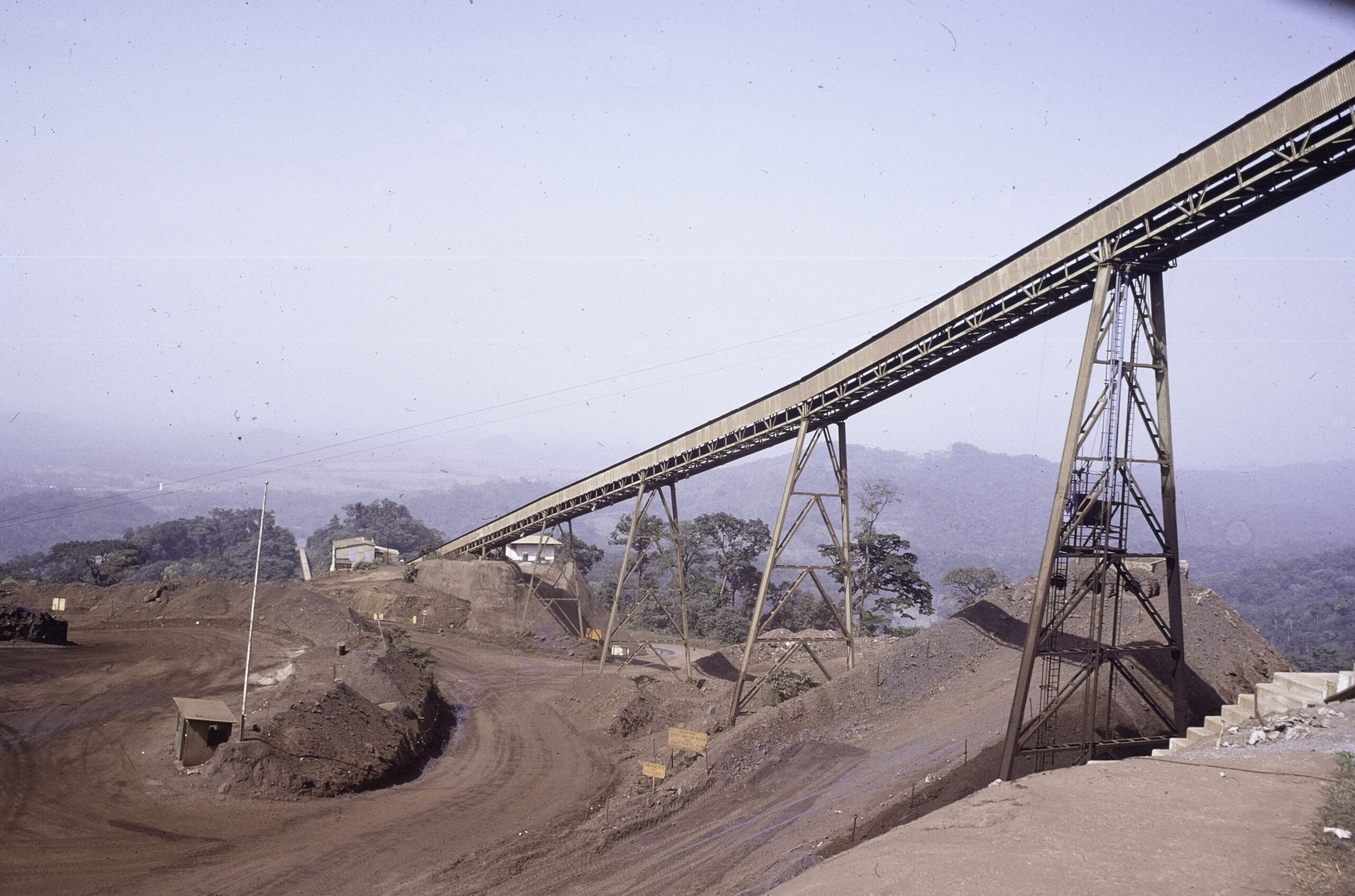
The economy: mining-led growth with structural constraints
Liberia’s economy is small, open and highly dependent on imports. It is heavily influenced by commodity prices, foreign investment, donor financing, remittances and the performance of the mining sector. The Central Bank of Liberia reported that real GDP growth increased from 4.0% in 2024 to 5.1% in 2025, driven mainly by mining, with agriculture and services also contributing.
Iron ore is particularly important to this mining-led growth.
Mining creates export earnings, government revenue, logistics demand and some formal employment. It also creates risks: the economy can become excessively dependent on a small number of commodities and large concessionaires. Investors need to examine concession agreements, tax terms, land rights, environmental obligations, local-content provisions and the reliability of transport and port infrastructure.
Agriculture remains central to livelihoods, particularly outside Monrovia. Key products include rice, cassava, rubber, cocoa, coffee, oil palm, vegetables and fish. Liberia still imports substantial quantities of food, including rice, making domestic agricultural productivity and logistics important policy issues. Rubber has a long-established commercial presence, but smallholder agriculture is often constrained by poor roads, limited access to finance and weak storage capacity.
Currency, inflation and what money feels like
The official currency is the Liberian dollar, issued by the Central Bank of Liberia. The US dollar is also widely used in everyday transactions, contracts, rent, imports and larger business payments. This dual-currency environment is useful for international business but can be confusing for newcomers. Prices may be quoted in Liberian dollars, US dollars or both.
Exchange-rate movements affect imported food, fuel, vehicles, construction materials, accommodation and school fees. The Central Bank reported average headline inflation of 8.5% in 2025, compared with 8.3% in 2024, but end-period inflation fell to 4.0% in December 2025, from 10.7% at the end of 2024.
Inflation was more volatile in 2026. The Central Bank’s June 2026 review said its Monetary Policy Rate remained at 16.25%, reflecting a relatively tight policy stance intended to contain inflation. A separate Central Bank announcement reported a reduction in the rate to 16.0% after the July 15, 2026 meeting.
The Central Bank’s second-quarter bulletin reported that Liberian-dollar currency in circulation declined slightly to L$41.01581 billion at the end of June 2026, from L$41.18229 billion at the end of March. For practical purposes, a newcomer should always ask which currency a price is quoted in and keep both Liberian and US dollars available.
Trade, remittances and external finances
Liberia imports fuel, vehicles, machinery, food, pharmaceuticals and manufactured goods. Export earnings are concentrated in minerals, rubber and other primary commodities. The trade balance can shift sharply with mining shipments and import orders.
In June 2026, the Central Bank reported a merchandise trade surplus of US$36.77 million, compared with a US$3.68 million deficit in May. These swings reflect the lumpy nature of mining exports and large import orders.
Remittances are a major source of household income and foreign exchange. The Central Bank reported net personal remittance inflows of US$67.56 million in March 2026, US$79.34 million in April 2026 and US$76.57 million in June 2026. For families, remittances help pay for food, rent, school fees, health care and construction. For the economy, they support consumption and foreign-currency liquidity but can also signal the limited availability of well-paid domestic employment.
Daily life: Monrovia versus the counties
Daily life in Liberia differs sharply between Monrovia and the rest of the country. Monrovia’s economy is substantially larger and more diversified than that of most other areas. Services dominate urban economic life, including telecommunications, banking, transport, retail, hospitality, construction, professional services and public administration.
The services sector is also where many expatriates encounter Liberia’s practical economic reality. Businesses often need backup power, imported equipment, security planning, reliable internet solutions and additional time for customs, licensing and payments. Outside the capital, settlements are generally more dispersed and infrastructure is less reliable.
Social life is warm and community-oriented. Churches and mosques anchor much of public life, and newcomers are often invited into extended family and neighbourhood networks quickly. English makes formal communication straightforward, but understanding Liberian English and local languages takes time and patience.
For foreigners, the key adjustment is practical rather than cultural: plan for power outages, rainy-season transport delays, dual-currency pricing and slower administrative processes. Those who adapt to these realities often find Liberia a welcoming and socially rich place to live and work.
What to watch in the coming years
Several questions will shape Liberia’s trajectory. How quickly can the state improve roads, electricity, water and public services? Can mining and other extractive industries generate broad-based employment and revenue? How can the government reduce corruption and improve accountability? Can rural counties gain greater access to investment and state services?
For investors, the mining sector will remain the main engine of formal growth, but diversification into agriculture, manufacturing and services is the stated policy direction. The A.R.R.E.S.T. Agenda signals priorities in agriculture, road development, rule of law, education, sanitation and tourism, though implementation capacity remains a constraint.
The dual-currency system will continue to shape daily life. Watch the Central Bank’s Monetary Policy Rate decisions and inflation reports, as these affect the cost of imported goods, rent and school fees. The rate moved from 16.25% in June 2026 to 16.0% after the July 15, 2026 meeting, showing that policy conditions can change within weeks.
Finally, watch the relationship between Monrovia and the counties. Reducing the gap between the capital and the rest of the country is one of Liberia’s most persistent challenges. Progress on roads, rural electrification and agricultural logistics would change daily life for millions of Liberians and open new opportunities for investment outside Montserrado County.
Related reading: Boakai oversees ArcelorMittal rail expansion; Liberia grew 5.1 percent, and the World Bank calls it jobless; Liberia is US$45m away from a billion-dollar revenue year; Liberia is about to ship four times the iron ore; Africa news and analysis.
Frequently Asked Questions
Is Liberia safe for foreigners?
Liberia has experienced peaceful transfers of presidential power since the end of the civil wars, which is a major asset. However, institutions remain capacity-constrained, and newcomers should plan for infrastructure gaps, administrative delays and security precautions in daily life.
What currency should I use in Liberia?
Both the Liberian dollar and the US dollar are widely used. Prices may be quoted in either currency, so always ask which one applies. Keep both currencies available, especially for rent, imports and larger payments.
What is the population of Liberia?
The 2022 Liberia Population and Housing Census recorded a true population of 5,364,699. A total of 5,250,187 people were enumerated in regular households, institutions and group quarters.
What drives Liberia’s economy?
Mining is the principal engine of recent growth, particularly iron ore, alongside gold and diamonds. Agriculture, services and remittances also play major roles. Real GDP grew 5.1% in 2025, according to the Central Bank of Liberia.
Who is the president of Liberia in 2026?
Joseph Nyuma Boakai Sr. is president of Liberia. Jeremiah Kpan Koung is Liberia’s vice president. The Boakai-Koung administration took office in January 2024 after the 2023 presidential election.
What is the A.R.R.E.S.T. Agenda?
The A.R.R.E.S.T. Agenda is the Liberian government’s policy framework, covering agriculture, road development, rule of law, education, sanitation and tourism. It is identified on the official Cabinet website.
Sources: cbl.org.lr, cbl.org.lr, lisgis.gov.lr, cbl.org.lr, cabinet.gov.lr, cbl.org.lr.
This article was produced by The Rio Times’ automated newsroom system. How we use AI · Report an error · Editorial responsibility: Matthias Camenzind, Editor-in-Chief