KENYA · POLITICS
Key Facts
- The country Kenya, an East African nation, is a US major non-NATO ally led by President William Ruto.
- What happened Kenya says Russia agreed to stop enlisting Kenyans, after Kremlin talks on Thursday 29 October 2026.
- The people Kenya’s government has documented 354 Kenyans linked to the war; 84 are reported killed or missing.
- The money Compensation is promised, but no amount has been published.
- Still open No text of the agreement is public, and Kenyans already under contract have no confirmed exit.
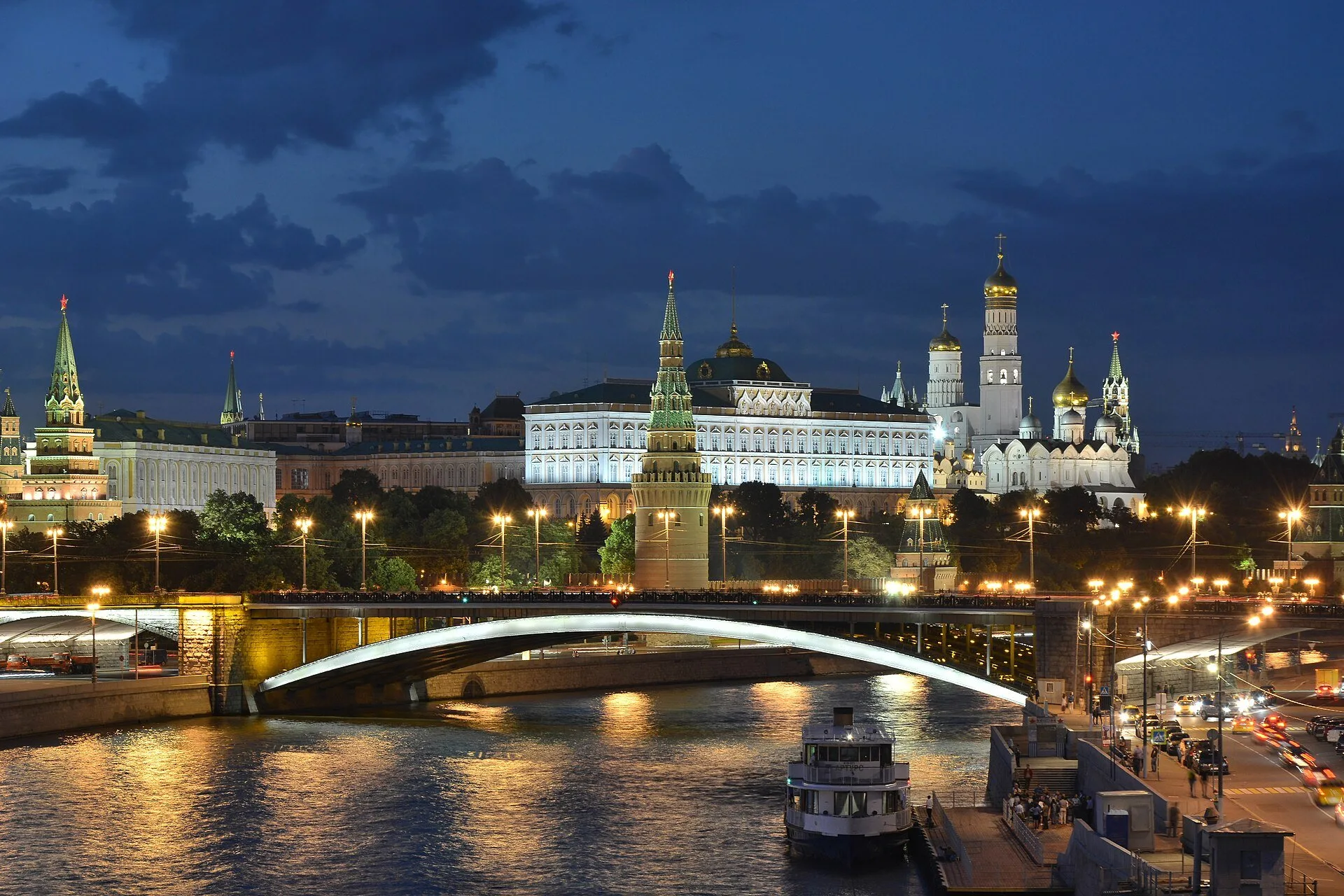
Kenya says Russia has agreed to stop recruiting Kenyans for its war in Ukraine, after President William Ruto met President Vladimir Putin at the Kremlin in Moscow on Thursday 29 October 2026. Kenya’s State House, the president’s office, says Kenya is now a “non-source country” for recruitment into the Russian military.
For US readers, the deal matters because Kenya is a US major non-NATO ally, a status Washington gives to close security partners outside the alliance. Our guide to Kenya and the United States explains that partnership.
In Plain English
A “non-source country” is one whose citizens a recruiting state agrees not to enlist. A Defence Attaché is a military officer who serves as a diplomat at an embassy.
What Happened
Ruto met Putin at the Kremlin after the Russia-Africa summit, which brought African leaders to Moscow this week and which we covered in Putin Criticizes Sanctions at Africa Summit. State House says the two leaders agreed that Kenya is a non-source country, so Russia will not enlist Kenyans.
Kenya has named a Defence Attaché at its embassy in Moscow to work with Russia’s Ministry of Defence. The officer will help bring home Kenyans who went to Russia for military purposes and will seek compensation for those affected.
The presidents also signed five memorandums of understanding, which are short cooperation agreements. They cover an economic commission, labour inspection and jobs, transport, diplomatic training and visa-free travel for diplomatic and service passport holders.
Putin said scholarships for Kenyan students in Russia will rise from 70 to 300 a year. Ruto acknowledged that trade favours Russia, and Putin described Russia as one of the top fertiliser exporters to Kenya.

How Many Kenyans Are Involved
As of 9 October 2026, Prime Cabinet Secretary Musalia Mudavadi, who also runs Kenya’s foreign affairs, told Parliament that the government had documented 354 Kenyans linked to the war. Of these, 77 were on the front line, 52 in unknown locations, 38 in military camps, 34 in hospital and 62 had been repatriated.
Five were prisoners of war, and 84 were reported killed or missing in action. Mudavadi said those categories are not interchangeable, that some deaths are unverified, and that Russia had told Kenya it could not pay to return the remains of the dead, so such cases will be handled one by one.
The government’s count is far below a February intelligence estimate, presented to Parliament, that more than 1,000 Kenyans may have been recruited. Russia and Kenya had already announced a similar understanding in March 2026 after Mudavadi met Foreign Minister Sergei Lavrov in Moscow, so Thursday’s deal repeats that pledge at presidential level, and our report Kenya Says 84 Citizens Dead or Missing in Russia’s War covers the October figures.
Why It Matters
Kenya is a key partner for Washington in East Africa, so a Russian recruiting channel into its population was a political problem for Nairobi at home and abroad. The agreement removes the problem on paper, but it leaves the men already in Russia to be dealt with case by case.
Ruto also asked Russia to buy more Kenyan tea and flowers and invited Russian investors into Kenya’s proposed National Infrastructure Fund, a state vehicle for public projects, according to the presidency. Kenya is therefore keeping its Russian trade ties while closing the recruitment channel.
What It Means for You
Nothing in the agreement changes entry rules or business conditions for Americans in Kenya. Its weight is political, because it shows a US partner pulling its citizens away from Russia’s war effort.
Kenyans living in the United States with relatives in Russia should watch for details from the new Defence Attaché, since no claims process has been published. Investors tracking Russian influence in Africa should note that Kenya combined the recruitment deal with new trade and labour agreements.
What Is Not Known
The text of the agreement has not been published, so it is not known whether it binds Russia in writing or only records a statement by the two presidents. It is also not known whether Kenyans already under contract can leave before their terms end.
No compensation amount, fund or deadline has been given, and Russia had earlier said it could not pay to return the remains of the dead. Russia’s embassy in Nairobi earlier said Russian authorities have never engaged in illegal recruitment of Kenyans, so Moscow’s own account of this deal should be read against Kenya’s.
More: Kenya news in English, every day from The Rio Times.
Frequently Asked Questions
Will Russia Stop Recruiting Kenyans?
Kenya says Putin confirmed on 29 October 2026 that Kenya is a non-source country, so Russia will not enlist Kenyans. The written terms of the deal have not been published.
How Many Kenyans Fought for Russia?
Kenya’s government had documented 354 Kenyans linked to the war by 9 October 2026, including 84 reported killed or missing. An earlier intelligence estimate put total recruitment above 1,000.
Will Families Be Compensated?
Kenya says its new Defence Attaché in Moscow will seek compensation for affected Kenyans. No amount or process has been announced.
Sources: State House of Kenya, statement on talks between President William Ruto and President Vladimir Putin, 29-30 October 2026; Kremlin, President of Russia, Russia-Africa events, 28-29 October 2026; Parliament of Kenya, statements by Prime Cabinet Secretary Musalia Mudavadi on Kenyans linked to the Russia-Ukraine war, 8-9 October 2026.
Editorial responsibility: Matthias Camenzind, Editor-in-Chief · Editorial standards · Report an error
Great Powers in Africa
- Who Backs Whom in Africa 2026: China, Russia, US, Gulf
- Africa: The New Scramble
- DP World and AD Ports Drive Gulf States Africa Investment as Saudi Deals Follow
- China Slashes Africa Lending 46% as Kenya and Angola Race to Refinance Old Debts