Retire in Kenya 2026: The Class K Permit, Tax and What It Really Costs
KENYA · EXPAT GUIDE
Key Facts
- —The permit Class K, under Regulation 20(4) of the 2012 immigration rules. There is no retirement visa.
- —The money An assured annual income of at least US$24,000, which is about US$2,000 a month.
- —The age A minimum of 35 years. There is no upper limit and no need to be of retirement age.
- —The cost Processing is about US$154 and issuance about US$1,931 a year. East Africans pay nothing.
- —The tax Kenya taxes by source. On the revenue authority’s own guidance a foreign pension is outside the charge.
- —The catch You must undertake to accept no employment, paid or unpaid. Unpaid charity work is caught.
The permit everyone calls a retirement visa has no such name in Kenyan law, no upper age limit, and one condition that catches people badly.
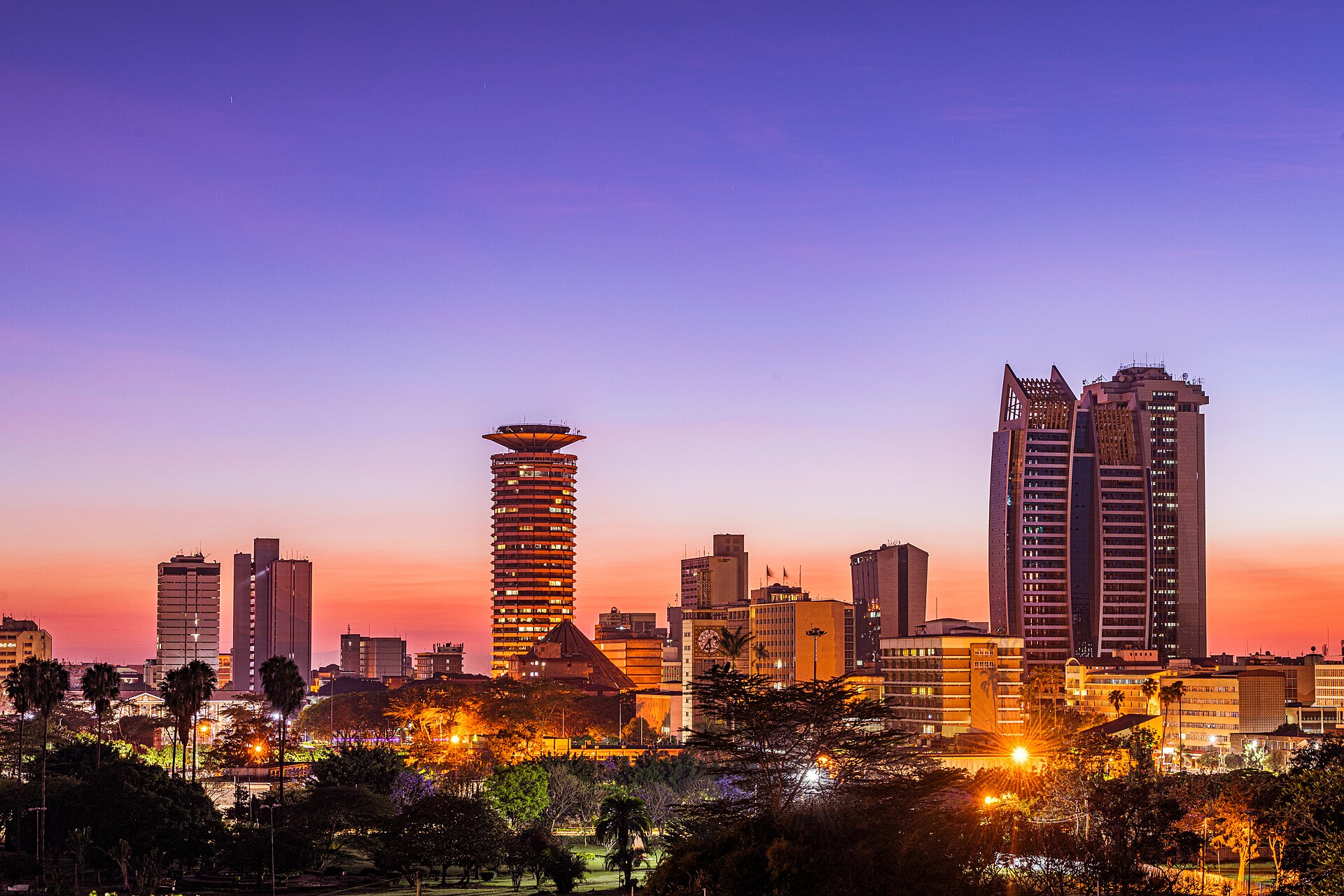
Anyone who wants to retire in Kenya will read about a Kenyan retirement visa. No such thing exists in Kenyan law.
The permit classes are A, B, C, D, F, G, I, K and M. People who retire in Kenya use Class K, and the nickname is not a legal description.
It sits in Regulation 20(4) of the 2012 immigration regulations, read with the Seventh Schedule. Regulation 19 covers permanent residence and has no fourth subsection at all.
What Class K Requires
The core test is an assured annual income of at least US$24,000 at your full and free disposal. That is roughly US$2,000 a month.
The income may come from outside Kenya and be remitted there. It may also be a pension or annuity payable from sources inside Kenya.
The minimum age is 35. There is no upper age limit and no requirement to have actually retired.
The regulation also speaks of funds rather than income, which suggests capital might qualify. In practice the immigration service asks only for the annual assured sum, so do not plan around it.
The Condition That Catches People
Class K carries an undertaking not to accept employment, paid or unpaid. It also bars any income generating activity of any kind.
That wording comes from the schedule itself. It is a condition of the permit, not general immigration boilerplate.
Read paid or unpaid literally. Volunteering for a charity or a school is caught by the same words as a job.
Breaching it is not a technicality. The Act says a holder who engages in any occupation other than that permitted makes their presence in Kenya unlawful.
Remote work for a foreign employer sits in a grey area nobody has settled. Do not assume it is allowed.
You must also take up residence within 90 days of the permit being issued or of entry, whichever comes first. Otherwise it lapses.
What It Costs and How Long It Lasts
The immigration service publishes a processing fee of 20,000 shillings, about US$154, which is not refundable. Issuance is 250,000 shillings a year, roughly US$1,931.
First-year cash outlay is therefore about 270,000 shillings, some US$2,086. Nationals of East African Community states pay nothing.
The law fixes no term. The regulation says the permit is valid for the period specified in it, provided the income continues.
So there is no statutory one-year or two-year permit and no right of renewal. The director sets the term and the fee is charged per year.
The Alternatives
The business route is Class G and needs documentary proof of at least US$100,000 of capital to be invested. Issuance costs the same as Class K.
Permanent residence is a long game. It requires seven years of work permits plus three years of continuous residence immediately before applying.
It costs 50,000 shillings to process, about US$386, and 750,000 shillings on approval, roughly US$5,794. East Africans are not exempt from that one.
A spouse goes on a dependant’s pass, which costs 10,000 shillings, about US$77, where the sponsor holds a permit. It requires a sworn affidavit of inability to support oneself.
Applying, and Registering
Applications go through the online foreign nationals portal rather than the general government platform. Class K uses Form 25 and is issued on Form 26.
There is a tension in the sources about applying from inside the country. The Act contemplates an application before entry.
The immigration service, though, asks for your current status if you are already there. Both are official and they pull against each other.
No published service standard exists for permit processing. The Act requires issuance within fourteen days of the determination committee’s recommendation, but nothing caps the committee.
Anyone staying more than 90 days must register and obtain the alien card. It costs 1,000 shillings a year, about US$7.73, and production takes several weeks.
That card matters beyond immigration. It is the identity document the health authority and the banking system expect from a foreign resident.
Tax
Kenya is not a worldwide income jurisdiction for individuals. The revenue authority states that income is taxable only if it accrued in or was derived from Kenya.
It names two exceptions. Foreign employment income of a resident individual is taxable.
So is business income where the business runs partly inside and partly outside the country. Nothing else foreign is caught.
A foreign pension is neither. On the revenue authority’s published guidance it falls outside the charge, even though the permit requires you to remit it.
Treat that as the agency’s stated position rather than as a quotation from statute. It is the clearest answer available and it is worth confirming for your own circumstances.
Residency itself is easier to trigger than people expect. A permanent home in Kenya plus any presence in the year is enough, without reaching 183 days.
The other tests are 183 days in a year, or an average above 122 days across three consecutive years. Rates are unchanged, running from 10 percent to 35 percent.
Americans should note there is no double tax treaty between Kenya and the United States. The treaty list covers Britain, Germany, France, India, South Africa and about ten others.
A tax amnesty on interest and penalties runs from 1 July to 31 December 2026, covering periods to the end of 2025. Every holder of a tax number must file annually even with no income.
Property
The constitution is blunt. A non-citizen may hold land on leasehold tenure only, and no such lease may exceed 99 years.
An attempt to grant more does not fail. It converts by operation of law into a 99-year lease.
The anti-avoidance rule is what people miss. A company counts as a citizen only if it is wholly owned by citizens.
A trust counts only if every beneficial interest is held by citizens. Those two lines close the obvious workaround.
So buying through a Kenyan company with one foreign shareholder achieves nothing. Agricultural land is separately restricted and needs land control board consent.
Stamp duty on a transfer is 2 or 4 percent of value depending on whether the property sits in a municipality. Assessment at the lands office is free and immediate.
The digital land registry is live in Nairobi, Murang’a, Mombasa and Isiolo. Coverage inside those counties is uneven and Mombasa is being brought on block by block.
Once a block is onboarded, manual processing for it stops entirely. Check your specific registration section before assuming either route is open.
Health and Money
The national health scheme replaced the old fund in 2024. It charges 2.75 percent of gross income, with a minimum of 300 shillings a month or about US$2.32.
There is no upper limit on contributions. A retiree falls into the non-salaried tier, which is means-tested on household income.
Every resident is required to register, and the alien card is the document non-citizens use. Most foreign residents treat it as a levy and carry private cover as well.
Private premiums for a couple over 65 are not published by Kenyan insurers. Age loading above 65 is severe and some decline new applicants over 70, which matters more than any quoted figure.
Aeromedical evacuation cover is widely used and short-term plans start at US$35 per trip. Note that the resident annual product evacuates to Nairobi or South Africa, not to your home country.
Mobile money is plumbing rather than novelty. There were 94.35 million registered accounts and 575,400 agents in July 2026, and the revenue authority accepts tax payment by phone.
Safety and the Money You Ship
The British foreign office updated its advice on 4 September 2026. Nairobi, Mombasa, Diani, Watamu and Malindi carry no travel restriction at all.
It advises against all travel to Mandera county, parts of Wajir, most of Garissa and most of Lamu. Lamu and Manda islands are excepted but must be reached by air.
Violent crime is frequent in the cities and on highways. Eastleigh, the central business district, Mathare and Kibera are named in Nairobi, and Old Town and the Likoni ferry area in Mombasa.
One warning on shipping your belongings. Customs relief on household goods and a car is built around returning Kenyans.
It also covers foreigners arriving to execute a contract of at least two years. Those are the only two doors.
A Class K retiree has no contract and no employer. Get a written ruling from customs before you ship anything.
Duty on a car and a container is not a small sum. If relief is refused at the port, the goods are already there.
On budgets, a couple who retire in Kenya need roughly US$2,000 a month in Nairobi before health cover. That is the permit threshold exactly, so treat it as a floor rather than a plan.
More: Africa news in English, every day from The Rio Times.
Frequently Asked Questions
Is there a retirement visa for Kenya?
No. The permit classes are A to M with no retirement category. Retirees use Class K, an ordinary residence permit for people of independent means.
How much income do I need to retire in Kenya?
An assured annual income of at least US$24,000, either remitted from abroad or paid as a pension or annuity from Kenyan sources.
Can I work on a Class K permit?
No. The permit carries an undertaking to accept no employment, paid or unpaid, and to engage in no income generating activity.
Is my foreign pension taxed in Kenya?
On the revenue authority’s published guidance, no. Kenya taxes by source, and the only foreign-income exceptions are employment income and split business income.
Can a foreigner buy land in Kenya?
Only on leasehold, capped at 99 years. Buying through a company or trust does not help unless every owner or beneficiary is a citizen.
Sources: Kenya Citizenship and Immigration Act 2011, Kenya Citizenship and Immigration Regulations 2012 Legal Notice 64, Directorate of Immigration Services, Kenya Revenue Authority, Constitution of Kenya Article 65, Ministry of Lands, Social Health Authority, Central Bank of Kenya, UK Foreign Office.
This article was produced by The Rio Times’ automated newsroom system. How we use AI · Report an error
Read More from The Rio Times