
GHANA · ILLEGAL MINING
Ghana’s task force against illegal gold mining does not warn local government chiefs before it raids sites in their areas, a senior regulator says, citing “disbelief and trust issues”. Dela Edem, head of corporate communications at the Minerals Commission, Ghana’s mining regulator, said on Tuesday 17 November 2026 that a single tip-off could let illegal miners flee.
The task force is NAIMOS, the National Anti-Illegal Mining Operations Secretariat, set up in June 2025 to coordinate raids against galamsey, the Ghanaian name for illegal small-scale gold mining. Edem spoke on the talk programme GhanAkoma, and we found no public response to his remarks from local officials by 17 November.
Key Facts
- Who Dela Edem, head of corporate communications at Ghana’s Minerals Commission, the mining regulator.
- What Edem says NAIMOS, Ghana’s anti-illegal-mining task force, does not warn local chief executives before raids.
- Why He cited “disbelief and trust issues” and the risk that a whistleblower tips off miners.
- Context On 2 November the government told local officials to list illegal-mining hotspots within 30 days.
- As of 17 November 2026, 19:30 GMT
The policy sits awkwardly with a government order that asks local officials to help fight illegal mining. Gold made up more than two-thirds of Ghana’s export earnings in January to June 2026, which raises the stakes.
What the Minerals Commission Said
Edem said NAIMOS “does not inform any of the MCEs or MMDCEs of their coming because of disbelief and trust issues.” MCEs and MMDCEs are the municipal, metropolitan and district chief executives who head Ghana’s local assemblies.
“For all you know, a whistleblower can inform the illegal miners about their coming,” he said. He added that he was “impressed with the operations of NAIMOS” and that many people do not understand its mandate.
On licences, Edem said applications should normally be processed within three weeks at most, with delays sometimes caused by checks on whether a site is safe and suitable. He called it one of the Commission’s biggest challenges that many miners start work on proposed sites before their licences are approved.
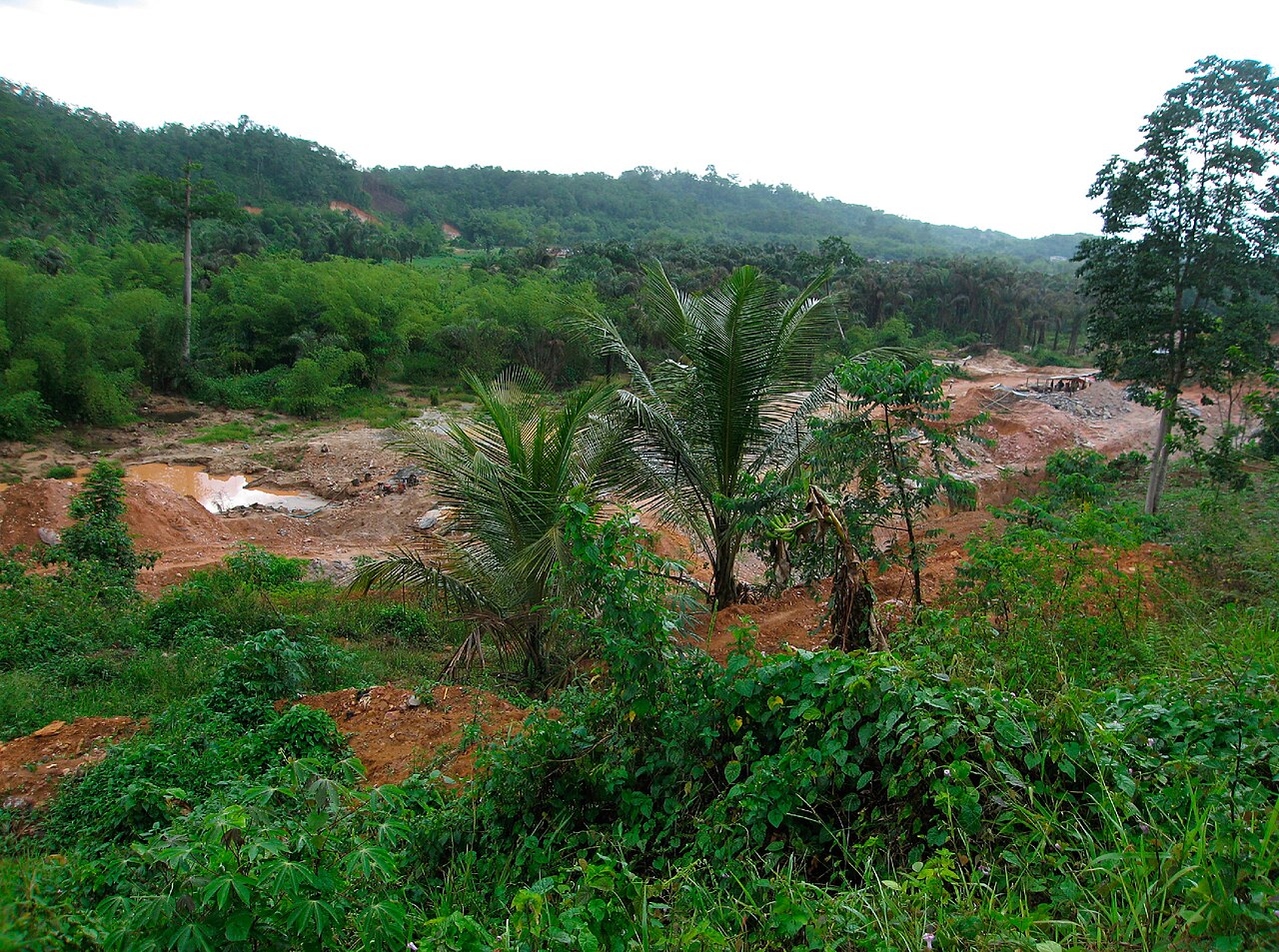
The Big Picture: A Secret Force and a Local Order
Emmanuel Armah-Kofi Buah, the Lands and Natural Resources Minister, inaugurated NAIMOS on 26 June 2025 as an intelligence-led command body for raids against illegal mining. The ministry’s website describes it as a special-purpose unit, and coverage of the launch says it works with the military and National Security.
At the launch, Buah said 16% of Ghana’s land reserves were already degraded by illegal mining. At a national conference of chief executives in Kumasi on Monday 2 November 2026, he told them to submit within 30 days a list of illegal-mining hotspots, threatened water bodies and dangerous abandoned pits.
He also urged them to coordinate their district anti-mining task forces with NAIMOS. The government therefore asks local officials to supply information and support, while Edem says NAIMOS does not tell them in advance.
Why the Stakes Are High
Figures from the Bank of Ghana, the central bank, for January to June 2026, as reported on 22 July 2026, show gold exports of US$12.50 billion, up from US$8.39 billion a year earlier. That is more than two-thirds of total export receipts of US$18.29 billion.
Trust is a worry on the miners’ side too, with Michael Adu Gyamfi, an executive of the Small-Scale Miners Association of Ghana, an industry body, saying on 18 August 2026 that rogue police, soldiers, immigration officers and politicians extort miners, including licensed ones. The coverage of that statement carries no response from NAIMOS or the government.
What It Means for Readers
This story is about how Ghana organises enforcement against galamsey. It matters to anyone tracking the country’s gold exports and its polluted rivers.
What to Watch
The 30-day deadline for chief executives’ hotspot lists, set at the 2 November conference, falls in early December 2026. The exact date has not been published.
What Is Not Known
It is not known how many raids NAIMOS has run without telling local officials, whether it ever informs some of them, or whether any official has leaked one. We found no public answer from a chief executive or a ministry to Edem’s remarks by 17 November 2026.
Frequently Asked Questions
What is galamsey?
Galamsey is the Ghanaian name for illegal small-scale gold mining, including in rivers and forest reserves. NAIMOS focuses on it.
What is NAIMOS?
NAIMOS is the National Anti-Illegal Mining Operations Secretariat, launched on 26 June 2025. It coordinates raids against illegal mining and sits under the Lands Ministry.
Why does NAIMOS not tell local officials about raids?
Dela Edem of the Minerals Commission said it is because of “disbelief and trust issues” and the risk that a whistleblower warns illegal miners. He made the remarks on 17 November 2026.
How long should a mining licence take in Ghana?
Edem said applications should normally be processed within three weeks at most. He said safety and suitability checks can cause delays.
Sources: Dela Edem, head of corporate communications, Minerals Commission, remarks on GhanAkoma, 17 November 2026; Ministry of Lands and Natural Resources, NAIMOS agency page; inauguration of NAIMOS, Accra, 26 June 2025; national conference of chief executives on illegal mining, Kumasi, 2 November 2026; Bank of Ghana export data, January to June 2026, as reported 22 July 2026; statement of the Small-Scale Miners Association of Ghana, 18 August 2026.
Read more: Galamsey explained · Ghana’s muddy rivers · Galamsey and toxic metals in vegetables
This article was produced by The Rio Times’ automated AI newsroom. Editorial responsibility: Matthias Camenzind, Publisher and Editor-in-Chief. The Rio Times also runs Ask Rio Times, which answers from 100,000+ of our own articles, the daily Latin America Power Map, and prediction-market odds on elections and markets.. How we use AI · Report an error