
GHANA · MINING
Key Facts
- The country Ghana, a West African nation of about 34 million people, is one of Africa’s top gold producers.
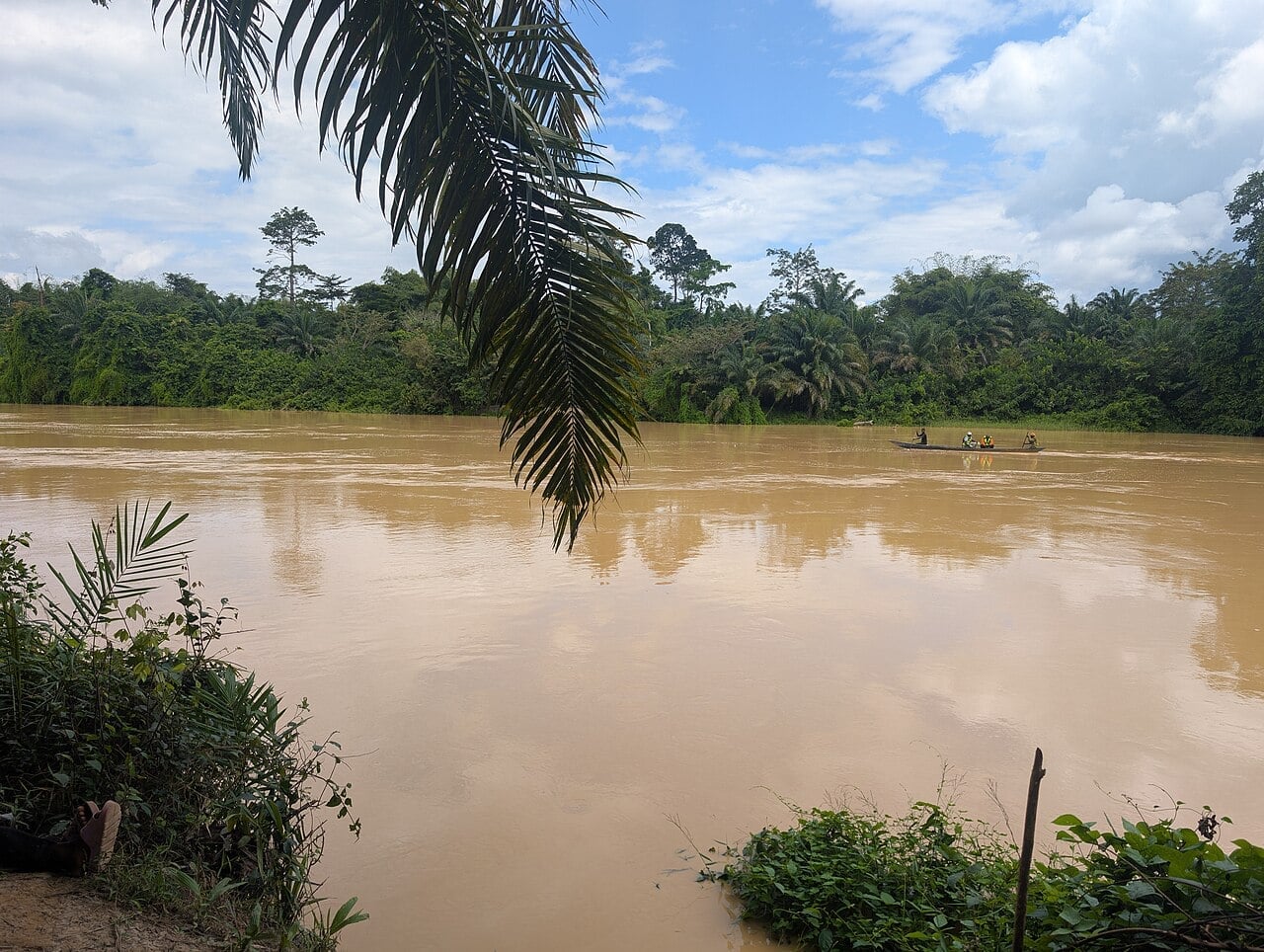
- The problem Galamsey is Ghana’s word for illegal small-scale gold mining, which turns rivers brown.
- The crackdown A state task force destroyed 1,970 gold-washing platforms from 13 June to 30 September 2026.
- The money Gold earned US$12.50 billion of Ghana’s US$18.29 billion in exports in early 2026.
- The next date Gold Fields’ Tarkwa mine leases end in April 2027, and chiefs want a Ghanaian operator.
Ghana’s rivers are running brown because thousands of illegal gold miners work along their banks, and the state is now fighting back. The trade matters far beyond Ghana, because gold is the country’s biggest export and Gold Fields, a South African miner listed in New York, sits at the centre of a lease fight.
For US readers, this is a story about a gold price, a US-listed company and a water crisis in one country. Our reports on Ghana’s polluted rivers and the chiefs’ call on Gold Fields cover the latest steps.
What Galamsey Means
Galamsey, a word widely said to come from the phrase “gather them and sell”, is the local name for illegal small-scale gold mining. Miners dig riverbeds and banks with excavators and pumps, and wash the soil on makeshift platforms called changfans.
Small-scale mining itself can be legal in Ghana when a miner holds a licence and sells through the state. Galamsey is the part that works without a licence or breaks the rules, and it is the part that fouls the water.
What It Does to Water
Ghana Water Limited, the state water company, shut its Bonsa Headworks plant at Tarkwa in a statement dated 2 January 2025. The plant supplied about 75% of the drinking water of Tarkwa, a mining town in the Western Region, and the company said river pollution from galamsey had made treatment impossible.
The company said the plant’s installed capacity of 1 million gallons a day had fallen to about 400,000 gallons because of the polluted water. We found no new plant closure announced for 2026, so the current state of that plant is not confirmed.
How the State Is Fighting Back
NAIMOS, Ghana’s state task force called the National Anti-Illegal Mining Operations Secretariat, says it destroyed 1,970 changfans and 863 makeshift structures between 13 June and 30 September 2026. It also recovered 74 firearms and 551 rounds of ammunition across 738 operations.
For one protected forest, the Atiwa Forest Reserve, it describes a three-stage plan: clear the sites, stabilise the land, then hand protection to the Forestry Commission, the state forest agency. The crackdown has also widened to illegal sand digging and stone mining.
Why Gold Is the Stake
Bank of Ghana, the central bank, data show that gold exports reached US$12.50 billion in the first half of 2026, up from US$8.39 billion a year earlier. That is more than two-thirds of the country’s US$18.29 billion in total exports.
GoldBod, the Ghana Gold Board that buys and exports small-scale gold, said on 20 October that small-scale miners had exported US$11.6 billion of gold in 2026. Its chief executive, Sammy Gyamfi, put the volume at 85.4 tonnes from 1 January to 20 October.
The Chiefs and Gold Fields
Gold Fields is a South African gold miner listed in Johannesburg and New York, and it runs the large Tarkwa mine in Ghana’s Western Region. The Apinto council of chiefs, which is called a traditional or divisional council, spoke at a press conference in Tarkwa on 24 July 2026.
Gyasehene Dr Nana Adarkwa Bediako III, the chief who heads the royal household, said the council backs a Ghanaian-owned operator when the lease comes up for renewal. The council also urged the government not to renew it.
Gold Fields replied on 27 July that it paid about GH¢5.8 billion (about US$500 million at 0.086 US dollars per cedi, the Ghanaian currency, from market-data provider RT) to the government in 2025. It said 99% of its workforce are Ghanaians, and its lease renewal application dates from November 2025.
The Wassa Fiase Traditional Council, the chiefs of another local area, has since asked the government not to renew the lease. Gold Fields’ other Ghana mine, Damang, passed to state control when a 12-month transitional lease ended on 18 April 2026.
What It Means for You
Investors who hold Gold Fields through its New York-listed shares should watch the Tarkwa decision, because the lease expires in April 2027. Gold buyers should note that Ghana’s exports show how much supply now flows through the state gold board.
Travellers do not face new rules from any of this. US firms with mining contracts in Ghana should expect louder local-ownership demands.
What Is Not Known
It is not known how much of Ghana’s gold goes to the United States, because we found no published split by buyer country. We also found no confirmed 2026 water plant closure.
It is not known whether Ghana will renew the Tarkwa leases, extend them with conditions or give the mine to a local operator. The government has not published a decision, and it has said renewal will not be automatic.
More: Ghana news in English, every day from The Rio Times.
Frequently Asked Questions
What Is Galamsey?
Galamsey is Ghana’s local name for illegal small-scale gold mining. It often uses pumps and washing platforms on riverbanks and in rivers, which muddies the water.
Is All Small-Scale Gold Mining in Ghana Illegal?
No, because licensed small-scale miners sell gold legally through the Ghana Gold Board, called GoldBod. Galamsey is mining without a licence or outside the rules.
Why Do Chiefs Want Gold Fields to Leave Tarkwa?
The Apinto and Wassa Fiase traditional councils say host communities see too little benefit and want a Ghanaian operator. Gold Fields says it pays taxes, hires locally and works with chiefs.
When Does the Tarkwa Lease Expire?
The leases for Gold Fields’ Tarkwa mine expire in April 2027. The government has said renewal will not be automatic.
Sources: NAIMOS (National Anti-Illegal Mining Operations Secretariat) operational figures, 22 October 2026; Bank of Ghana external trade data for January to June 2026; Ghana Gold Board (GoldBod) export figures, 20 October 2026; Ghana Water Limited statement on Bonsa Headworks, 2 January 2025; Gold Fields Ghana statement, 27 July 2026; Apinto Traditional Council press conference, 24 July 2026; RT cedi rate, 6 November 2026.
This article was produced by The Rio Times’ automated newsroom system. How we use AI · Report an error · Editorial responsibility: Matthias Camenzind, Editor-in-Chief