
ECUADOR · JUSTICE
Carlos Javier Vega, a 19-year-old, was shot at a military checkpoint in southern Guayaquil on 2 February 2024. Nearly three years later, his family and its lawyers are still asking a court to decide whether soldiers used excessive force, and to clear his name.
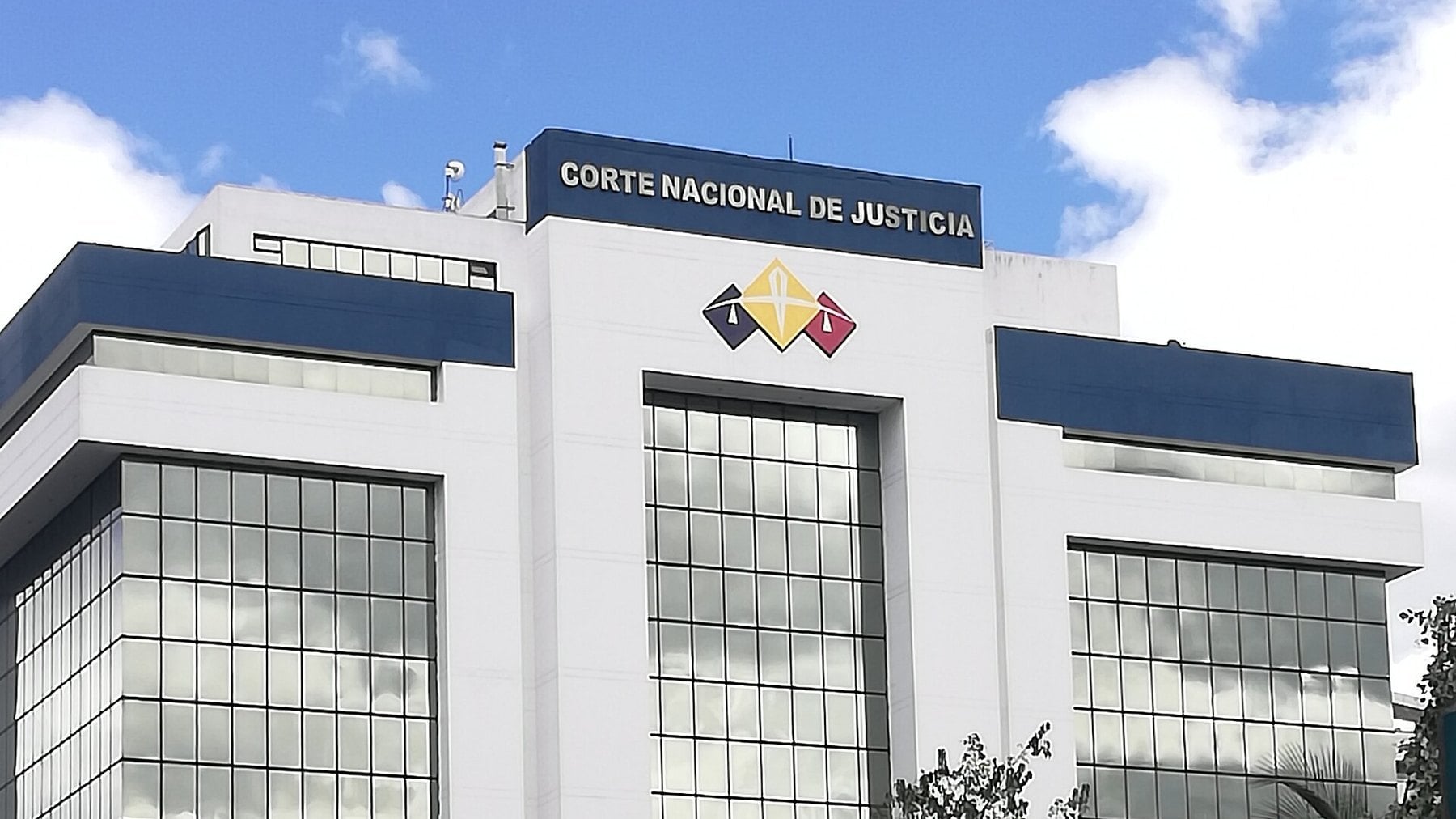
Ecuador’s Armed Forces said soldiers fired after his car tried to flee a control and hit a patrol vehicle, and called the two men terrorists. Ecuador’s state prosecutors, the Fiscalía General del Estado, later charged a member of the Ecuadorian Navy with “excess in an act of service”, meaning more force than duty allows.
A hearing to prepare a possible trial of two military members was set for 16 March 2026. We found no newer report on the case than March 2026.
Key Facts
- Who Carlos Javier Vega, 19, was shot at a military checkpoint in Guayaquil on 2 February 2024.
- Charge On 20 December 2024 prosecutors charged an Ecuadorian Navy member with excess in an act of service.
- Court A hearing to prepare trial of two military members was set for 16 March 2026; outcome unconfirmed.
- Dispute The Armed Forces cited a car that tried to flee; the family rejects the terrorist label.
- As of 18 November 2026, 11:00 GMT
Nearly three years on, the case turns on whether soldiers used excessive force at a checkpoint and on a label that his family says was false.
The Bigger Picture: A Country at War With Gangs
On 9 January 2024 President Daniel Noboa declared an “internal armed conflict” against organised crime, which allowed a larger military role on the streets. The human rights group Comité de Derechos Humanos (CDH), which represents the family, calls Vega the first victim of that conflict.
Noboa’s declarations let the military take a larger role in security across the country. Vega’s family says that is the setting in which their son was shot.
Vega’s case was charged as “extralimitación en la ejecución de un acto de servicio”, excess in an act of service. By 9 October 2026 a judge had sent seven soldiers to trial on the same charge over a death during a Manabí curfew operation on 18 May 2026.
What Happened at the Checkpoint
Vega and his cousin, Eduardo Alfredo Velasco, were driving through Barrio Cuba, a district in the south of Guayaquil, to sell a dog, according to the family’s account. Soldiers stopped them, according to the family, and the car backed up and hit a patrol vehicle.
Shots followed, and both men were wounded. In the prosecutors’ account, other soldiers gave first aid and called the national emergency line ECU 911.
In that account both men were taken to the Hospital del Guasmo, a public hospital in southern Guayaquil. Velasco has given a different account: he says soldiers ordered him to the ground and assaulted him, and that police and paramedics arrived afterwards.
Vega died of his wounds. Velasco, who survived, was later prosecuted for attack or resistance, a case a judge closed.
The Armed Forces called both men terrorists, and an online post said they were arrested before they could attack the checkpoint. His aunt, Gloria Bone, said the evidence never showed he was a terrorist.
What Prosecutors and the Court Did
On 20 December 2024 prosecutors told a judge they held ballistic reports, a reconstruction of the scene and statements from the soldiers. The judge ordered the accused Navy member not to leave the country and to report regularly to a court while the investigation ran.
The charge can carry up to 13 years in prison, according to prosecutors. The file also includes the complaint filed by Vega’s mother.
A hearing to evaluate the case and prepare a trial against two military members was scheduled for Monday 16 March 2026 at 09:30. We could not find a report on its outcome, so the stage the case has reached now is not confirmed.
Why It Matters: Time and Accountability
The charge came 322 days after the shooting, and the hearing to prepare a trial was set about 25 months after it. We found no verdict in any report.
The two sides argue from different facts. The Armed Forces describe a car that tried to evade a control, while the family’s lawyers say the label of terrorist was never proved.
Abraham Aguirre of the CDH said the family wants to prevent a “second death”, meaning a name left stained after the physical one. He said so in March 2026, while the family prepared for the hearing.
What to Watch
We could not confirm the date of the next hearing, so the next dated step is not known. The case will move once the court rules on whether the two military members go to trial.
What It Means for You
For readers who follow Ecuador’s fight against gangs, the case concerns how courts judge soldiers’ use of force during the armed conflict. The Ecuador news hub follows the justice stories.
Our report on soldiers who killed an alleged drug frontman in Manabí covers a separate operation. Our report on police data on killings shows the trend in violent deaths.
What Is Not Known
Reports differ on whether Vega died on 2 or 3 February 2024. We found no verdict, and we do not know whether the hearing of 16 March 2026 sent the case to trial.
We do not know why the March 2026 hearing covers two military members when one Navy member was charged in 2024. We also found no reply from the Armed Forces to the family’s latest statements.
In Plain English
Terms
- Excess in an act of service The Ecuadorian charge for a soldier or officer accused of using more force than the job allows.
- CDH Comité de Derechos Humanos, a human rights group that represents the Vega family.
- Armed internal conflict The status declared by President Noboa on 9 January 2024, which widened the military’s role.
Frequently Asked Questions
What happened to Carlos Javier Vega?
Vega, 19, was shot by soldiers at a military checkpoint in southern Guayaquil on 2 February 2024. He died of his wounds.
Who has been charged over his death?
On 20 December 2024 prosecutors charged a Navy member with excess in an act of service. A hearing to prepare trial against two military members was set for 16 March 2026.
What do the Armed Forces say?
They said soldiers fired after the car tried to evade the control and hit a patrol vehicle. They also called the two men terrorists, which the family rejects.
Has there been a verdict?
We found no verdict in the reports we read. The outcome of the 16 March 2026 hearing is not confirmed.
Sources: Prosecutors’ charging hearing of 20 December 2024; Family and CDH statements and the 16 March 2026 hearing notice; Armed Forces statement and the family’s account, June 2024; Manabí trial order, reported 9 October 2026.
This article was produced by The Rio Times’ automated AI newsroom. Editorial responsibility: Matthias Camenzind, Publisher and Editor-in-Chief. The Rio Times also runs Ask Rio Times, which answers from 100,000+ of our own articles, the daily Latin America Power Map, and prediction-market odds on elections and markets.. How we use AI · Report an error