
DR CONGO · HEALTH
Key Facts
- The country Ituri, in northeast Congo, is the province hit hardest by Ebola; its capital is Bunia.
- Why it matters Anyone who was in Congo in the past 21 days cannot board a US-bound commercial flight, Americans included.
- What happened Bankoko community leaders in Bunia claim 26 deaths in nearly three weeks; health services have not confirmed them.
- Still open Whether Ebola caused those deaths, which only a laboratory test can show.
- Prediction markets Polymarket, an online prediction market, gives 3% to the World Health Organization (WHO) calling Ebola a pandemic in 2026, with US$808,161 traded, as of 4:20 a.m. ET on 30 October 2026.
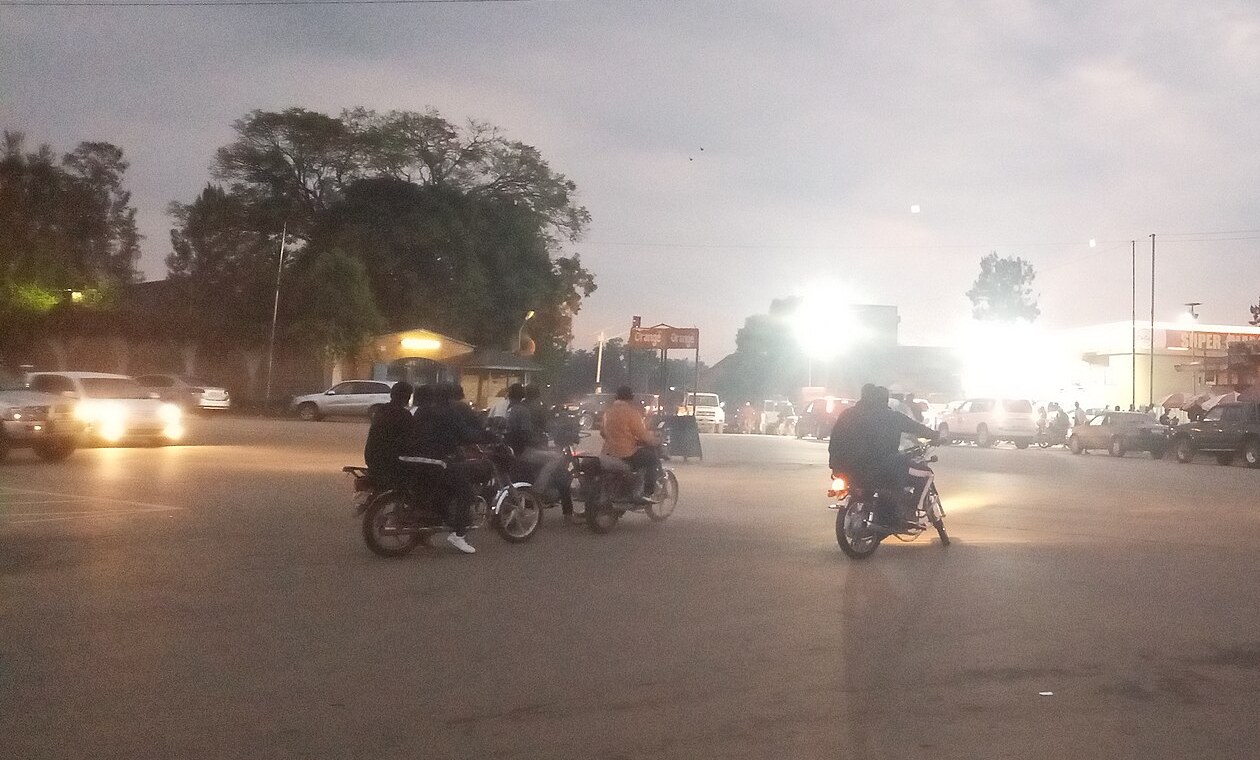
Fear of a new Ebola surge is rising in Bunia, the capital of Ituri, a province in northeast Congo, after community leaders in the Bankoko neighbourhood said that 26 people died there in nearly three weeks. Health services have not confirmed the figure or the cause, so the claim remains unproven on Friday 30 October 2026.
The wider outbreak is real, because Congo, formally the Democratic Republic of the Congo, has reported 10,193 confirmed Ebola cases and 4,960 deaths as of 28 October, including 7,278 cases and 3,407 deaths in Ituri, the European Centre for Disease Prevention and Control (ECDC), the European Union’s health agency, says. The virus is Bundibugyo, an Ebola species with no approved vaccine or treatment, according to the World Health Organization (WHO), the United Nations health agency.
For US readers the issue is travel, because the United States bars anyone who has been in Congo in the past 21 days from US-bound commercial flights. A report on 28 October covered how Ebola alerts spread beyond Nigeria, and this one turns to Congo’s own epicentre.
In Plain English
Ituri is a province in northeast Congo, Bunia is its capital, and Bankoko is a neighbourhood inside it. A health zone is the local district that runs clinics and outbreak response.
A confirmed Ebola case needs a laboratory test, while a suspected case only matches the symptoms. Bundibugyo is one of three viruses known to cause large Ebola outbreaks.
What Happened in Bankoko
Community leaders in Bankoko gave the figure of 26 deaths as of Wednesday 28 October and linked them to contact with one body before a burial. The chief medical officer of the Bunia health zone did not confirm their numbers and said measures are being taken to prevent a possible spread of the disease.
The WHO notes that early Ebola symptoms are easily confused with malaria and typhoid fever, so only a laboratory test can settle the question. As of Friday 30 October 2026, the health authorities have published no test result for the Bankoko deaths.
Where the Outbreak Stands
Congo declared its 17th Ebola outbreak in mid-May, and the WHO ruled on Sunday 17 May 2026 that it is a public health emergency of international concern, though not a pandemic emergency. It rated the risk in Congo as very high in August, and an explainer on how the outbreak grew gives the background.
In the nine days to 27 October, Ituri added 318 confirmed cases and 190 deaths, about half of Congo’s new cases, and 28 of its 36 health zones have reported cases. A vaccine trial named Tumaini began in Bunia on Friday 23 October, but it tests candidates that are not yet approved against this strain.
Why It Matters
Ebola spreads through contact with the body fluids of the sick and the dead, and the WHO says burial ceremonies with direct contact with the body can add to transmission. The WHO advises watching each contact of a confirmed case for 21 days, and one unsafe burial can seed new cases up to three weeks later.
The region is already on alert, because Nigeria reported a case on Tuesday 20 October and flew its patient to Switzerland on Monday 26 October. Kenya had recorded nine cases including two deaths as of 26 October, ECDC says.
What Prediction Markets Say
Polymarket, an online prediction market, puts the chance that the WHO describes Ebola as a pandemic in 2026 at 3%, with US$808,161 traded as of 4:20 a.m. ET on 30 October 2026. The contract pays out only if the WHO itself uses the word in an official communication, and a global health emergency alone does not count.
Why we show this: prediction markets turn real-money bets into a live probability that moves within minutes of the news, which is why investors, campaigns and newsrooms in the United States now follow them closely. We show them next to polls and official results, never instead of them.
What It Means for You
The US Centers for Disease Control and Prevention (CDC), the national public health agency, rates Ituri and North Kivu at Level 4, its avoid-all-travel tier, unless the trip is humanitarian or emergency response work. Anyone who has been in Congo in the previous 21 days cannot board a commercial flight to the United States, and that includes US citizens.
After 11:59 pm Eastern Standard Time on Tuesday 3 November 2026, CDC says passengers boarding international flights to the US must attest they were not in Congo in the previous 21 days. CDC puts the risk to the American public at low and says no case linked to this outbreak has been reported in the United States.
What Is Not Known
No official source confirms that Ebola caused any of the Bankoko deaths, and no laboratory result has been published. The figure of 26 still has to be verified by health services.
It is also unclear whether Bunia is seeing a rebound, because the ECDC update gives totals for Ituri and not for the Bunia health zone. A positive test would trigger the standard response of isolation, contact tracing and safe burials.
Frequently Asked Questions
Has Ebola been confirmed in Bankoko?
Health services have not confirmed it as of Friday 30 October 2026. Community leaders report 26 deaths, but only a laboratory test can show whether Ebola was the cause.
How many people have died of Ebola in Congo?
Congo has reported 4,960 deaths among 10,193 confirmed cases as of 28 October, including 3,407 deaths in Ituri. The figures cover data to 27 October and are under continuous review.
Can Americans travel to Congo?
CDC advises against all travel to Ituri and North Kivu provinces unless the trip is humanitarian or emergency work. Anyone who has been in Congo in the past 21 days cannot board a commercial flight to the United States.
Is there a vaccine for this Ebola strain?
No vaccine or treatment is approved for the Bundibugyo strain, the WHO says. A trial named Tumaini began in Bunia on 23 October to test candidate vaccines, including Ervebo, which is licensed for the Zaire species.
Sources: European Centre for Disease Prevention and Control, Ebola Bundibugyo update, 29 October 2026; US CDC, Ebola Outbreak: Current Situation, updated 29 October 2026; US CDC, Level 4 travel health notice for Ituri and North Kivu; WHO, statement of 22 May 2026 on the first Emergency Committee meeting; WHO, statement of 24 August 2026 on the second meeting; WHO, Ebola disease fact sheet; Congo Ministry of Public Health.
This article was produced by The Rio Times’ automated newsroom system. How we use AI · Report an error · Editorial responsibility: Matthias Camenzind, Editor-in-Chief