
France has a strike calendar for the next week, and it starts on Friday, when dockers plan to stop work at 24 ports. This sits inside the wider why France is in crisis story that has put hundreds of thousands of people on the streets.
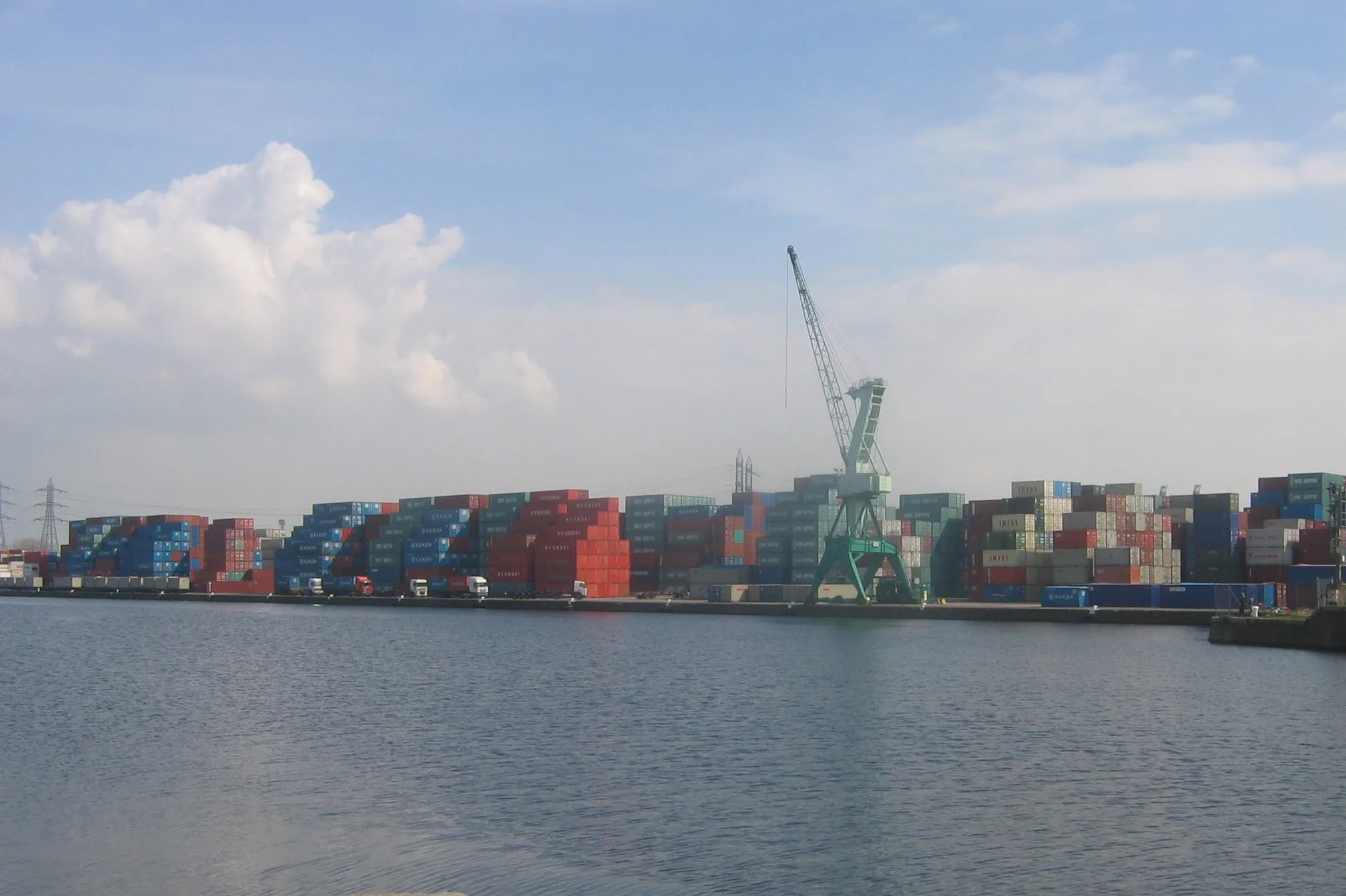
The General Confederation of Labour (CGT), France’s biggest union group, has called a 24-hour dockers’ strike for Friday, Oct. 30, at ports including Le Havre, Dunkirk and Marseille-Fos. Tony Hautbois, head of the CGT dockers, said ports will be “95% at a standstill”, which is a union forecast and not a verified figure.
Key Facts
- Friday, Oct. 30: the CGT dockers call a 24-hour strike at 24 French ports, including Le Havre and Marseille-Fos.
- Saturday, Oct. 31: Yellow Vest groups, a 2018 cost-of-living protest movement, plan rallies and sit-ins.
- Thursday, Nov. 5: five union confederations plan a national strike over wages, pensions and budget cuts.
- Not known: the strike’s start hour and how much cargo will actually stop.
This story is part of our coverage of the why France is in crisis. Dates, times and how to follow it are in our guide.
Latest: French Ports Face 95% Strike Hit
Why a Port Strike Matters Abroad
Le Havre, Dunkirk and Marseille-Fos are among France’s largest ports. A full day of lost activity there would delay containers, fuel and cars moving between France and the rest of the world, including shipments with U.S. links.
The CGT says it represents nearly 90% of dockers, and about 14,000 port workers are affected. The union also objects to what it calls the militarisation of port infrastructure, alongside the budget fight.
The Weekend and the Nov. 5 Strike
Yellow Vest groups have called gatherings for Saturday, Oct. 31, at 2 p.m. local time, including sit-ins outside town halls and the National Assembly, France’s lower house of parliament. No single national organiser, venue list or official authorisation covers every event.
Five union confederations (CFDT, CGT, FO, Unsa and FSU) have called a national strike for Thursday, Nov. 5. They are protesting wages, pensions, public services and proposed budget cuts of about €54 billion (about US$60 billion at the European Central Bank rate of 1.113 on Oct. 29).
Where the Protests Stand
On Saturday, Oct. 24, the Interior Ministry, which runs France’s police, counted 410,000 protesters, including 110,000 in Paris. The CGT estimated nearly 800,000 nationwide and 250,000 in Paris.
About 70,000 police and gendarmes were deployed that day. The ministry’s updated count was 1,435 arrests and 267 officers injured, after provisional figures of 1,314 arrests and 53 injured.
The weekend before, on Oct. 17, the ministry counted 550,000 protesters, 2,397 arrests and 997 injured officers. Turnout, arrests and injuries were all lower on Oct. 24 than a week earlier, though the CGT’s turnout figure was far above the official one.
Prime Minister Sébastien Lecornu has rejected a curfew for all of Paris but asked regional prefects, the state’s local representatives, to impose limited local curfews where needed. Interior Minister Laurent Nuñez has led the government’s security briefings.
Talks between the government and unions on Oct. 21 produced no major concessions, according to the CGT. Union leaders then moved towards the Nov. 5 strike.
What It Means for You
If you ship goods through French ports or travel to France this week, expect uncertainty on Friday and check with carriers and airlines before you move. Companies with French operations should watch union notices and ministry statements for how far the Nov. 5 strike reaches into rail, air travel, energy and schools.
France is on Central European Time (UTC+1). On Oct. 30 and 31 it is five hours ahead of U.S. Eastern Daylight Time and eight hours ahead of Pacific Daylight Time; after U.S. clocks change on Nov. 1 the gaps become six and nine hours.
What Is Not Known
The exact start time of the port strike has not been confirmed. Nor is it known which of the 24 ports will see full stoppages, or whether the government will offer concessions before Nov. 5.
The turnout gap between the ministry and the CGT on Oct. 24 remains unresolved. No opinion poll or prediction-market price is available to show how the public or traders expect the dispute to end.
Frequently Asked Questions
When is the next France strike?
Dockers at 24 ports are set to strike for 24 hours on Friday, Oct. 30. Five union confederations plan a national strike on Thursday, Nov. 5.
How many people protested on Oct. 24?
The Interior Ministry counted 410,000 nationwide, including 110,000 in Paris. The CGT union estimated nearly 800,000.
Published Thursday, Oct. 29, 2:22 p.m. ET (7:22 p.m. in Paris) · Source: French Interior Ministry, CGT, Prime Minister’s office, European Central Bank.
This article was produced by The Rio Times’ automated newsroom system. How we use AI · Report an error · Editorial responsibility: Matthias Camenzind, Editor-in-Chief
France in Turmoil
- Why France Is in Crisis, and How Macron Lost His Grip
- Why Is France Protesting? Riots, Curfews and the 2027 Race
- Is It Safe to Travel to France Right Now? Curfews, Strikes
- Who Will Win France’s 2027 Election? Polls and Odds