Ebola in Congo Passes 7,000 Cases as Countries Close Borders
DR CONGO · EBOLA
Key Facts
- —Where The Democratic Republic of Congo, a country the size of western Europe with almost no paved roads between its provinces.
- —What is happening Its seventeenth Ebola outbreak, and by some distance its worst.
- —How big The government counted 7,022 cases and 3,398 deaths to 10 September. Close to half of those infected have died.
- —The strain Bundibugyo, a rarer cousin of the Ebola virus that killed 11,000 people in West Africa a decade ago.
- —Why that matters The existing Ebola vaccine does not work on it. There is no licensed vaccine for this strain.
- —If you travel Thirty countries now screen arrivals. Anyone who has been in the DRC in the past 21 days cannot board a flight to the United States.
Half the people who catch this strain of Ebola die. The vaccine that stopped the last Congolese outbreak does not work on it.
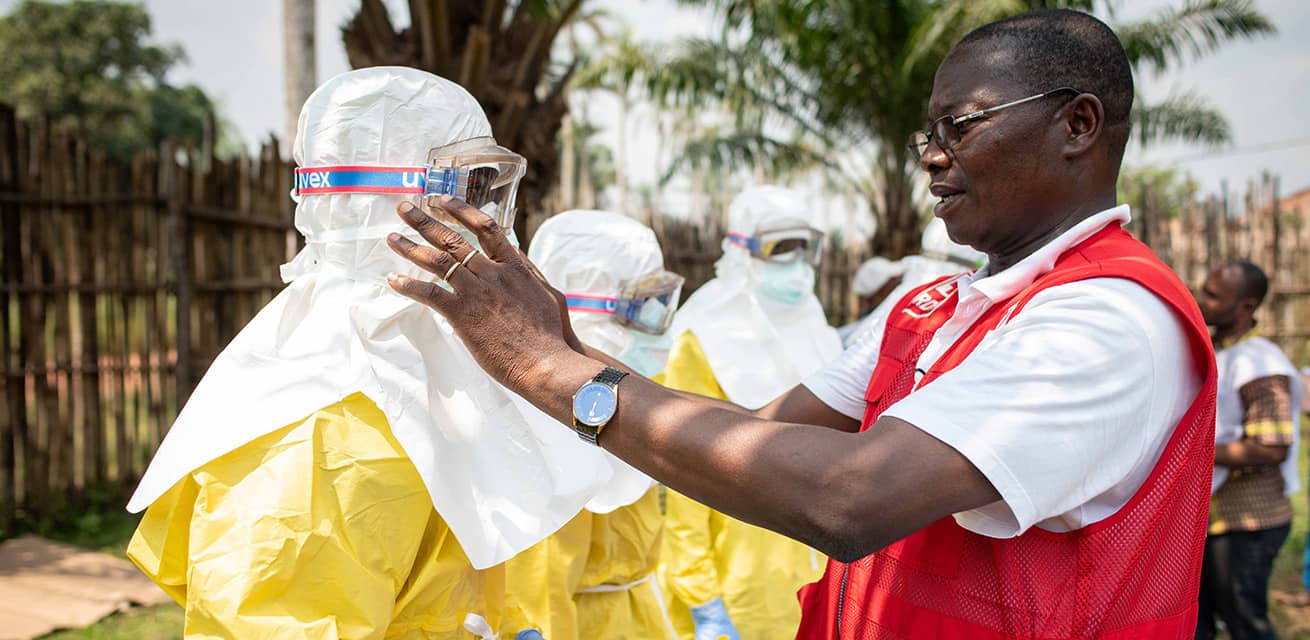
The Democratic Republic of Congo has recorded more than 7,000 Ebola cases and nearly 3,400 deaths. It is the worst outbreak the country has had, and the world is responding by locking it out.
Three Counts, All Real
Three different tallies are in circulation this week, and the gap between them is a matter of dates rather than dispute.
The Congolese government published 7,022 cases and 3,398 deaths on 11 September, with the data running to 10 September. Another 837 people were in isolation or treatment.
The World Health Organization published 6,757 confirmed cases and 3,267 deaths, current to 7 September. It counts only laboratory-confirmed cases and validates them, which takes days.
The European disease agency, working to 12 September, has 7,200 cases and 3,475 deaths.
All three describe the same epidemic at slightly different moments. The case fatality rate sits a little above 48% in every version.
The Virus Is the Wrong One
Ebola is not a single virus. This outbreak is caused by Bundibugyo, first identified in Uganda in 2007 and rarely seen since.
That distinction decides almost everything about the response. The licensed vaccine, Ervebo, protects against the Zaire strain only.
In Congo it is being used purely under a research protocol rather than as a public health tool. About 2,007 health workers had been vaccinated across three provinces by 6 September.
Candidate vaccines from IAVI, Moderna and Oxford are being pushed through accelerated development. None is approved.
The World Health Organization declared the outbreak a public health emergency of international concern on 16 May.
Where It Is
Six provinces were affected until last week: Bas-Uélé, Haut-Uélé, Ituri, North Kivu, South Kivu and Tshopo.
Ituri has been hit hardest by a wide margin, with 5,406 cases. It is also one of the provinces where armed groups operate freely.
A seventh province joined the list in the past few days. Sud-Ubangi, in the north-west, recorded its first case in a 23-year-old man who had travelled from South Kivu.
That jump across the country is the development the epidemiologists were dreading. Sixty-two health zones are now involved.
What the Director-General Said in August
On 12 August, at a briefing in Geneva, WHO Director-General Tedros Adhanom Ghebreyesus set out the trajectory.
At its current pace, he said, the outbreak was on track to eclipse the West Africa Ebola outbreak of 2014 to 2016.
That epidemic killed about 11,300 people across Guinea, Liberia and Sierra Leone, from roughly 28,000 cases.
When he spoke, Congo had recorded just over 2,000 deaths. A month later it has 3,398.
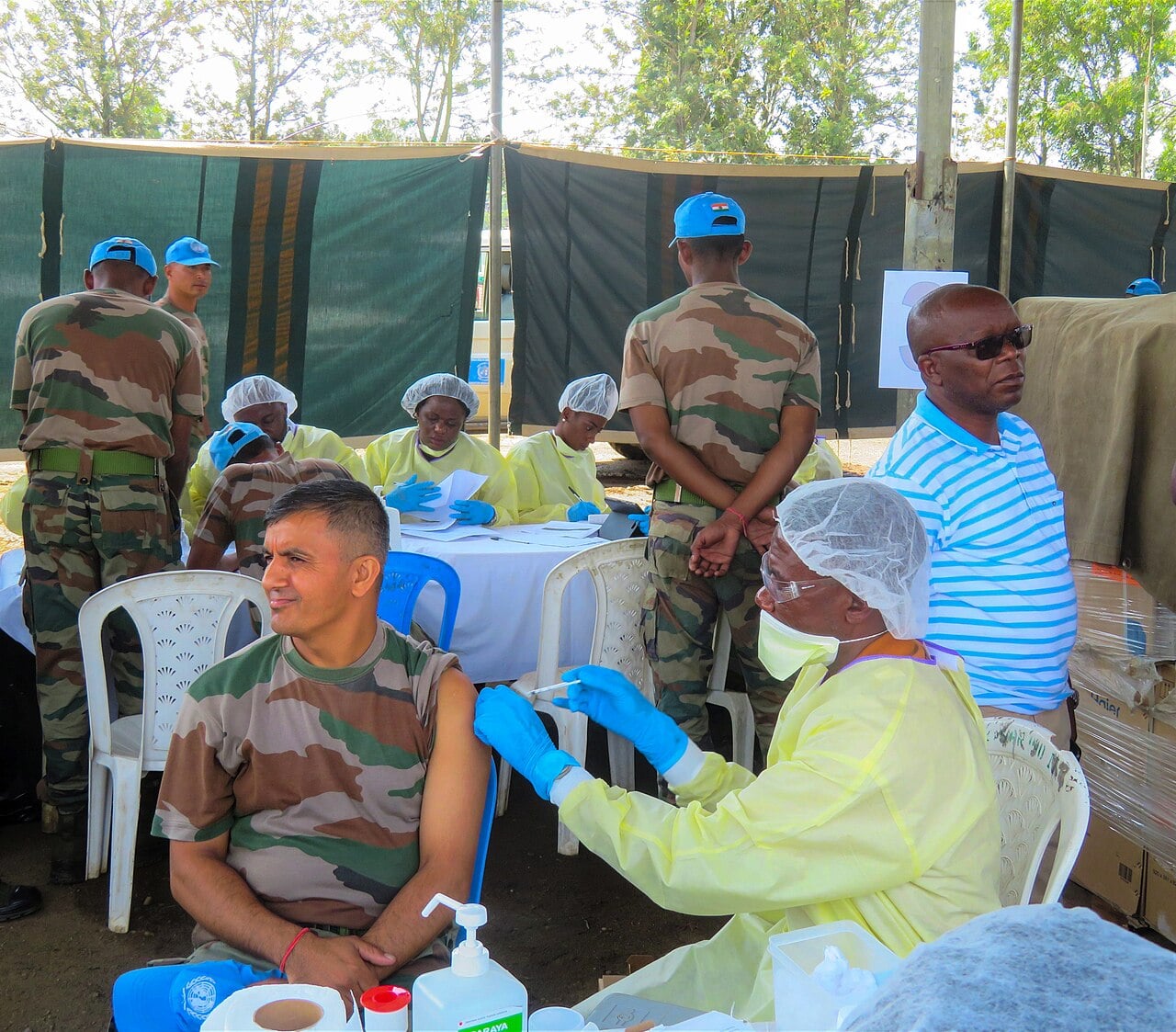
The Border Response Goes Further Than the Advice
The United States now bars anyone who has been in the DRC within 21 days from boarding a commercial flight. Arrivals from Uganda and South Sudan are funnelled through three airports.
Those are Dulles, Atlanta and John F. Kennedy, where passengers face temperature checks, symptom screening and 21 days of automated text monitoring.
The American travel notice for Congo sits at Level 3, reconsider non-essential travel. The United States and Canada have suspended visas for nationals of Congo, Uganda and South Sudan.
More than thirty countries have introduced enhanced screening at airports and ports.
The World Health Organization advises against any restriction of travel to or trade with affected countries. Its own guidance is being ignored by most of its members.

What It Means for Anyone in the Region
Uganda has recorded 20 cases and two deaths. France has recorded one case and Germany two, all linked to travel.
For foreign residents and travellers across East and Central Africa, the practical effect is at the airport rather than in the street.
Screening adds hours. Visa suspensions have stranded people with valid documents. Airlines have been adjusting routes with little notice.
The medical risk to someone outside the affected provinces remains low. The administrative disruption is now substantial and is spreading faster than the virus.
What Would Change the Picture
A licensed Bundibugyo vaccine is the only thing that turns this into a manageable outbreak. The accelerated trials are the number to watch.
The other variable is Ituri. Vaccination and contact tracing in a province with an active insurgency is the hardest public health job on earth.
The Congolese government publishes daily. The World Health Organization publishes roughly weekly. Between those two rhythms, the gap in the numbers will keep reappearing.
More: Africa news and analysis, every day from The Rio Times.
Frequently Asked Questions
How many Ebola cases are there in Congo?
The government reported 7,022 cases and 3,398 deaths to 10 September 2026. The WHO counted 6,757 confirmed cases to 7 September.
Why do the counts differ?
The government publishes daily and includes probable cases. The WHO publishes validated confirmed cases with a lag of several days.
Is there a vaccine?
Not a licensed one for this strain. The approved Ebola vaccine works against the Zaire strain, and this outbreak is Bundibugyo.
How deadly is it?
Just over 48% of confirmed cases have died.
Which areas are affected?
Seven provinces, with Ituri hardest hit at 5,406 cases. Sud-Ubangi in the north-west was added in September.
Can I still travel there?
Travel is heavily restricted. The United States bars boarding for 21 days after leaving the DRC, and over thirty countries screen arrivals.
Sources: World Health Organization Disease Outbreak News 617, DRC Ministry of Health, US Centers for Disease Control, ECDC, Al Jazeera, Xinhua.
This article was produced by The Rio Times’ automated newsroom system. How we use AI · Report an error
Read More from The Rio Times