DR Congo Police Break Up Constitution Protests
DR CONGO · POLITICS
Key Facts
- —Which Congo The Democratic Republic of the Congo, capital Kinshasa. Not its smaller neighbour across the river, the Republic of the Congo.
- —What happened Police used tear gas and fired warning shots to disperse opposition protests on Tuesday 15 September.
- —Where Kinshasa, Lubumbashi and Uvira. Al Jazeera reports at least ten people arrested.
- —What the protest is about A referendum law that opponents say opens a route to a third term for President Félix Tshisekedi.
- —What the constitution says now Article 220 bars any revision of the presidential term limit, which is two terms of five years.
- —Where the law stands Parliament adopted it in June and the Constitutional Court upheld it in late July. No referendum date has been set.
Congolese police fired tear gas at protesters in three cities on Tuesday. The argument is about how long one man can stay president.
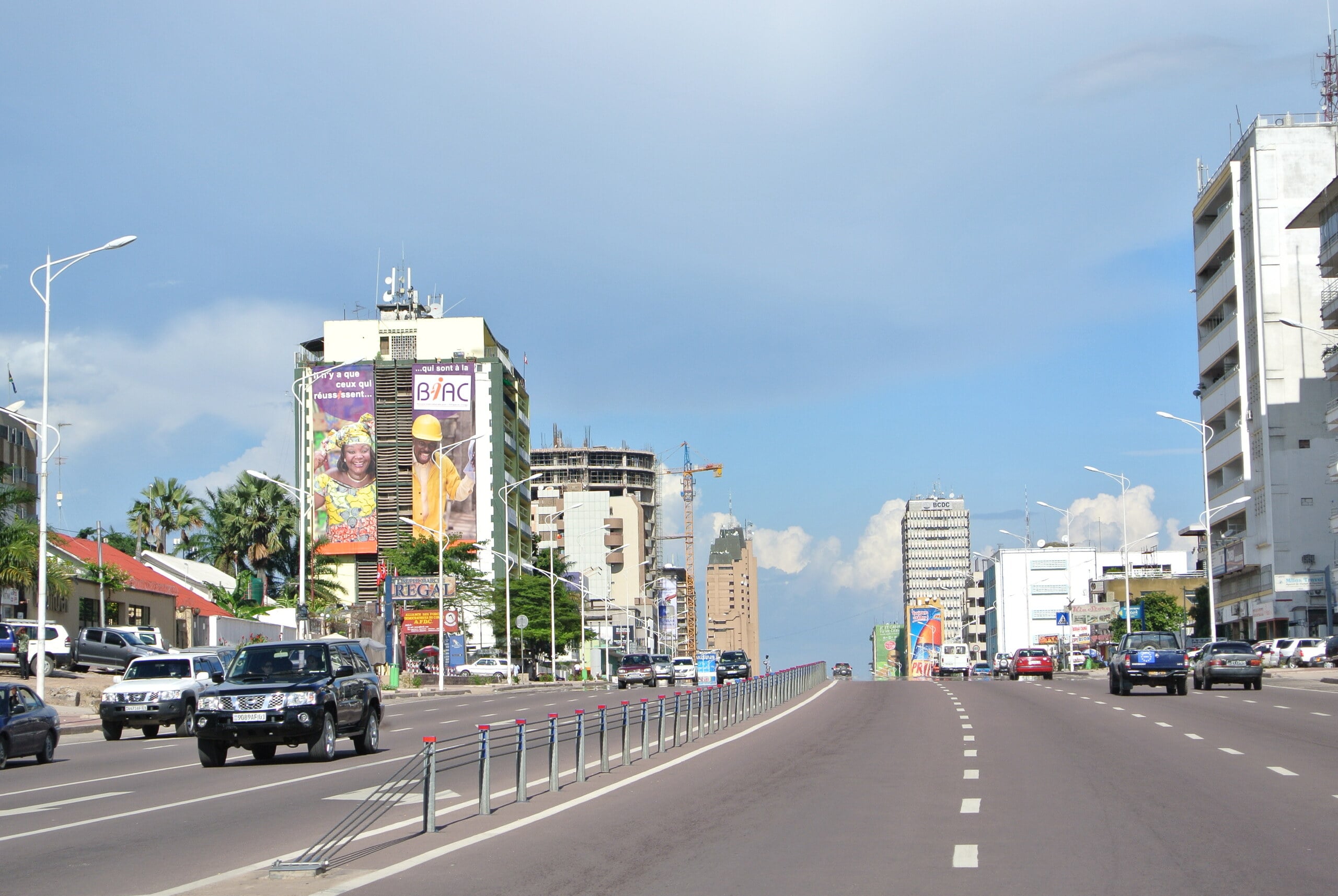
Police in the Democratic Republic of the Congo dispersed opposition protests in several cities on Tuesday 15 September. They used tear gas and warning shots. The protests oppose a referendum law that critics say could extend presidential term limits.
What Happened on Tuesday
Several hundred people took part in the Kinshasa protest, according to Reuters.
Police used tear gas and fired warning shots. Al Jazeera reported at least ten arrests.
Protests also took place in Lubumbashi, the mining capital in the south-east, and in Uvira in South Kivu.
Reporters also described clashes with pro-government supporters who threw stones and carried machetes.
What Each Side Said
Government spokesperson Patrick Muyaya said the right to protest is recognised in the constitution but must be exercised properly.
The provincial police commander, General Blaise Kilimbalimba, said only demonstrators who were not peaceful were arrested.
Mohamed Eyenga of the Envol party, a senior figure in the opposition coalition, said many activists were arbitrarily arrested.
The opposition leader Martin Fayulu said the Congolese state is working with a political party militia.
Who Is Protesting
The demonstrations were called by Coalition Article 64, known as C64, named after the constitutional article on resisting unlawful power.
It brings together Martin Fayulu, the businessman and former Katanga governor Moïse Katumbi, Delly Sesanga and Jean-Marc Kabund.
These are the principal opposition figures of the past two presidential elections.
The coalition has been organising against constitutional change since late 2024.
The Law They Are Protesting
Parliament adopted a referendum bill in June 2026.
The Constitutional Court upheld it in late July, while noting concerns about holding referendums on fundamental matters.
The law allows the constitution to be amended through a constituent assembly and a referendum. The trigger is a major dysfunction of state institutions.
That phrase comes from the law itself. Who decides when a dysfunction is major is the question the opposition is raising.

Article 220
Article 220 of the Congolese constitution places the number and length of presidential terms beyond revision.
The limit is two terms of five years. Tshisekedi was first elected in 2018 and re-elected in December 2023.
A constituent assembly route would produce a new text rather than an amendment, which is how the term limit becomes reachable.
Congolese constitutional lawyers are divided on whether that is lawful.
What Tshisekedi Has Said
He has repeatedly denied seeking a third term.
In May 2026 he said he would accept another mandate if the Congolese people asked for it.
His office has not set a referendum date and has not published a draft text.
Both statements are on the record, and the opposition reads the second as the operative one.
Why June Still Matters
Human Rights Watch documented a crackdown on protests in Kinshasa on 12 June 2026 in a report published on 9 July.
More than a dozen protesters were injured, among them Fayulu, Sesanga, Kabund and Ados Ndombasi.
The National Human Rights Commission counted several dozen detained. Police, the Republican Guard and intelligence services were all involved.
That report is why Tuesday’s dispersal was watched closely rather than treated as routine.
What It Means for People There
For residents of Kinshasa, Lubumbashi and Uvira, protest days mean closed roads and a heavy police presence.
The eastern provinces carry a separate and more serious conflict involving armed groups, which is not what these protests are about.
Foreign residents and business travellers are generally unaffected outside the immediate protest routes.
Congolese civil society has organised peacefully around this question for two years, and most demonstrations have ended without injuries.
What to Watch
Whether a referendum date is announced, which would convert a legal argument into a campaign.
Whether those arrested on Tuesday are charged or released.
Whether C64 holds together, since its members were rivals in 2023.
And the mining provinces. Lubumbashi joining the protests is the signal that this has moved beyond the capital.
More: Africa news and analysis, every day from The Rio Times.
Frequently Asked Questions
Which Congo is this?
The Democratic Republic of the Congo, capital Kinshasa, led by President Felix Tshisekedi. Not the Republic of the Congo across the river.
What happened on 15 September?
Police used tear gas and warning shots to disperse opposition protests in Kinshasa, Lubumbashi and Uvira. At least ten arrests were reported.
What are the protests about?
A referendum law that opponents say opens a route to a third presidential term.
Does the constitution allow a third term?
No. Article 220 places the two-term limit beyond revision. The dispute is over whether a constituent assembly could produce a new text.
Has Tshisekedi said he will run again?
He has repeatedly denied it. In May 2026 he said he would accept another mandate if the Congolese people asked for it.
Who is organising the protests?
Coalition Article 64, which includes Martin Fayulu, Moise Katumbi, Delly Sesanga and Jean-Marc Kabund.
Sources: Reuters, Associated Press, Al Jazeera, Agence France-Presse, Human Rights Watch, Africanews.
This article was produced by The Rio Times’ automated newsroom system. How we use AI · Report an error
Read More from The Rio Times