Incidence of Diabetes in Brazilian Adults Grew 24 Percent in Decade, Says IBGE Survey
RIO DE JANEIRO, BRAZIL – A survey by the Ministry of Health in partnership with the Brazilian Institute of Geography and Statistics (IBGE) shows that, from 2008 to 2018, the diagnosis of diabetes increased by 24 percent among Brazilians aged 18 years and older, that is, it increased from 6.2 to 7.7 percent.

Among women, the number is even higher, reaching 8.1 percent of the female population, against 7.1 percent of men. Age is also a determining factor: from 45 to 54 years of age it is almost 10 percent, a rate that rises to 23 percent at 65 years of age or more.
According to ophthalmologist Leôncio Queiroz Neto of the Penido Burnier Institute, the disease can increase by up to 25 times the risk of definitive sight loss. The good news is that 88.7 percent of diabetics in Brazil undergo drug treatment to control the disease, according to the survey.
The bad news is that a survey conducted by Queiroz Neto shows that 47 percent of Brazilians between the ages of 25 and 65 only see an ophthalmologist when they feel some kind of difficulty to see. Most eye diseases do not show symptoms right at the beginning, he cautions. “Hyperglycemia predisposes to changes in the retina. That’s why it requires an early diagnosis in order to retain eyesight. The lack of regular eye monitoring leads to more than half of diabetics running the risk of blindness,” he explains.
Diabetic retinopathy
The specialist states that the longer a person lives with diabetes, even people with well-regulated blood glucose from medications and a balanced diet are at risk of contracting retinopathy. Therefore, those who are diagnosed with the disease should have their eyes examined annually. In the consultation, the specialist can see if the diabetes is causing any alteration in the retina, before the first symptoms, through the eye background exam. “The treatment can be performed with laser treatment, medication inside the eye and in some cases by the association of these two therapies. It prevents the irreparable loss of eyesight in 90 percent of cases,” he says.
Cataract
The doctor explains that glycemia deposits on the walls of the inner lens of the eye, combined with the glycemic fluctuations, common among diabetics, increase the development of free radicals, which are molecules that in excess damage the cells. That’s why diabetes doubles the risk of contracting cataracts, he says.
Appointed by the WHO (World Health Organization) as the largest cause of treatable blindness in the world, cataracts cause 49 percent of vision loss cases among Brazilians. It is generally associated with aging and the more it advances, the more difficult it is to see, until complete blindness.
The only treatment is surgery. The operation replaces the opaque lens with a transparent intraocular lens. It must be carried out before the complete opacity of the lens, particularly among diabetics. “If the disease is very advanced the ophthalmologist cannot see the changes in the retina. For those who have diabetes this can mean permanent eyesight loss”, he alerts.
Dry eye
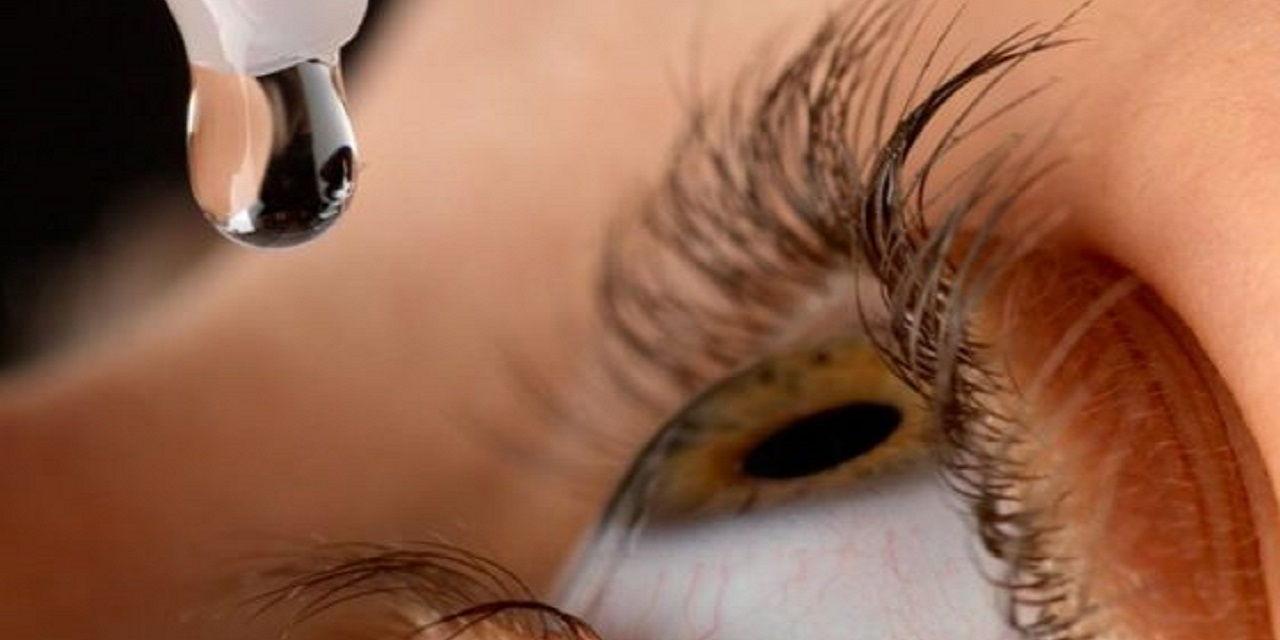
Queiroz Neto states that diabetes also leads to greater dryness of the tear ducts, which protect the surface of the eyes. The symptoms are redness, burning, blurred vision, itching and greater sensitivity to light. Symptoms are most frequent in periods of drought. The standard treatment for the syndrome, he explains, is the use of lubricant eye drops. But there is no point in using any one because formulas vary to act on one or more layers of the tear: aqueous, proteinic and lipid.
The doctor’s advice is to drink plenty of water and include omega-3 sources found in sardines, cod, salmon, and flaxseed in your diet. Pulsed light applications that stimulate the production of the lipid layer and therefore decrease the evaporation of the tear, are the last line of action to eliminate dry-eye discomfort, he states.
Source: IBGE
More: Brazil news in English, every day from The Rio Times.
Read More from The Rio Times