Brazil Media Explained, Owners, Trust and Platform Rules

GUIDES · BRAZIL
Key Facts
- —Country Brazil had 168.7 million internet users aged 10 and over in 2025, or 90.5 percent of that age group, per IBGE.
- —Press freedom Ranked 52nd of 180 countries in the RSF World Press Freedom Index 2026, with a score of 66.37. It was 63rd in 2025 and 110th in 2022.
- —Ownership Ten conglomerates owned by ten families share the market, according to RSF in 2026. The five biggest are Globo, Record, SBT, Bandeirantes and Folha.
- —Trust Trust in news overall fell to 36 percent, a 12-year low, in the Digital News Report published in June 2026.
- —Advertising Digital media took 40.6 percent of advertising spending in 2025, almost level with television at 41.3 percent, per the Digital News Report 2026.
- —Platform rules The Supreme Federal Court made platforms liable for some illegal posts without a court order in June 2025. A decree of 20 May 2026 added a duty of care.
Brazil media is dominated by a handful of family-owned groups, led by Globo. Yet more than half of adults get news weekly through social platforms, many run by US companies, which an active Supreme Court now polices. That mix shapes what Brazilians read and puts American tech firms at the centre of a trade dispute with Washington.
How Brazil Media Works at a Glance
Brazil has a commercial broadcasting tradition and a financially fragile public broadcaster. Its press is strong in São Paulo and Rio de Janeiro but thin elsewhere. The internet now reaches nine in ten people over the age of ten.
The Brazilian Institute of Geography and Statistics (IBGE), the national statistics office, counted 168.7 million internet users in 2025. Among them, 90.2 percent sent messages through apps and 89.3 percent watched videos online. That is why messaging groups and video channels now carry so much of the news.
The Digital News Report 2026 is an annual survey by the Reuters Institute at the University of Oxford. It found social media now leads television by nine points as a weekly news source, and one in three Brazilians follows news creators. Weekly use of AI chatbots for news reached 13 percent.
Television: Globo, Record, SBT and Band
Television remains the backbone of Brazil media, even as its share falls. The big commercial networks reach the country through local affiliates, some of them owned by regional families or politicians. The Media Ownership Monitor, a 2017 study by Reporters Without Borders and Intervozes, describes these affiliate contracts as the source of the networks’ national reach.
TV Globo and Grupo Globo
Grupo Globo, controlled by the Marinho family, grew from the Rio de Janeiro newspaper O Globo, founded in 1925. It owns TV Globo, the pay-TV news channel GloboNews, the CBN radio network and the newspapers O Globo and Extra. In the 2017 monitor, nine of the 50 most-consumed news outlets belonged to Globo, more than any other group.
Its evening bulletin, Jornal Nacional, is described by the Digital News Report as an influential news programme. Its long-time presenter William Bonner left the anchor desk in October 2025, ending a 29-year run.
RecordTV and the Universal Church
RecordTV, founded in São Paulo in 1953, was bought in 1989 by Edir Macedo and his wife, Ester Bezerra. Macedo founded the Universal Church of the Kingdom of God (IURD), a large evangelical church, in 1977. After the purchase, Record kept a commercial schedule and later added an online news portal.
SBT, Band and the News Channels
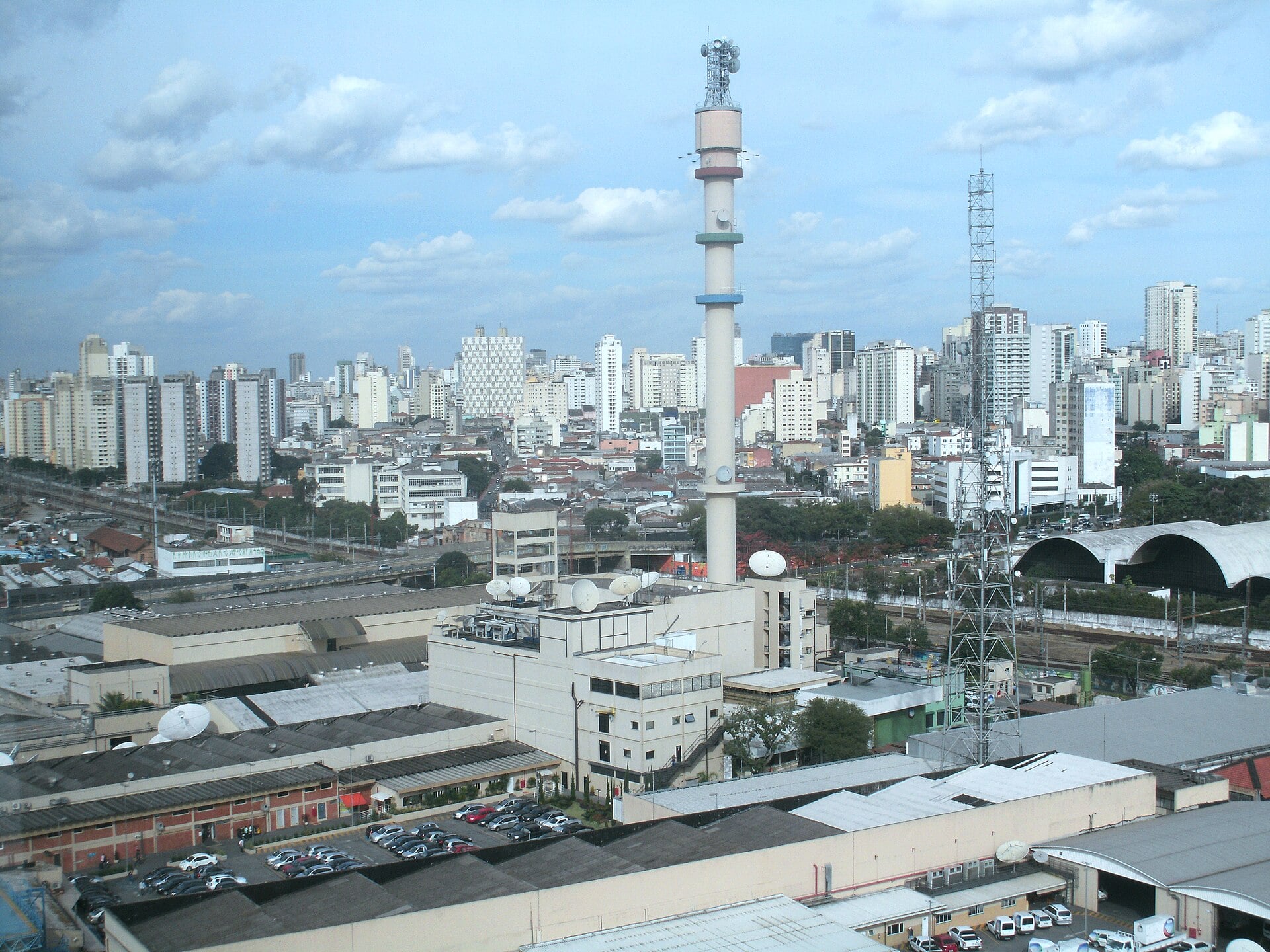
SBT was built by the entertainer Silvio Santos, who died in 2024 at the age of 93. The network is led by its president, Daniela Beyruti, and launched a free streaming news channel, SBT News, in December 2025. Grupo Bandeirantes, known as Band, belongs to the Saad family and runs the BandNews radio and pay-TV brands.
CNN Brasil, a 24-hour news channel, cut staff and programmes in mid-2025 before adding agribusiness and infrastructure coverage. Pay-TV advertising has nearly doubled in nominal terms over three years, which explains the rush of new news channels.
Public Media
Empresa Brasil de Comunicação (EBC), the federal public media company, runs TV Brasil, Rádio Nacional, the Agência Brasil news agency and A Voz do Brasil. That one-hour government radio programme must be carried by stations on weekdays. RSF says EBC still lacks lasting guarantees of independence from the government of the day.
Newspapers, Magazines and Digital Outlets
The Digital News Report names three dailies as newspapers of record. Folha de S.Paulo and O Estado de S. Paulo, known as Estadão, are based in São Paulo, while O Globo is based in Rio de Janeiro.
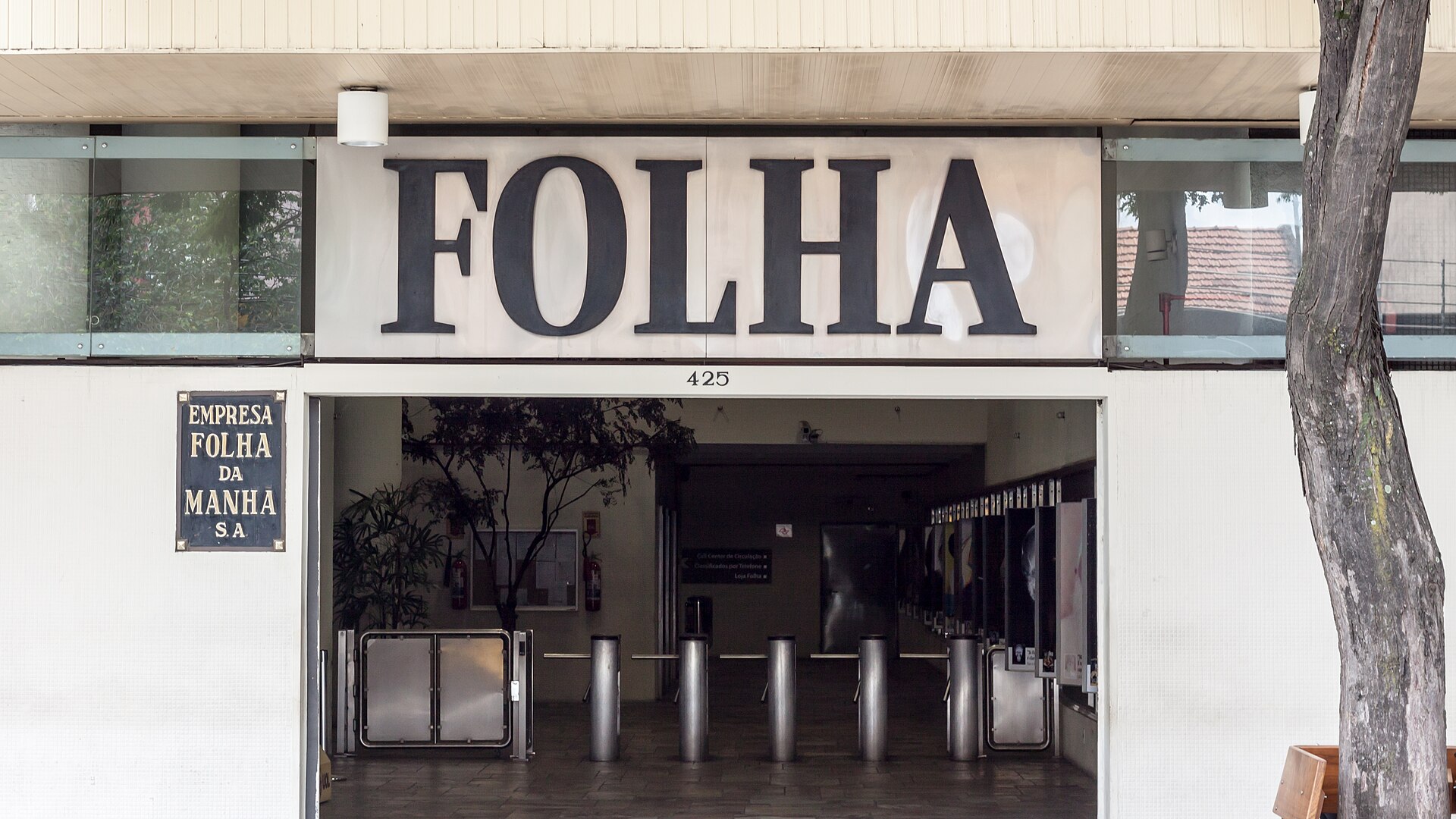
Folha belongs to Grupo Folha, controlled by the Frias family, which also owns the UOL portal and the Datafolha polling institute. Estadão traces its roots to 1875, and its modern history began when Julio Mesquita became sole owner in 1902.
Print is shrinking. The ten best-selling newspapers audited by the Instituto Verificador de Comunicação (IVC), the circulation auditor, sell slightly over one million paid copies a day. That figure excludes Folha and Estadão, which are no longer audited.
The Atlas da Notícia project, which maps local journalism, counts 122 print outlets closed since 2023, and many towns have no local news outlet at all. Only 15 percent of Brazilians paid for online news in the 2026 survey, down five points since 2023.
Online-only outlets keep multiplying, and financial influencers now compete with the business press. A 2025 study by Anbima, the capital markets association, mapped 904 active financial influencer profiles with a combined audience of 310 million. Folha sued OpenAI over its content, then dropped the case in late May 2026 after agreeing a licensing deal.
Who Owns Brazil’s Media
Ownership is concentrated and largely dynastic. RSF, the Paris-based press freedom group, says ten conglomerates belonging to ten families share the market. It describes a “near-incestuous relationship between political, economic and religious powers”.
The 2017 Media Ownership Monitor found that the 50 most-consumed outlets belonged to just 26 groups. Five of them controlled more than half of those outlets:
- Grupo Globo (Marinho family): nine outlets.
- Grupo Bandeirantes (Saad family): five outlets.
- Edir Macedo, counting Grupo Record and the Universal Church: five outlets.
- Grupo RBS, a regional-scale group: four outlets.
- Grupo Folha (Frias family): three outlets.
The same study found nine of the 50 outlets were owned by religious leaders, all of them Christian. It also flagged politicians who own radio and TV stations through affiliates, despite a legal ban. Many groups also hold interests in education, finance, real estate and agribusiness, which RSF says creates conflicts of interest.
Press Freedom and Journalist Safety
Brazil has climbed fast in the RSF index, from 110th in 2022 to 52nd in 2026. RSF credits the return of normal relations between government and press after Jair Bolsonaro, the conservative former president whose term ended in 2022. It says his government turned disinformation and hostility to the media into instruments of governance.
Under President Luiz Inácio Lula da Silva of the left-wing Workers’ Party, in office since 2023, RSF reports no journalist killed because of their work. The government created a National Observatory on Violence against Journalists in 2023. RSF says it still struggles to work as an effective monitoring body.
The longer record is grim. RSF counts at least 30 journalists murdered in the past decade, making Brazil the second-deadliest country in the region for reporters over that period. The British reporter Dom Phillips was killed in the Amazon in 2022 while investigating environmental crimes.
Most at risk are bloggers, radio hosts and independent reporters in small towns who cover local corruption. RSF also flags lawsuits used to harass journalists, court decisions that tested source confidentiality and rising online abuse of women reporters.
Social Media, WhatsApp and the Courts
Much of that traffic runs through platforms owned by US companies, such as Meta’s WhatsApp and Instagram, Google’s YouTube and X. RSF says the scale of disinformation on them continues to poison public debate. Trust in news fell to 36 percent in the 2026 survey, and 47 percent say they sometimes or often avoid the news.
The Supreme Federal Court (STF), the top constitutional court, has become the main referee of online speech. On 30 August 2024, Justice Alexandre de Moraes ordered X suspended nationwide after the company defied orders to block accounts. X returned on 8 October 2024, after paying the fines and meeting the court’s demands.
The so-called fake news bill, PL 2630/2020, borrowed from the European Union’s Digital Services Act. It was shelved after strong resistance from lawmakers and big tech firms. An artificial intelligence bill passed the Senate in December 2024 but still awaits a final vote in the Chamber of Deputies.
Platform Rules: What Changed in 2025 and 2026
Three changes within a year reshaped the rules for platforms operating in Brazil. Each one tightened what companies must remove and how they must respond to complaints.
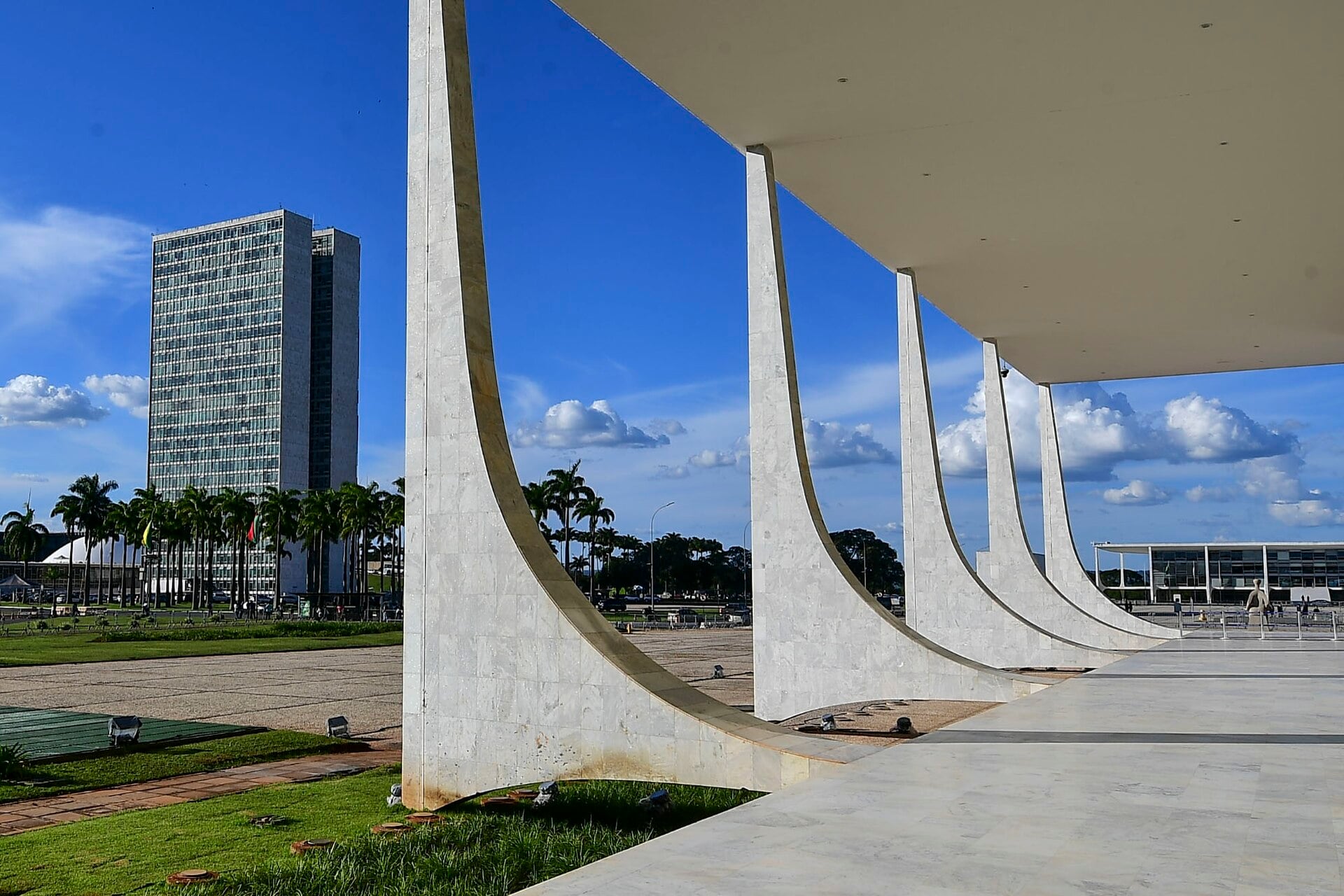
- 26 June 2025: the STF ruled by 8 votes to 3 that Article 19 of the 2014 Marco Civil da Internet, the internet law, was partly unconstitutional. Platforms can now be liable after a simple notice for listed serious content, such as anti-democratic acts, terrorism and child sexual abuse material. Crimes against honour, such as defamation, still need a court order.
- 17 March 2026: the Digital Statute of Children and Adolescents, Law 15,211 of 17 September 2025, came into force. It requires age checks and stricter moderation for minors.
- 20 May 2026: Decree 12,975 updated the internet law’s regulations. It sets a duty of care against “systemic failure” to remove illegal content and requires a legal representative in Brazil. The national data protection authority (ANPD) is in charge of enforcement.
The decree took effect 60 days after publication and leaves removal deadlines to the regulator. Elections add pressure. The Superior Electoral Court (TSE) runs the free campaign broadcasts on radio and TV and polices disinformation, with the presidential runoff scheduled for 25 October 2026.
What It Means for US Readers
For US investors, the main exposure is through American platforms rather than Brazilian media stocks. Meta, Alphabet and X face notice-and-takedown liability, an in-country representative rule and supervision by the data authority. That raises legal risk in a market of 168.7 million internet users.
On 15 July 2026, the US Trade Representative announced a 25 percent tariff on certain Brazilian goods under Section 301 of the Trade Act. It cited digital trade among other areas, turning platform rules into a trade issue. Trade Representative Jamieson Greer accused Brazil of “punishing U.S. technology companies for refusing to censor political speech”.
Travellers and expats should rely on established outlets such as Globo, Folha, Estadão and Agência Brasil. Treat forwarded WhatsApp messages with caution. Court-ordered blocks can also hit apps without warning, as the 2024 X suspension showed.
Connected Coverage
Who Dominates Brazil, Elites and Regions Explained
Lula Signs Decrees Making Big Tech Liable Without a Court Order
Lula Campaign Accuses Meta of Bias 15 Days Before Vote
X Turns Brazil’s Free Speech Fight Into a U.S. Trade Dispute
What Is Not Known
It is not known how strictly the ANPD will enforce the May 2026 decree, or what removal deadlines it will set. No major fine under the new duty of care has been published.
It is unclear whether the next government will keep the current platform rules or the progress RSF recorded on journalist safety. RSF warns of a risk of regression after the 2026 election.
It is also not known whether the US tariff will be widened, narrowed or lifted in talks. Audited circulation for Folha and Estadão is not public, so the true size of Brazil’s print readership is uncertain.
Frequently Asked Questions
Who owns the biggest media groups in Brazil?
RSF says ten family-owned conglomerates share the market. The five biggest are Globo (Marinho family), Record (Edir Macedo), SBT (founded by Silvio Santos), Bandeirantes (Saad family) and Folha (Frias family).
Where does Brazil rank for press freedom?
Brazil ranked 52nd of 180 countries in the RSF World Press Freedom Index 2026, with a score of 66.37. It was 110th in 2022.
Do Brazilians trust the news?
Only 36 percent said they trust most news most of the time in the Digital News Report 2026, a 12-year low. Nearly half say they sometimes or often avoid the news.
Can social media platforms be held liable for posts in Brazil?
Yes. Since a Supreme Federal Court ruling on 26 June 2025, platforms can be liable after a notice for serious illegal content. Crimes against honour such as defamation still require a court order.
Who enforces the new platform rules?
Decree 12,975 of 20 May 2026 put the national data protection authority, the ANPD, in charge of supervising platform duties under the internet law.
Why was X blocked in Brazil?
Justice Alexandre de Moraes suspended X on 30 August 2024 after it defied court orders to block accounts. It returned on 8 October 2024 after paying fines.
Sources: RSF, Brazil country profile and 2026 index; RSF, press freedom under Lula, 2 October 2026; Digital News Report 2026, Brazil; Digital News Report 2025, Brazil; IBGE, internet use in 2025; Media Ownership Monitor Brazil; Agência Brasil, STF ruling on platforms, 26 June 2025; Agência Brasil, X unblocked, 8 October 2024; Planalto, Law 15,211/2025; Planalto, Decree 12,975/2026; USTR, Section 301 action on Brazil, 15 July 2026; TSE, 2026 electoral calendar; SBT News, Daniela Beyruti award, 28 August 2026. All accessed 11 October 2026.
Editorial responsibility: Matthias Camenzind, Editor-in-Chief · Editorial standards · Report an error