
VENEZUELA · BORDER SECURITY
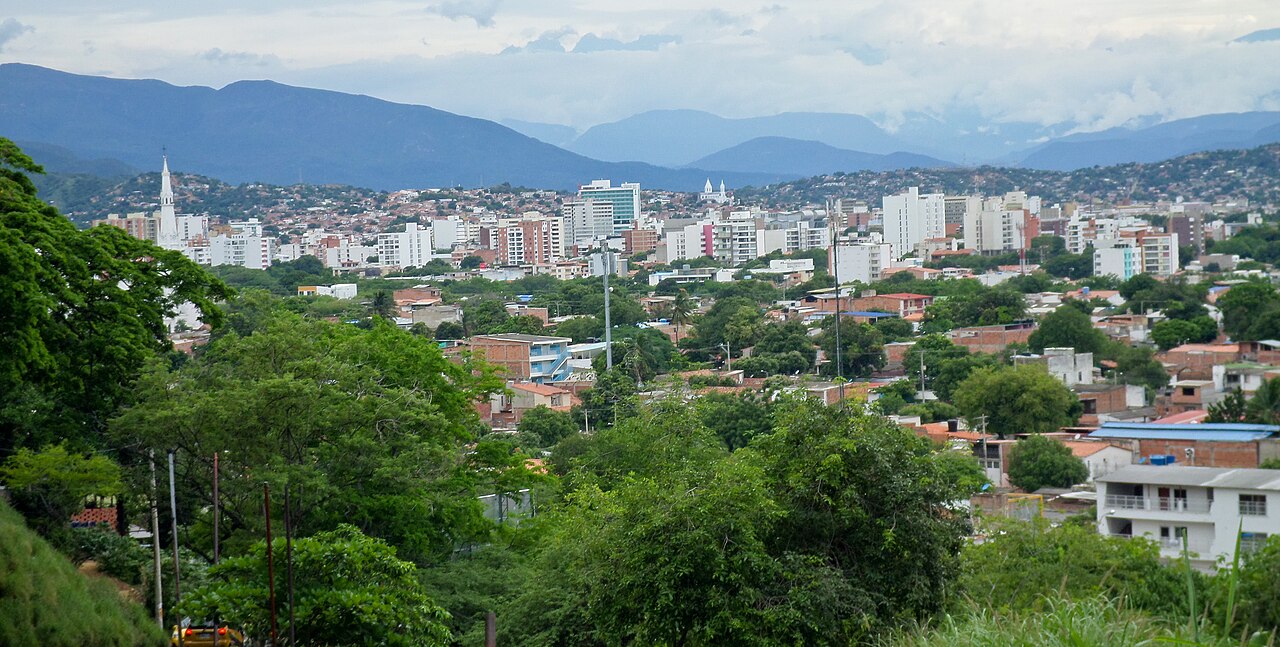
In Cúcuta, the Colombian city at the main land crossing into Venezuela, two killings and a bomb blast in two days ended with a presidential order to put soldiers on the streets. President Abelardo de la Espriella, Colombia’s conservative leader since August 2026, gave the order on Thursday 29 October, and an operation began on 3 November.
The border war is older than this week’s violence: the ELN (National Liberation Army, a Colombian guerrilla group) and the Frente 33 (a dissident faction of the former FARC rebels, the Revolutionary Armed Forces of Colombia) have fought since 16 January 2025 in nearby Catatumbo, a region of Norte de Santander, a Colombian department on the Venezuelan border. For US readers, Cúcuta is the main land crossing between the two countries, and Colombia is a US security partner and a travel destination; see our Venezuela coverage.
Key Facts
- What Armed violence around Cúcuta, Colombia’s main land crossing to Venezuela, prompted a temporary military deployment.
- Why The Defensoría, Colombia’s human rights ombudsman, counts 101,587 displaced in Catatumbo, a border region, in 2025.
- Unknown Who set off the 27 October blast or killed Miguel Castellanos, a former Cúcuta official.
- Venezuela As of 16 November neither government has confirmed a reported 30 October strike on an Apure guerrilla camp.
- Power Index Venezuela ranks 12th of 14 in The Rio Times Latin America Power Index, with 29.4 points (November 2026 edition).
Colombia’s government has sent the military into Cúcuta after two killings and a blast. Who is behind it, and what happened across the border, is not confirmed.
In Plain English
ELN stands for National Liberation Army, a Colombian guerrilla group. Frente 33 is a dissident faction of the former FARC rebels.
Catatumbo is a region of Norte de Santander, the Colombian department (state) on the Venezuelan border. The Defensoría del Pueblo is Colombia’s state human rights ombudsman.
Fundaredes is a Venezuelan rights group working in border states, and Apure is a Venezuelan state on the Colombian border. BOSUR is the Urban Security Operational Bloc, which works in Cúcuta alongside an army and police campaign called Esparta.
Big Picture
The war in Catatumbo began on 16 January 2025, when the ELN and the Frente 33 started fighting. The Defensoría del Pueblo’s Catatumbo page counts 101,587 displaced people between January and December 2025.
President de la Espriella took office in August 2026, and on 29 October he described his militarisation order as temporary “while we stabilise public order” (our translation). On 14 November 2026 the Defensoría warned of “the expansion of the armed confrontation from Arauca toward north-west Casanare” (our translation), two Colombian departments (states) on the eastern plains.
The record shows no confirmed link between the two countries’ operations. No comparable cross-country figure was confirmed.
What Happened (26 to 30 October)
On Monday 26 October 2026 Miguel Castellanos, a former Cúcuta secretary of government and mayoral hopeful, was shot dead on the Anillo Vial, the city’s ring road (our report on the killing). Julieth Tapias was also shot dead on that road the same day, according to the mayor’s announcement of the reward.
On Tuesday 27 October Cúcuta mayor Jorge Acevedo announced a reward of up to 100 million Colombian pesos (about US$30,000, at 3,315 pesos per dollar, the market rate on 16 November 2026) for information on the killers and those behind both crimes. George Quintero, the security secretary of Norte de Santander, said there was “no real hypothesis at this moment” about the Castellanos motive (our translation).
No capture had been reported by 27 October. That day an explosive device also went off in El Escobal, a Cúcuta neighbourhood near the main bridge to Venezuela.
At least four people were hurt, including police officers, though early counts differed. Authorities are still investigating who placed the device, and the crossing was reported closed.
On Thursday 29 October the president ordered the “immediate” temporary militarisation of Cúcuta and told the defence minister and armed forces to carry it out. From Tuesday 3 November the Esparta army and police campaign and BOSUR, an urban security team, have worked in the city (our report on the militarisation).
On Friday 30 October Fundaredes, a Venezuelan rights group, first said Venezuela’s army bombed an ELN camp in Buena Vista del Meta, in the Venezuelan state of Apure. It first said 19 people died and later at least 23, a toll we cannot confirm, and it later pointed to the United States as responsible; neither government had confirmed the strike at our last check (our report on the alleged camp strike).
Why It Matters
Fights over border corridors can spill into cities, because smuggling and drug routes run through them. Colombian military intelligence says the Venezuelan states of Zulia, Táchira and Apure form a corridor for movement and drug trafficking, a claim we could not confirm independently.
The Defensoría’s count of 101,587 displaced people in Catatumbo in 2025 shows the cost to civilians. Military intelligence also places the ELN’s Eastern War Front, one of its main regional units, between Arauca in Colombia and Apure in Venezuela, which we could not confirm.
What Is Not Known
George Quintero, the security secretary of Norte de Santander, said there was “no real hypothesis at this moment” on the Castellanos motive. No authority has publicly tied the killing to an armed group.
We do not know who set off the 27 October blast, who killed Castellanos and Tapias, or whether the cases are linked. We also found no official figure for the fall in cross-border traffic and no troop numbers.
No government has confirmed the 30 October strike in Apure, and a report that the United States provided drones or intelligence is likewise unconfirmed. The current US State Department travel advisory for Norte de Santander could not be opened on 16 November, so readers should check travel.state.gov.
What It Means for You
Cúcuta is the main land crossing between Colombia and Venezuela, so migrants, traders and travellers are most exposed to closures such as the reported closure on 27 October. Colombia is a US security partner and a travel destination, which ties the border to US security, travel and migration.
What to Watch
No scheduled date for the next security council, prosecutors’ report or Venezuelan statement was confirmed on 16 November. The only dated checkpoint, the 3 November start of the Esparta campaign, has passed.
Three things would change the picture: an official Venezuelan or Colombian statement on the Apure strike, the Defensoría’s next Catatumbo update, and arrests in the 26 and 27 October cases. Each would settle a current unknown.
Frequently Asked Questions
What happened in Cúcuta in late October 2026?
Two people were shot dead on 26 October, and an explosive device injured at least four people on 27 October. President Abelardo de la Espriella ordered temporary militarisation on 29 October.
Who is behind the attacks?
Nobody has been publicly identified. Norte de Santander’s security secretary said there was “no real hypothesis at this moment” about the Castellanos motive.
Did Venezuela bomb an ELN camp?
The rights group Fundaredes first said Venezuela’s army struck a camp in Apure on 30 October, then pointed to the United States; it says at least 23 died. Neither government had confirmed it at our last check.
How many people has the Catatumbo war displaced?
The Defensoría del Pueblo, Colombia’s state human rights ombudsman, counts 101,587 displaced people during the Catatumbo crisis. The war began on 16 January 2025.
Sources: Defensoría del Pueblo, communiqué of 14 November 2026 and Catatumbo page. Statements by President Abelardo de la Espriella of 29 October 2026, the Cúcuta mayor’s office of 27 October 2026 and Norte de Santander’s security secretary, as published by Colombian national and regional media; Fundaredes statements of 30 October 2026.
This article was produced by The Rio Times’ automated AI newsroom. Editorial responsibility: Matthias Camenzind, Publisher and Editor-in-Chief. The Rio Times also runs Ask Rio Times, which answers from 100,000+ of our own articles, the daily Latin America Power Map, and prediction-market odds on elections and markets.. How we use AI · Report an error
Venezuela and the United States
- What Is Going On Between Venezuela and the United States?
- What Is Going On Between Venezuela and the United States?
- Venezuela Geopolitics Explained, US Now Runs Its Oil
- Venezuela Politics 2026, Who Holds Power After Maduro