Chile is eyeing a top spot in the crucial energy storage sector, an industry that keeps extra energy for future use.
This strategy makes energy grids more reliable and efficient. Energy storage plays a key role in managing the ups and downs of solar and wind power.
Rich in lithium and with fresh investments, Chile stands ready to seize this growing market.
Instead of just selling raw lithium, Chile aims to set up local supply chains. The U.S., now a key player, plans to add 10 GW of storage by 2023.
But Chile’s large lithium stores give it a unique edge in this fast-growing field.
Lithium-ion batteries are the main choice for energy storage. They save extra power when the sun shines or the wind blows.
Then, they feed this energy back into the grid during peak demand. This makes energy systems both effective and reliable.
Furthermore, energy storage isn’t just a technical need; it’s also a big business opportunity. Countries with a lot of lithium, like those in South America, have a lot to gain.
Chile, along with Argentina and Bolivia, forms the so-called lithium triangle. The country has set ambitious renewable energy and storage growth goals.
A new law set to pass by the end of 2022 will boost both energy storage and electric cars. The government also plans to get 70% of its energy from renewables by 2030.
85 Storage Projects Underway
Already, Chile’s incentives are paying off. Currently, 85 storage projects are underway, adding up to 6.4 GW.
The country has also set aside $2 billion for big storage projects. Twelve of these projects, with a combined 1.3 GW, should be running by 2023.
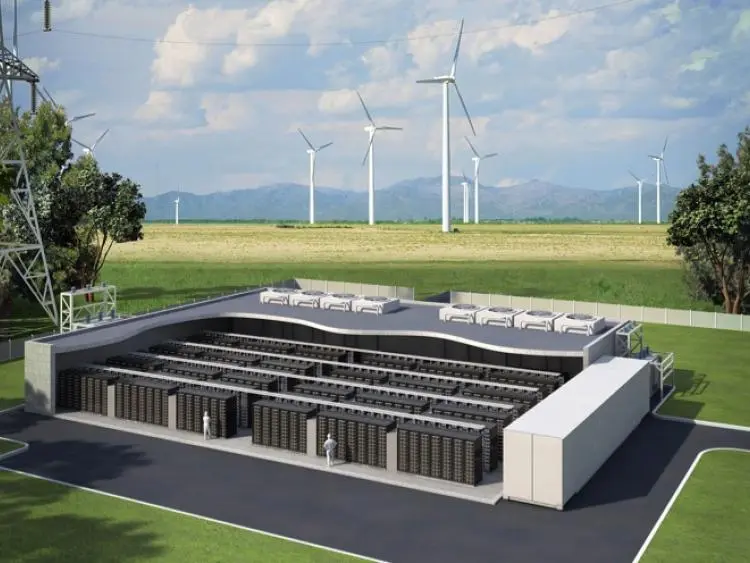
Another 1 GW each year is in the pipeline from 2024 to 2026.
Chile and its lithium-rich neighbors are becoming more selective about who they sell raw lithium to.
Instead, they aim to build their own energy storage systems.
As María Fernanda Ávila, from Argentina’s Ministry of Economy, points out, this is a golden opportunity that should not be missed.
More: Chile news in English, every day from The Rio Times.
This article was produced by The Rio Times’ automated newsroom system. How we use AI · Report an error
In depth
Read More from The Rio Times