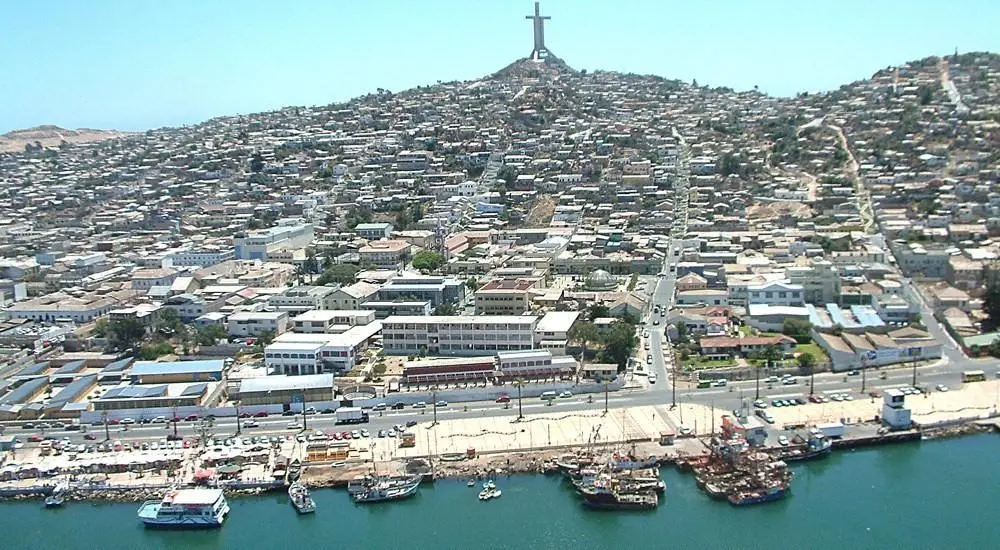
Chilean leader Gabriel Boric is planning a desalination plant in drought-hit Coquimbo. The government will fund it with 57 million pesos or around 61,873 dollars.
This funding also covers other solutions like irrigation systems, wastewater plants, and help for local farmers.
Boric emphasizes the urgency of tackling the water issue. He’s keen on acting fast rather than watching the crisis worsen.
The building of the plant will likely start in 2024. Moreover, Boric aims to send a bill to Congress to ease the red tape for such projects.
Background
Locally, this project is a big win for Coquimbo’s agriculture. Water scarcity has long been a burden here.
This effort may inspire similar initiatives in other dry Chilean regions.
In comparison, countries like Israel have successfully used desalination to combat water shortage.
Their experiences can guide Chile in enhancing its methods.
However, desalination has its critics. They note its high energy use and environmental impact, especially waste brine disposal.
Yet, such concerns haven’t stopped other nations from adopting the technology. Globally, water scarcity affects billions.
The UN warns that most of the world could experience water shortages by 2025.
In this light, Chile’s plan is quite significant. Climate change intensifies the issue, making droughts more frequent and severe.
Countries like Australia and the UAE have also invested in desalination. Still, critics argue for a broader approach that includes water conservation and recycling.
In summary, Boric’s decision aligns with a growing global focus on desalination as a response to water scarcity.
More: Chile news in English, every day from The Rio Times.
This article was produced by The Rio Times’ automated newsroom system. How we use AI · Report an error
Read More from The Rio Times