Chile’s Michelle Bachelet Quits the Race for UN Secretary-General
Key Facts
Michelle Bachelet, twice president of Chile and a former UN human rights chief, has abandoned her bid to run the United Nations. She announced the decision in a video on Saturday 19 September, a day after a crushing result in the Security Council.
Her exit removes one of the best-known names from a race that Latin America has a strong chance of winning. The region has not held the post since Peru’s Javier Pérez de Cuéllar left office in 1991.
How She Announced It
Today I announce that I have decided not to continue with my candidacy, she said in the Instagram video, AFP and TASS reported. The 74-year-old added that she did not regret taking part, Al Jazeera English reported.
In her words, the time was not right for the candidacy she sought to represent. She did not spell out further reasons in the published excerpts.
She had already signalled the difficulty earlier this month. On 4 September she said she knew she was not going to be secretary-general, MercoPress reported.
The Straw Poll That Ended Her Bid
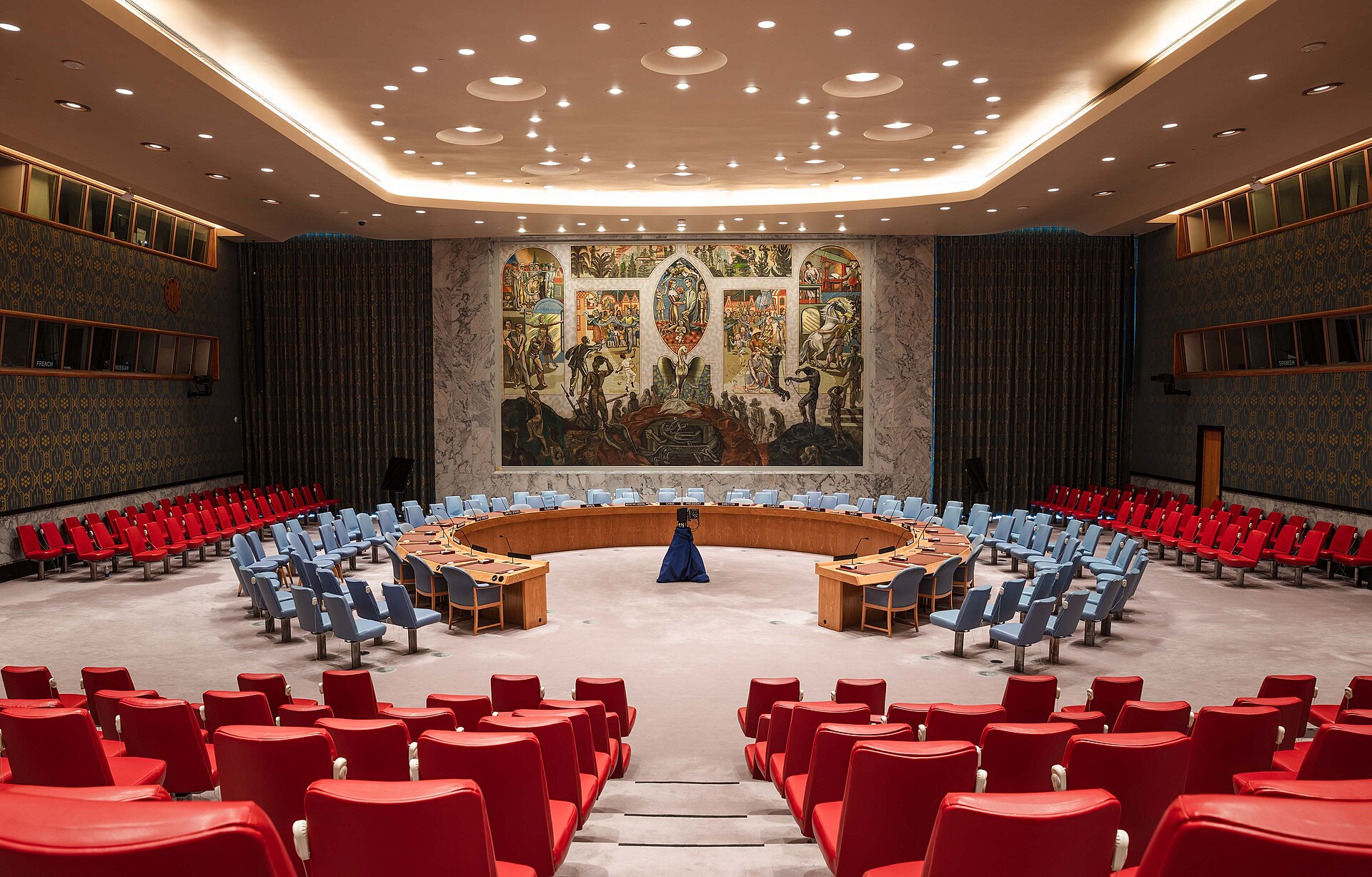
The Security Council held its third informal straw poll on Friday 18 September. Its fifteen members mark each candidate as encourage, discourage or no opinion, and the results are confidential but routinely leak.
Bachelet received one vote to encourage, eleven to discourage and three with no opinion, Reuters reported. Only Ecuador’s Ivonne Baki, with no encouraging votes, did clearly worse.
The polls are not binding, but they show who can survive the final stage. Any of the five permanent members, the United States, China, Russia, Britain and France, can veto the council’s eventual recommendation.
A candidate facing eleven discouraging votes has little prospect of reaching that stage. Bachelet drew the conclusion within a day of the result.
Who Is Still in the Race
Rebeca Grynspan, the Costa Rican economist who heads the UN trade and development agency, led with nine votes to encourage and five against. Carolyn Rodrigues-Birkett, a former foreign minister of Guyana, was close behind with eight to encourage.
Rafael Grossi of Argentina, who heads the International Atomic Energy Agency, received five votes to encourage and eight to discourage. Senegal’s former president Macky Sall had four to encourage and nine to discourage.
Ecuador’s María Fernanda Espinosa, a former president of the UN General Assembly, drew three votes to encourage. The field is completed by Ivonne Baki of Ecuador and Olara Otunnu, a former foreign minister of Uganda.
That leaves seven candidates, five of them from Latin America and the Caribbean. No official updated list has yet been published by the UN.
A Candidacy That Lost Its Home Country
Mexico formally presented Bachelet’s candidacy, according to a UN disclosure document dated 4 February 2026. Her own country’s backing had not survived Chile’s change of government.
Chile’s new government withdrew its support on 24 March 2026, after President José Antonio Kast took office. Bachelet belongs to the Socialist Party, the political opposite of Kast’s conservative camp.
No reaction from the governments of Chile, Mexico or Brazil appeared in the coverage reviewed on Sunday. The Geneva-based group UN Watch, a long-time critic, welcomed her defeat.
Who Michelle Bachelet Is
Bachelet, a paediatrician by training, was Chile’s first woman president, serving from 2006 to 2010 and again from 2014 to 2018. She was the first head of UN Women, the UN agency for gender equality, between her two terms.
From 2018 to 2022 she served as UN High Commissioner for Human Rights in Geneva. Her reports on Venezuela and on China’s Xinjiang region drew criticism from different sides.
Her father, an air force general, died after being detained under the Pinochet dictatorship, and she was herself detained before going into exile. That history made her a symbol of Chile’s return to democracy.
What Comes Next
The Security Council is expected to keep polling before it recommends a single name to the General Assembly. No date for a fourth straw poll had been announced by Sunday.
The winner will succeed António Guterres, whose second term ends on 31 December 2026. For now Grynspan and Rodrigues-Birkett are the names to watch.
The General Assembly’s annual debate opens in New York this week, bringing Latin American leaders including Brazil’s Lula to the city. Their private conversations may matter more for the race than any public statement.
For Latin America, the stakes are symbolic and practical. A Secretary-General from the region would set the agenda on migration, climate finance and peacekeeping from 2027.
Frequently Asked Questions
Why did Michelle Bachelet withdraw?
She said the time was not right for the candidacy she represented. The day before, a Security Council straw poll gave her one vote to encourage and eleven to discourage.
Who is leading the race for UN Secretary-General?
Costa Rica’s Rebeca Grynspan led the third straw poll with nine votes to encourage. Guyana’s Carolyn Rodrigues-Birkett followed with eight.
Who nominated Bachelet?
Mexico formally presented her candidacy, according to a UN document dated 4 February 2026. Chile’s government withdrew its support in March 2026.
How is the Secretary-General chosen?
The Security Council recommends one candidate after informal straw polls, and the General Assembly appoints them. Any of the five permanent members can veto the recommendation.
When does the new Secretary-General take office?
The successor to António Guterres takes office after his term ends on 31 December 2026.
Sources: AFP, on Bachelet quitting the race, TASS, on the Instagram announcement, Reuters, on the third straw poll, The National, on the Security Council poll, United Nations, Mexico’s nomination letter, MercoPress, on Bachelet conceding the difficulty, UN Watch, on the result
This article was produced by The Rio Times’ automated newsroom system. How we use AI · Report an error
Read More from The Rio Times