Brazil’s Coffee Output Set for Sharp Drop as Drought Reshapes Global Market
Brazil’s 2025/26 coffee harvest will decline 3-8% due to severe drought, with arabica yields hit hardest while robusta hits record highs. Rabobank projects a 6.4% drop to 62.8 million 60-kg bags, while Itaú BBA forecasts 64.4 million bags, down 3%.
The drought, spanning 5 million square kilometers in 2024, disrupted flowering in key arabica regions like Minas Gerais, where rainfall fell 40-60%.
Arabica production could plummet 13.6% to 38 million bags, but robusta may rise 7.3% to 24.7 million bags as farmers expand irrigation in Espírito Santo and Bahia.
Heavy pruning of arabica trees after poor yields will further reduce output. Pine Agronegócios warns of an 8% total decline to 59.75 million bags, with arabica down 16%.
Stocks could hit a historic low of 1.6 million bags, forcing exports down 22% to 39.24 million bags. Domestic consumption may drop 4.5% as prices surge. Global coffee futures have already risen 20%, pressuring roasters to blend more robusta.
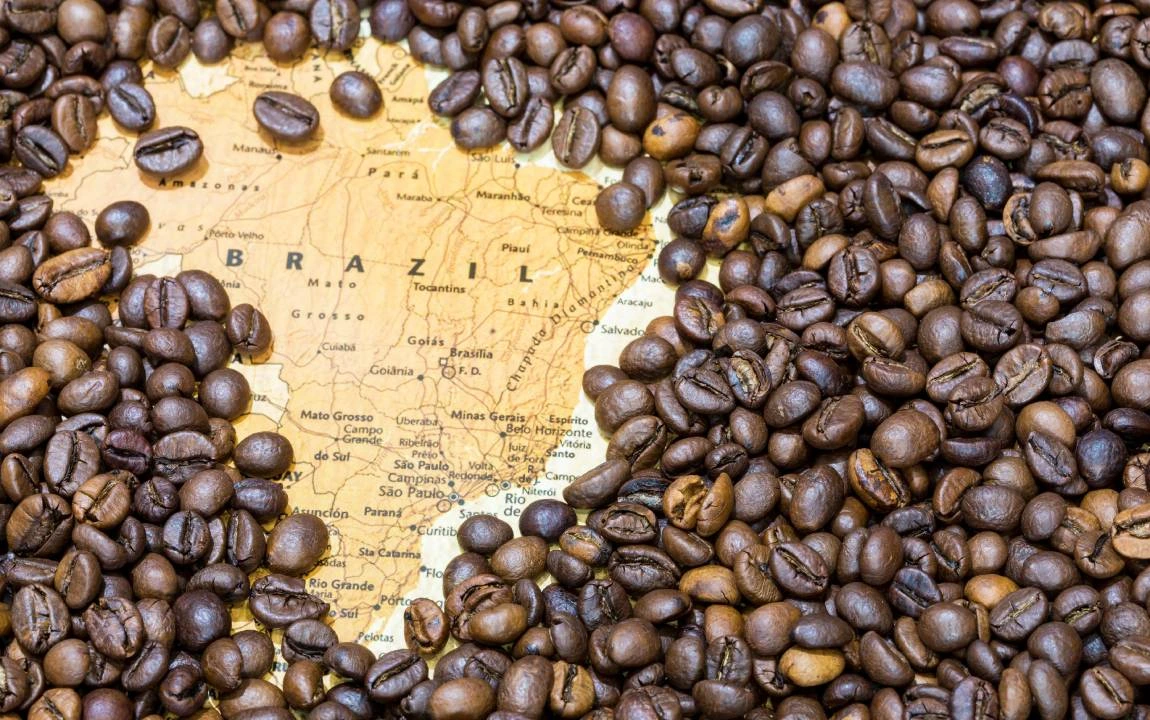
Brazil’s Coffee Crossroads
Despite robusta’s resilience, Rondônia state faces challenges. Rains returned in late March, easing stress but not reversing losses. CONAB estimates a 4.4% national decline to 51.8 million bags, with arabica down 12.4%.
Brazil’s $8.1 billion coffee sector, employing 3.5 million people, now navigates tighter margins. StoneX and Safras&Mercado offer slightly higher projections, betting on rain recovery.
Farmers face tough choices: replanting arabica risks future droughts, while robusta’s lower margins strain profitability. The 2025 harvest’s outcome will shape global supply chains, as Brazil produces a third of the world’s coffee.
With La Niña potentially bringing erratic weather, traders brace for volatility. Exporters report robusta shipments surged 170% last year, signaling a market shift. As stocks dwindle, consumers worldwide may face steeper prices and altered blends by late 2025.
More: Brazil news in English, every day from The Rio Times.
This article was drafted with automated assistance and reviewed before publication. How we use AI · Report an error
Read More from The Rio Times