Lula’s Approval Hits New Low as Economic Discontent Grows Across Brazil
A nationwide survey by Paraná Pesquisas, conducted April 16–19, 2025, reveals President Luiz Inácio Lula da Silva’s administration faces its highest disapproval rate (57.4%) since his third term began in 2023.
Approval sits at 39.2%, the first time below 40%, with 3.4% undecided. The poll, covering 2,020 voters across 160 municipalities, has a 2.2% margin of error. Regional disparities highlight challenges.
The Northeast remains Lula’s strongest base, with 50.4% approval, though disapproval there rose to 45.4%. Southern and Southeastern voters reject his government at 62.9% and 60.1%, respectively.
Northern and Central-Western regions show the sharpest opposition, with 66.7% disapproval. Demographically, men (61.1%), evangelicals (69.7%), and those aged 25–34 (63.1%) lead the discontent.
Only voters over 60 (48.7% approval) and those with elementary education retain majority support. Economic policies dominate the backlash.
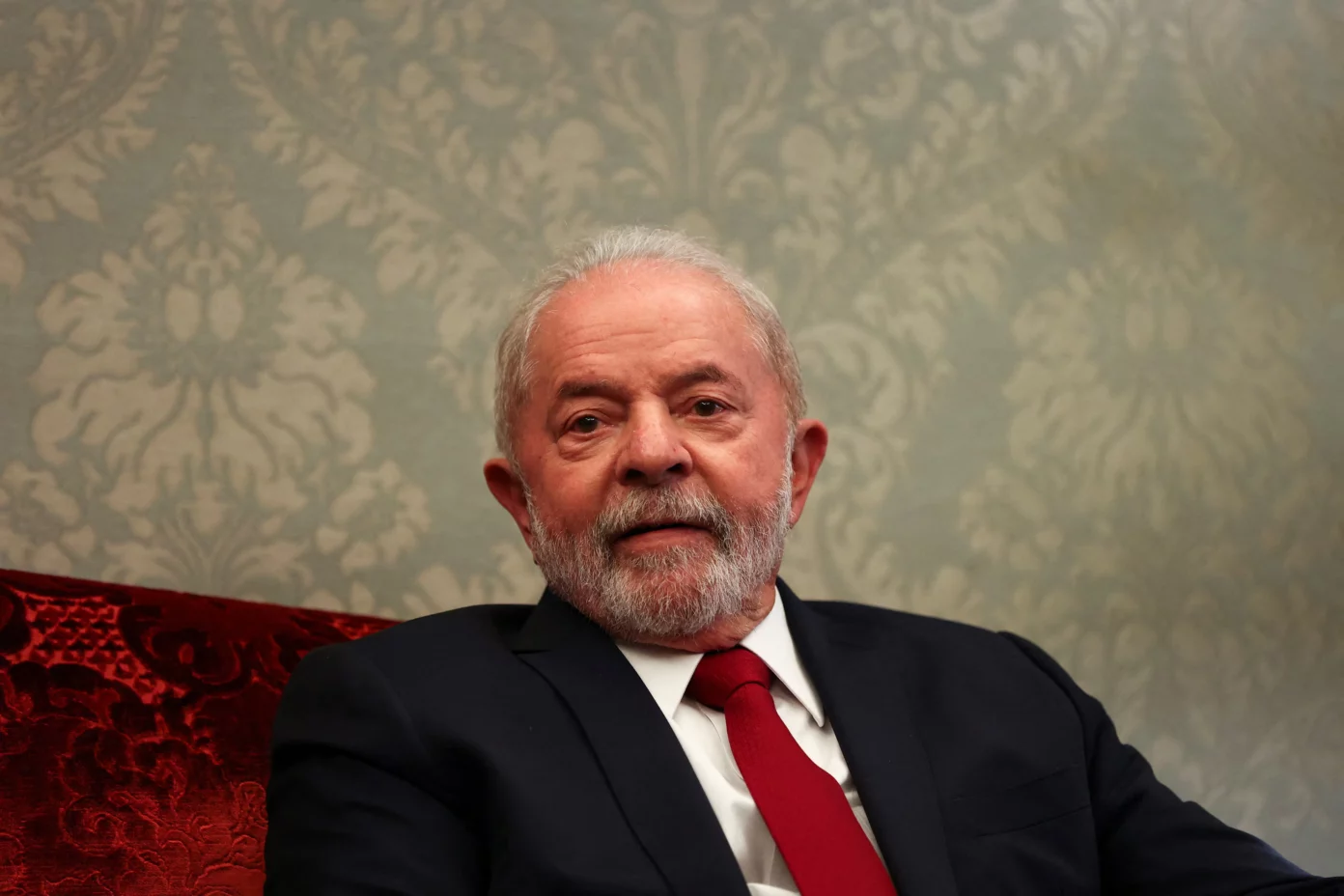
Despite recent measures like payroll loan expansions, import tax cuts on food, and income tax exemptions for earners below R$5,000 monthly, public sentiment remains sour.
Economic Challenges Threaten Political Trajectory
Analysts question whether these steps will stabilize prices or boost confidence ahead of 2026 elections. Critics argue inflation and sluggish growth undermine Lula’s pledges, eroding his working-class base.
Approval has plummeted 15 points since August 2023, while disapproval surged 17 points. Only 26.6% rate the government “excellent” or “good,” down from 40% two years prior.
Negative ratings (“bad” or “terrible”) climbed to 48%, with 36.7% calling it “terrible.” Another 24.4% deem performance “regular,” reflecting widespread ambivalence.
The downturn coincides with rising living costs and stagnant wages. While Lula’s team highlights tax reforms and credit access, households report minimal relief. Political analysts note his declining leverage in Congress, complicating legislative progress.
With 18 months until elections, opposition figures like Michelle Bolsonaro and São Paulo Governor Tarcísio Freitas gain traction, polling competitively against Lula in hypothetical matchups.
Paraná Pesquisas’ methodology involved face-to-face interviews, ensuring geographic and demographic diversity. Results align with trends from other firms, painting a consistent picture of eroding support.
As Lula navigates economic headwinds and partisan divides, his ability to reverse this trajectory remains uncertain, setting the stage for a contentious election cycle.
More: Brazil news in English, every day from The Rio Times.
This article was produced by The Rio Times’ automated newsroom system. How we use AI · Report an error
Read More from The Rio Times