Brazil Elects 16 Mixed-Race Senators
Black and mixed-race Brazilians won more Senate seats than in earlier elections, but they still hold far fewer than their share of the population.

Politics: Brazil
Brazilian voters elected more Black and mixed-race senators than in any election in the TSE series that starts in 2014, filling 16 of the 54 seats up for grabs on 4 October 2026. The figures come from candidate-registration data of the TSE (Tribunal Superior Eleitoral, Brazil’s Superior Electoral Court), read on 20 November 2026.
Brazilian statistics count pretos (Black) and pardos (brown or mixed-race) together, and each candidate picks a category when registering with the court. All 16 winners declared themselves pardos, which is 29.6% of the seats at stake.
Key Facts
- Who. Brazilian voters chose 16 pardos (mixed-race) senators out of 54 seats, and no preto (Black) winner.
- What. Highest share of Black and mixed-race Senate winners in TSE election files from 2014: 29.6%.
- When. Elected 4 October 2026 to Brazil’s Senate in Brasília; seats taken 1 February 2027.
- Power Index. Brazil ranks 1st of 14 in The Rio Times Latin America Power Index, with 74.2 points (November 2026 edition).
- As of. 20 November 2026, 06:30 GMT.
Black and mixed-race Brazilians won more Senate seats than in earlier elections, but they still hold far fewer than their share of the population.
The TSE files used here carry each candidate’s self-declared race from 2014, the first year checked, and the Senate series starts there. They show pretos and pardos winning 5 of 27 seats in 2014 (18.5%), 14 of 54 in 2018 (25.9%) and 6 of 27 in 2022 (22.2%).
The Senate renews in two rounds of different size, 27 seats in 2014 and 2022 and 54 in 2018 and 2026. Shares rather than head counts make the fair comparison, and 2018 is the closest match.
Constitutional Amendment 133, promulgated by Congress on 22 August 2024, requires parties to apply public campaign money to Black and mixed-race candidates, and lets parties that missed that quota in the past make it up in the four elections from 2026. Of 319 Senate candidates in 2026, 116 (36.4%) declared themselves preto or pardo.
The record is not parity. The IBGE (Brazilian Institute of Geography and Statistics, the national statistics office) put pretos and pardos at 55.5% of Brazilians in its Census 2022 results, published on 22 December 2023.
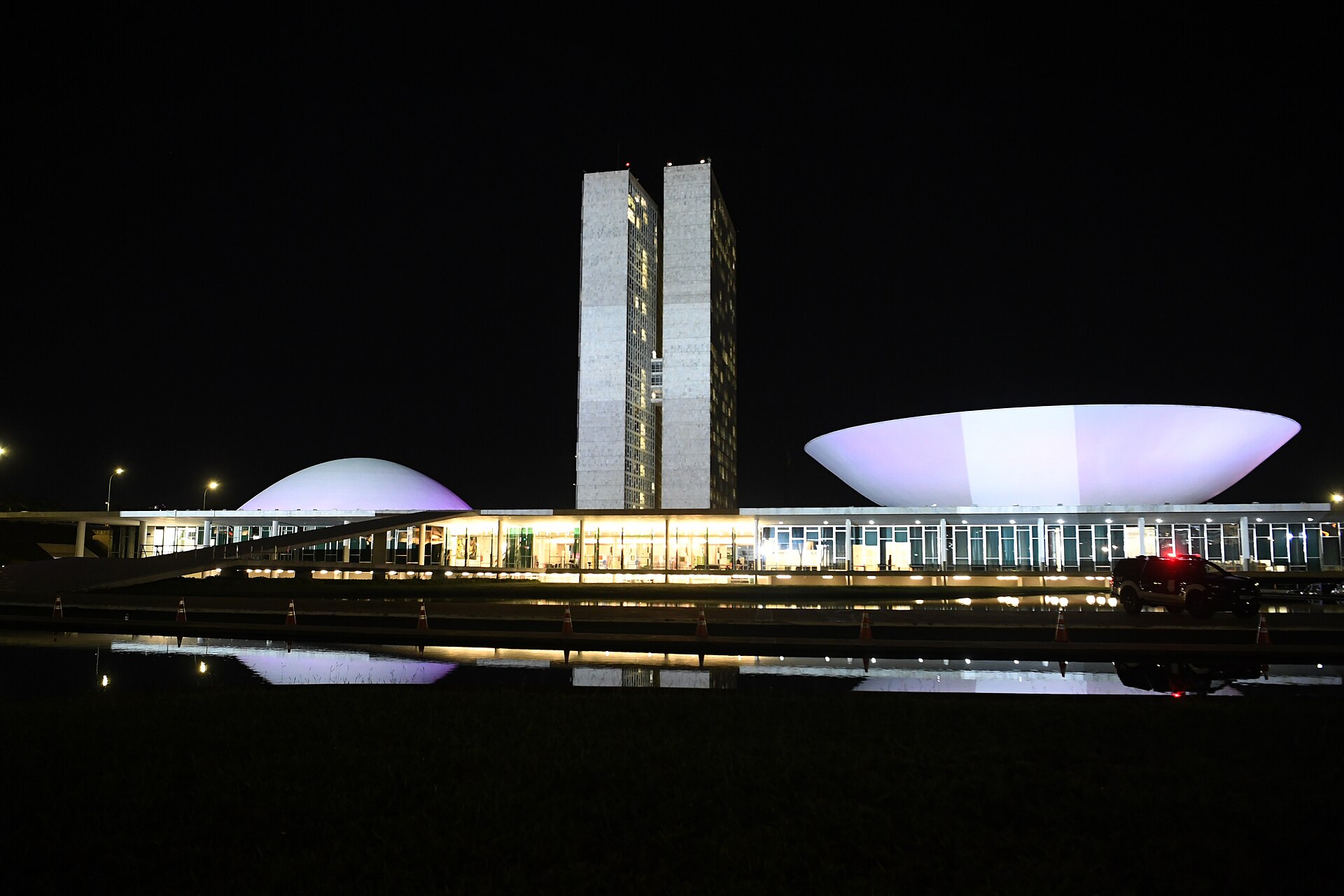
From 2027 the Senate will have 81 seats, three per state, and 22 of them (27.2%) were won by pretos or pardos in the 2022 and 2026 elections. That is less than half of the population share, and substitutes (suplentes) can replace senators who leave office, so the count can change.
The winners include Arthur Lira of Alagoas, a former speaker of the Chamber of Deputies, the lower house of Congress, from the Progressistas (PP), a conservative party. Senator-elect Rui Costa won Bahia for the Workers’ Party (PT), the party of President Luiz Inácio Lula da Silva.
Senators-elect Eduardo Braga of the MDB (Brazilian Democratic Movement, a centrist party) in Amazonas, Humberto Costa of the PT in Pernambuco and Marília Campos of the PT in Minas Gerais also declared as pardos. Three of the 16 belong to the PT and three to the Liberal Party (PL), the party of former president Jair Bolsonaro, and the rest sit in other parties.
The Chamber of Deputies, the 513-seat lower house, tells a different story. Its 2026 file lists 505 elected deputies, among them 100 pardos and 29 pretos, which makes 129 Black or mixed-race, or 25.5% of those 505.
The Chamber elected 102 pretos or pardos in 2014 (19.9%), 123 in 2018 (24.0%) and 139 in 2022 (27.1%). The 2026 count cannot top 2022 even if the eight seats the file does not yet mark all went to Black or mixed-race candidates, which would give 137.
One Senate election does not make a trend when the Chamber moves the other way. The data rest on self-declaration, so a candidate’s own choice of category decides each count.
Black candidates won a smaller share of the seats than of the candidacies, and the TSE files give no reason for the gap. The 2026 gain rests entirely on pardos, and no senator-elect declared as preto.
The new senators and deputies take office on 1 February 2027, under the Constitution, and the senators serve eight years. Until then the count of 22 in the 81-seat chamber stays a snapshot of election results, not of who will hold each seat.
On 12 November the Senate backed the main text of a fiscal adjustment plan for 2027, 45 to 31, and on 18 November it voted 69 to 2 in a supplementary round (turno suplementar) on the same bill. More Brazil news covers the wider political picture.
Law 14,759 of 21 December 2023 made 20 November, Black Awareness Day (officially Dia Nacional de Zumbi e da Consciência Negra, after Zumbi dos Palmares, a 17th-century leader of escaped slaves), a national holiday from 2024, and the TSE data were read on that day. The next Senate vote, for 27 seats, is due in 2030.
Frequently Asked Questions
What does Black mean in Brazil’s official statistics?
It combines pretos and pardos, the two categories for Black and mixed-race people. Candidates choose their own category when they register.
Does the record mean Black Brazilians are fairly represented?
Not by the population measure: the Senate still has far fewer Black and mixed-race members than the census share. The Chamber of Deputies points the other way.
Can the Senate count change after the new term begins?
Yes. A substitute can take the seat of a senator who leaves office, and the count then follows the substitute’s declared race.
Sources: TSE candidate-registration open data (consulta_cand, 2014, 2018, 2022, 2026), read 20 November 2026; IBGE Census 2022 results, 22 December 2023; Constitutional Amendment 133, 22 August 2024; Law 14,759, 21 December 2023; Brazilian Constitution.
This article was produced by The Rio Times’ automated AI newsroom. Editorial responsibility: Matthias Camenzind, Publisher and Editor-in-Chief. The Rio Times also runs Ask Rio Times, which answers from 100,000+ of our own articles, the daily Latin America Power Map, and prediction-market odds on elections and markets.. How we use AI · Report an error
Brazil runoff, Sunday, October 25: Brazil runoff date. Latest: Brazil runoff polls, Flávio 51%, Lula 49%.