Brazil: Economy
On Tuesday 10 November 2026, Supreme Federal Court (STF) Justice Gilmar Mendes froze every lawsuit in Brazil over what the state must pay hospitals for public-health care, according to Correio da Manhã, a Rio de Janeiro daily newspaper, on 12 November. The Federal Attorney-General’s Office (AGU), which defends the government in court, puts the money at stake at R$243 billion (about US$42 billion at the central bank’s 17 November rate of 5.7851 reais per dollar).
The freeze touches hospitals, especially charitable ones known as Santas Casas. For US readers, it is a test of how far a government can be made to top up the prices it sets for public care.
Key Facts
- Who STF Justice Gilmar Mendes, acting on a request from the federal government.
- What Nationwide freeze of lawsuits over public-health hospital payment rates and related court payouts.
- Money R$243 billion (about US$42 billion) in potential exposure, not money already spent.
- Next The full court must still rule on the merits of the case.
- As of 17 November 2026, 23:30 GMT
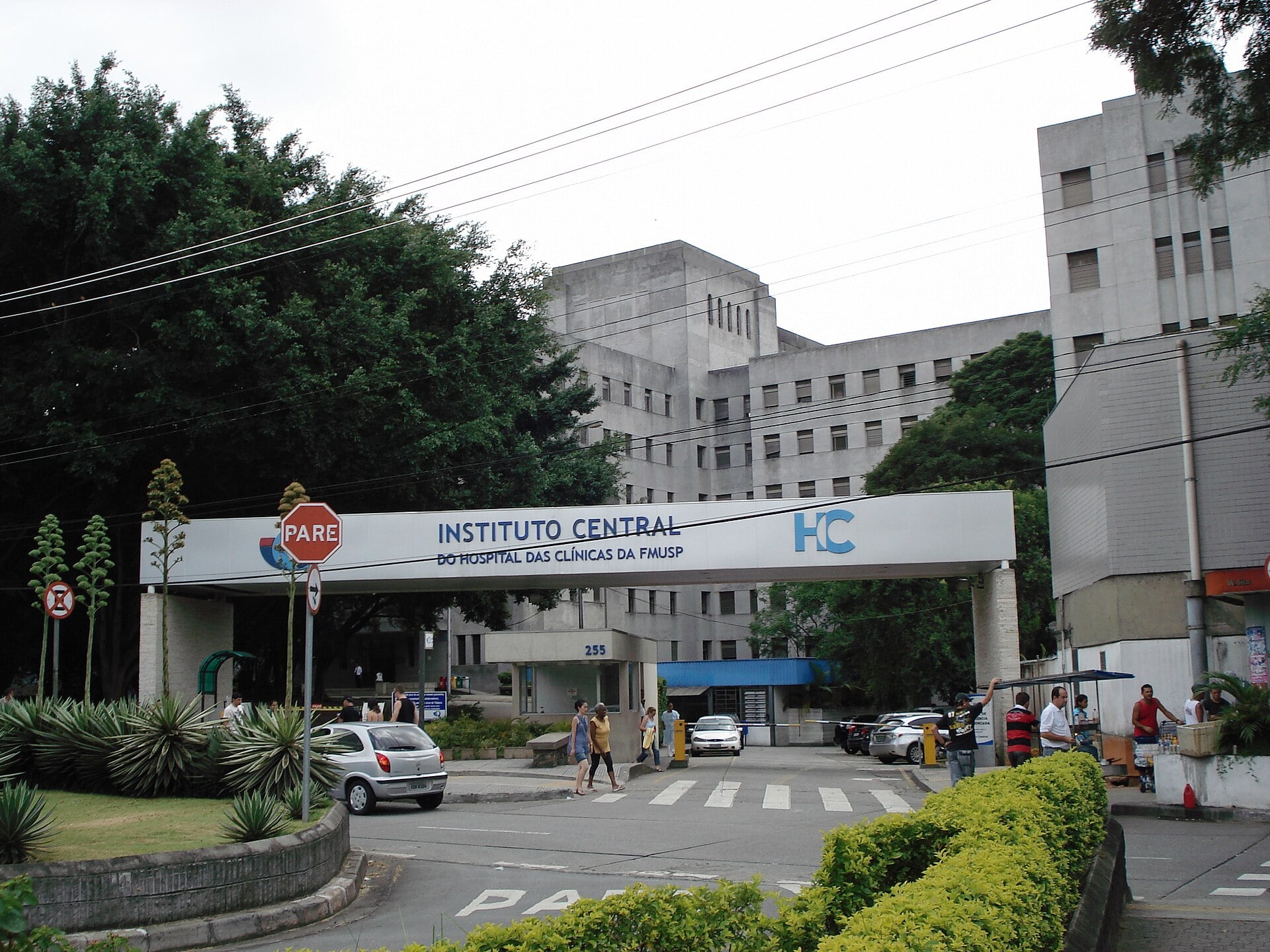
A single court order has paused thousands of claims by hospitals that say Brazil’s public health system has paid them too little for years.
The Big Picture
SUS, Brazil’s free public health system, pays hospitals from a fixed price list known as the Tabela SUS. Hospitals, especially charitable ones, have sued for years to be paid more, asking judges to use other price references instead.
Those references are the Tunep, a table health plans use when a client is treated privately, according to Gazeta do Povo, a Curitiba newspaper, on 11 November, and the IVR, a second index used by the health-plan regulator ANS, according to Correio da Manhã on 12 November. Correio da Manhã says the AGU counts 7,738 such lawsuits, with new cases rising from 171 in 2020 to 1,369 in 2024.
Correio da Manhã said on 12 November that the STF recognised the case as one of general repercussion in October, meaning one ruling will guide all lower courts. The full court has yet to rule on the merits.
What We Know
Mendes signed the order on Tuesday 10 November, according to Correio da Manhã on 12 November. It covers individual and collective suits in any court, including final rulings already in the payment stage.
Correio da Manhã reported that it also blocks issuing and withdrawing precatórios, the court-ordered government payment slips, and small-value payment requests linked to the cases. The freeze lasts until the STF decides the merits of the case.
Correio da Manhã quotes the decision as not establishing that hospitals lost the right to the sums they claim. Mendes pointed to an R$2.28 billion enforcement (about US$394 million) over credits that once belonged to a charitable hospital, and ordered the National Justice Inspectorate (Corregedoria Nacional de Justiça) to investigate precatórios in these cases.
Why It Matters
Charitable hospitals live on the gap between what SUS pays and what care costs. A freeze keeps even cases already won in court unpaid, so cash some were counting on stays out of reach.
The sum frozen is huge against what has actually been paid. Correio da Manhã says the Union, Brazil’s federal government, paid more than R$731 million (about US$126 million) in 2023 and 2024 under such orders to 94 plaintiffs, so by our arithmetic the AGU’s R$243 billion is roughly 330 times that.
What to Watch
No date for the full-court judgment appears in the reports we opened. Neither outlet gave a deadline for the Corregedoria Nacional de Justiça inquiry either.
What Is Not Known
Correio da Manhã does not name the hospital behind the R$2.28 billion case. It is also unclear how many of the 7,738 lawsuits involve Santas Casas specifically.
Gazeta do Povo reports the court must still decide whether the adjustment is owed at all and who would pay: the Union, the states or the municipalities. The R$243 billion is the AGU’s estimate of exposure, and no court has set it as a bill.
Frequently Asked Questions
What did the Supreme Court freeze?
Justice Gilmar Mendes suspended nationwide all lawsuits over SUS hospital payment rates, including finished cases awaiting payment, and blocked related precatórios, according to Correio da Manhã on 12 November.
Is R$243 billion what Brazil owes?
No. Correio da Manhã says it is the AGU’s estimate of potential exposure, not money already spent. At 5.7851 reais per dollar it is about US$42 billion.
Have hospitals lost their claims?
Not by this order. Correio da Manhã quotes the decision as saying it does not establish that hospitals lost the right to the amounts they claim.
When will the court decide?
No date has been reported. The suspension lasts until the STF rules on the merits of the case.
Sources: Correio da Manhã, 12 Nov 2026 · Gazeta do Povo, 11 Nov 2026 · Banco Central do Brasil, dollar rate 17 Nov 2026
This article was produced by The Rio Times’ automated AI newsroom. Editorial responsibility: Matthias Camenzind, Publisher and Editor-in-Chief. The Rio Times also runs Ask Rio Times, which answers from 100,000+ of our own articles, the daily Latin America Power Map, and prediction-market odds on elections and markets.. How we use AI · Report an error
Brazil runoff, Sunday, October 25: Brazil runoff date. Latest: Brazil runoff polls, Flávio 51%, Lula 49%.