IBOV 192,114.55 ▲ 2.63% IPSA 10,916.57 ▲ 0.08% IPC MEX 64,531.68 ▲ 1.10% MERVAL 2,767,663 ▲ 0.32% COLCAP 2,515.02 ▼ 0.59% BVL PERÚ 59,751.67 ▲ 0.18% USD/BRL5.22▲ 0.17% USD/MXN18.20▲ 0.23% USD/CLP989.60— 0.00% USD/COP3,254▼ 0.27% USD/PEN3.46▲ 0.57% USD/ARS1,524▼ 0.04% USD/UYU40.46▲ 3.63% USD/PYG5,821▲ 3.10% USD/BOB11.93▲ 1.99% USD/DOP59.90▲ 0.84% USD/CRC456.38▲ 2.99% USD/GTQ7.64▲ 3.13% USD/HNL26.86▲ 3.18% USD/NIO36.62— 0.00% USD/VES869.19▼ 0.13% USD/PAB1.00— 0.00% USD/BZD2.00— 0.00% USD/JMD 157.28 — 0.00% USD/TTD6.69▲ 1.65% EUR/BRL5.86▼ 0.21% BRENT 88.88 ▼ 0.03% WTI 83.11 ▼ 0.11% IRON ORE 161.91 — — COPPER 6.61 ▲ 0.03% GOLD 4,461 ▲ 1.78% SILVER 65.59 ▲ 1.26% SOY 1,184 ▲ 3.20% CORN 480.50 ▲ 10.02% WHEAT 655.00 ▲ 3.93% COFFEE 317.25 ▼ 5.51% SUGAR 16.43 ▼ 1.79% ORANGE JUICE 138.55 ▼ 0.47% COTTON 85.03 ▲ 2.33% COCOA 5,719 ▲ 3.18% BEEF 223.60 ▼ 3.93% CATTLE 339.10 ▼ 3.16% LITHIUM 75.20 ▲ 1.47% PETR4 41.64 ▼ 0.05% VALE3 72.97 ▲ 0.83% ITUB4 38.60 ▼ 1.03% BBDC4 16.85 ▲ 0.36% ABEV3 14.89 ▼ 0.80% BBAS3 19.37 ▲ 0.47% B3SA3 14.26 ▼ 0.21% WEGE3 47.59 ▲ 0.49% PRIO3 59.14 ▼ 0.19% SUZB3 41.33 ▲ 2.35% RENT3 34.68 ▼ 0.09% AZZA3 15.89 ▼ 2.63% CSAN3 3.22 ▼ 1.83% RAIZ4 0.25 — 0.00% PCAR3 2.75 ▼ 0.36% GMAT3 3.65 ▼ 1.08% PSSA3 48.13 ▼ 0.54% CVCB3 1.33 ▼ 2.92% POSI3 3.36 ▲ 2.44% SLCE3 13.34 ▲ 0.30% NATU3 8.14 ▼ 0.73% IBOV 192,114.55 ▲ 2.63% IPSA 10,916.57 ▲ 0.08% IPC MEX 64,531.68 ▲ 1.10% MERVAL 2,767,663 ▲ 0.32% COLCAP 2,515.02 ▼ 0.59% BVL PERÚ 59,751.67 ▲ 0.18% USD/BRL 5.16 ▲ 0.01% USD/MXN 17.06 ▼ 0.24% USD/CLP 913.98 ▲ 0.04% USD/COP 3,140 ▲ 0.03% USD/PEN 3.36 ▼ 0.66% USD/ARS 1,493 ▲ 0.10% USD/UYU 40.27 ▲ 1.24% USD/PYG 5,939 ▲ 1.68% USD/BOB 11.64 ▼ 0.76% USD/DOP 58.34 ▲ 1.25% USD/CRC 445.92 ▲ 0.89% USD/GTQ 7.62 ▲ 2.21% USD/HNL 26.79 ▲ 1.57% USD/NIO 36.62 ▲ 0.69% USD/VES 762.44 ▼ 0.13% USD/PAB 1.00 — 0.00% USD/BZD 2.00 — 0.00% USD/JMD 157.28 — 0.00% USD/TTD 6.70 ▲ 0.61% EUR/BRL 5.95 ▲ 1.01% BRENT 88.88 ▼ 0.03% WTI 83.11 ▼ 0.11% IRON ORE 161.91 — — COPPER 6.61 ▲ 0.03% GOLD 4,461 ▲ 1.78% SILVER 65.59 ▲ 1.26% SOY 1,184 ▲ 3.20% CORN 480.50 ▲ 10.02% WHEAT 655.00 ▲ 3.93% COFFEE 317.25 ▼ 5.51% SUGAR 16.43 ▼ 1.79% ORANGE JUICE 138.55 ▼ 0.47% COTTON 85.03 ▲ 2.33% COCOA 5,719 ▲ 3.18% BEEF 223.60 ▼ 3.93% CATTLE 339.10 ▼ 3.16% LITHIUM 75.20 ▲ 1.47% PETR4 41.64 ▼ 0.05% VALE3 72.97 ▲ 0.83% ITUB4 38.60 ▼ 1.03% BBDC4 16.85 ▲ 0.36% ABEV3 14.89 ▼ 0.80% BBAS3 19.37 ▲ 0.47% B3SA3 14.26 ▼ 0.21% WEGE3 47.59 ▲ 0.49% PRIO3 59.14 ▼ 0.19% SUZB3 41.33 ▲ 2.35% RENT3 34.68 ▼ 0.09% AZZA3 15.89 ▼ 2.63% CSAN3 3.22 ▼ 1.83% RAIZ4 0.25 — 0.00% PCAR3 2.75 ▼ 0.36% GMAT3 3.65 ▼ 1.08% PSSA3 48.13 ▼ 0.54% CVCB3 1.33 ▼ 2.92% POSI3 3.36 ▲ 2.44% SLCE3 13.34 ▲ 0.30% NATU3 8.14 ▼ 0.73%
since 2009
Monday, October 5, 2026

Bolivia’s Currency Crisis: Gold Reserves in the Spotlight

By · November 10, 2024 · 2 min read

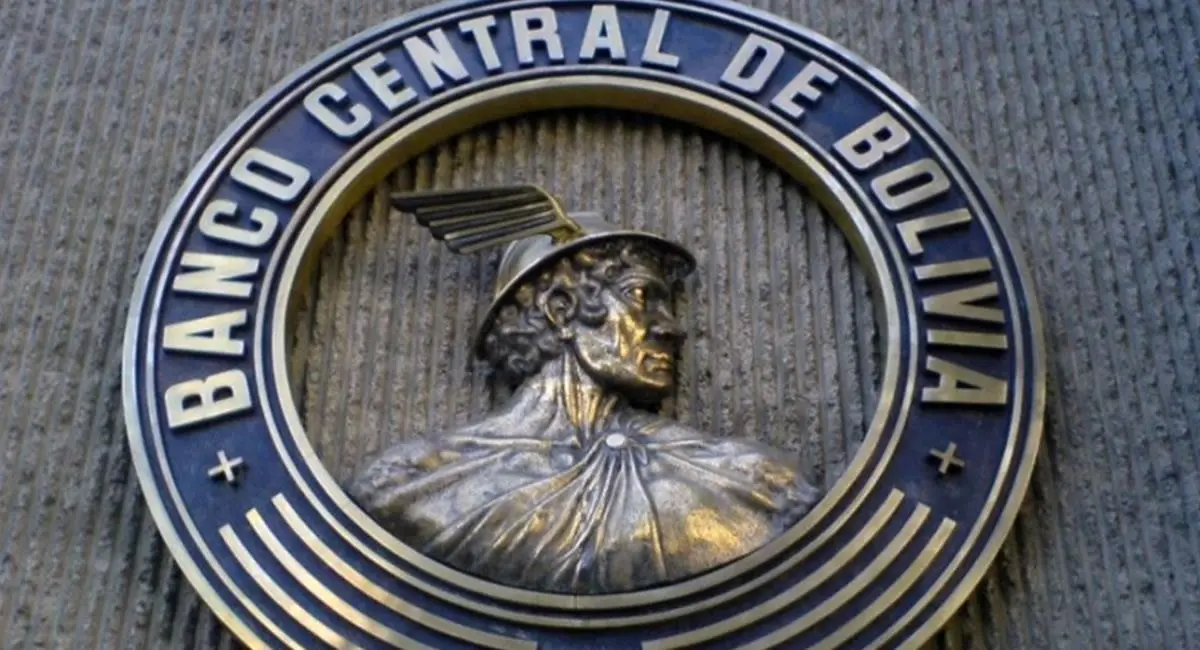
Bolivia’s recent attempt to loosen restrictions on its gold reserves highlights the country’s dire economic situation. The Central Bank of Bolivia briefly introduced a measure allowing it to report gold holdings biannually, potentially enabling it to dip below the legally mandated minimum of 22 tons between reporting dates.

This move, quickly reversed due to concerns over economic speculation, reveals the depth of Bolivia’s financial crisis. The country’s foreign currency reserves have plummeted from $15 billion in 2014 to a mere $1.7 billion in late 2023.

This dramatic decline stems from a perfect storm of economic challenges. Bolivia’s natural gas exports, once a cornerstone of its economy, have dwindled from $6 billion annually in 2014 to just $2 billion in 2023. This sharp decrease has left a gaping hole in the national budget.
Bolivia's Currency Crisis: Gold Reserves in the Spotlight.
Bolivia’s Currency Crisis: Gold Reserves in the Spotlight.
RT
Ask Rio Times
17 years of Latin America reporting, on demand.
Open the full Ask Rio Times →

For nearly 15 years, Bolivia maintained a fixed exchange rate of 6.90 bolivianos per US dollar. This policy, while providing stability, now strains the economy as foreign currency becomes scarce.

The shortage of dollars has cascaded through various sectors, making it difficult for businesses to import essential goods like medications, farming equipment, and mining supplies. Inflation has emerged as another pressing concern, reaching 7.26% by October 2024, more than double the government’s initial projection.

The LatAm Brief

One email, every weekday morning. What moved in Latin American markets, politics and expat life.

Yesterday’s subject line: “Brazil votes Sunday. A runoff follows if no one tops 50%”

Free. We send a confirmation link first — nothing arrives until you click it. Unsubscribe with one click in any edition. If you stop opening us for 30 days we stop sending by ourselves, as we assume the interest is no longer there. See our privacy policy. We never share your email.

This increase in prices affects everyday Bolivians, particularly in food and fuel costs. The government’s fiscal policies, including a large public sector deficit of 7.3% of GDP in 2022, have contributed to the depletion of international reserves.

Bolivia’s Currency Crisis: Gold Reserves in the Spotlight

Political tensions exacerbate these economic challenges. A power struggle between current President Luis Arce and former President Evo Morales divides the ruling party, hampering effective decision-making on crucial economic issues. This conflict has spilled onto the streets, with protests and roadblocks disrupting economic activities.

The international financial community has taken note of Bolivia’s precarious situation. Fitch Ratings downgraded Bolivia’s credit rating to ‘CCC’ from ‘B-‘ in February, reflecting increased risk associated with the country’s economic management.

Bolivia now faces difficult choices. The government must address the currency issue, potentially allowing the boliviano to depreciate. It also needs to tackle the fiscal deficit and reduce reliance on central bank financing. These challenges come as the country prepares for presidential elections in 2025, adding political pressure to economic decisions.


This article was produced by The Rio Times’ automated newsroom system. How we use AI · Report an error · Editorial responsibility: Matthias Camenzind, Editor-in-Chief

The Rio Times · Power Map
See who really holds power in Latin America
Click to open the Power Map →

Rotate for Best Experience

This report is optimized for landscape viewing. Rotate your phone for the full experience.