Argentina Dividend Payouts Fell 6.8% To US$868 Million In First Half
ARGENTINA · MARKETS
Key Facts
- —What happened Companies listed on the Buenos Aires exchange paid about US$868 million in dividends in the first half.
- —How big The total was 6.8% below the US$931 million paid in the first half of 2025.
- —Quarterly split Payments rose from US$335 million in the first quarter to US$533 million in the second.
- —Who paid most Grupo Financiero Galicia paid US$217 million, Banco Macro US$152 million and BYMA itself US$124 million.
- —The catch Those three firms made up about 57% of the half-year total, so payouts are highly concentrated.
- —Why it fell Utility dividends dropped 87.5%, a fall of about US$407 million that outweighed a rise at banks.
Companies listed on the Buenos Aires exchange paid about US$868 million to shareholders in the first six months of 2026. A collapse in utility dividends explains almost all of the fall.
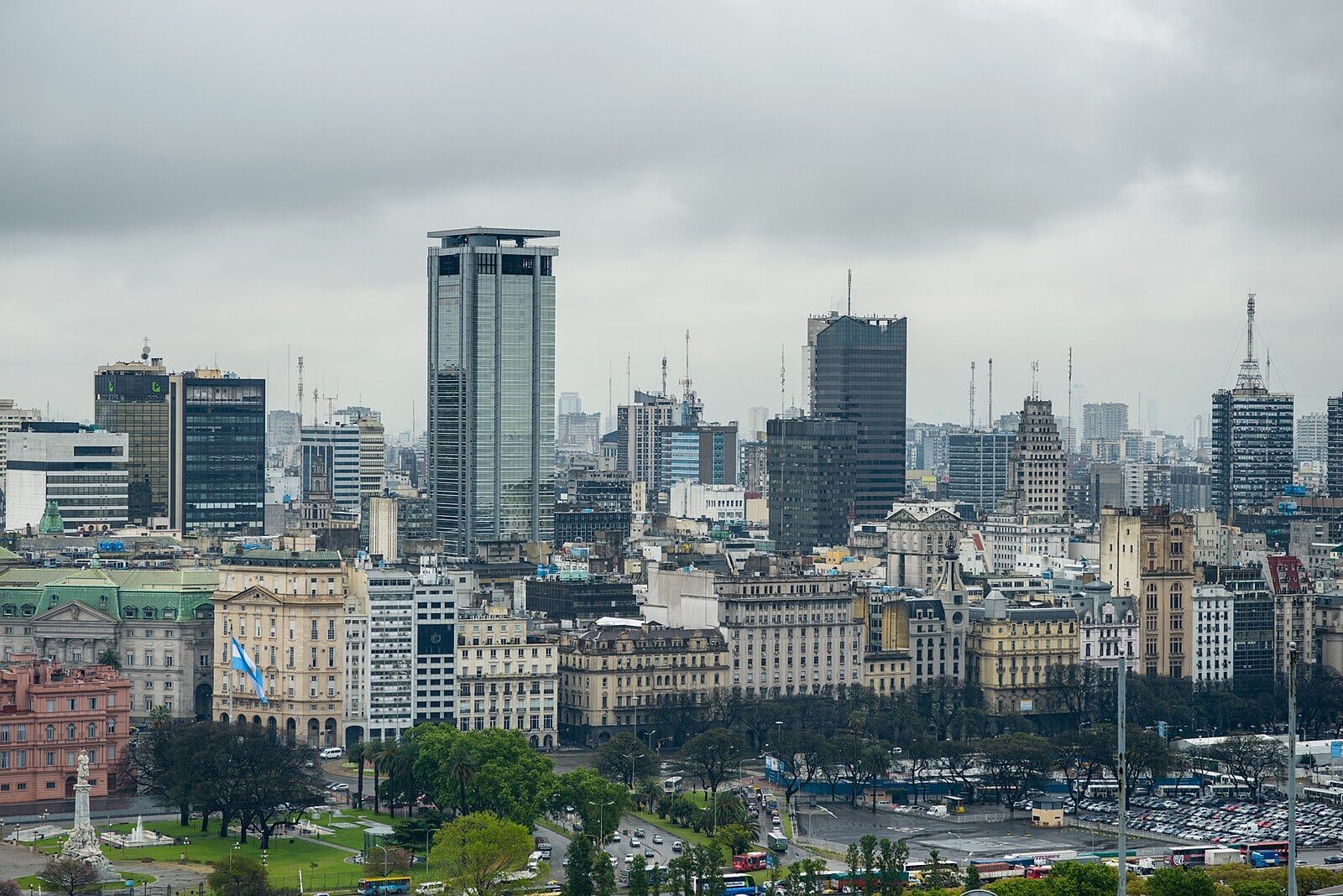
Argentina dividend payouts came to about US$868 million in the first half of 2026, according to BYMA’s dividend report. That is 6.8% below the US$931 million paid in the same period of 2025.
What the BYMA dividend report shows
BYMA is Bolsas y Mercados Argentinos, the company that runs the Buenos Aires stock exchange. Its research team tracks what listed Argentine companies pay their shareholders.
The report covers domestic companies listed on BYMA. It does not cover foreign firms or unlisted businesses that operate in Argentina.
Argentina dividend payouts came from 10 companies in the first quarter and 15 in the second. The half-year total reached about US$868 million.
The quarterly pattern was uneven. First-quarter payments were about US$335 million, against about US$533 million in the second, a rise of about 59%.
The second quarter alone made up 61% of the half-year total. Amounts were converted at the MEP rate, the dollar price implied by trading bonds, on each payment date.
Banks and the exchange lead the list
Three names dominated. Grupo Financiero Galicia paid about US$217 million, Banco Macro about US$152 million and BYMA itself about US$124 million.
Together those three paid about US$493 million, or roughly 57% of the half-year total. A handful of board decisions therefore moves the headline number.
Ternium Argentina paid about US$88 million and Molinos Agro about US$54 million. The five largest payers accounted for about 73% of the total.
Other payers included Cablevisión Holding at about US$51 million, with Naturgy Ban and Camuzzi Gas Pampeana at about US$29 million each. A3 Mercados paid about US$21 million and Banco Hipotecario about US$20 million.
Banks led by a wide margin. Grupo Financiero Galicia alone accounted for about a quarter of everything paid out in the half.
Live Market IntelligenceArgentina — Live Market Board
Rio Times · Live Market Intelligence
Argentina — Live Market Board
-0.04%
187,422.92
+0.44%
64,456.59
+1.45%
11,426.83
+0.61%
2,997,659
-0.04%
2,588.64
+0.90%
59,529.36
+1.84%
| Instrument | Last | Change | YoY | Prev. | High | Low | Volume |
|---|---|---|---|---|---|---|---|
| MERVAL | 2,997,659 | -0.04% | +30.51% | 3,022,485 | 3,042,365 | 2,991,150 | — |
| USD/ARS | 1,493 | +0.10% | +12.96% | 1,491 | 1,494 | 1,480 | — |
| YPF | 7,810 | +0.26% | +72.84% | 7,790 | 7,850 | 7,600 | 1,763,858 |
| GGAL | 6,980 | -0.78% | +1.82% | 7,035 | 7,115 | 6,920 | 1,564,062 |
| PAMPA | 5,115 | +0.69% | +26.70% | 5,080 | 5,140 | 5,000 | 721,190 |
| TXAR | 747.50 | -2.35% | +18.67% | 765.50 | 770.00 | 742.50 | 771,892 |
| ALUAR | 938.00 | -1.21% | +29.83% | 949.50 | 951.00 | 932.50 | 135,426 |
| TGS | 8,870 | -0.17% | +15.05% | 8,885 | 9,075 | 8,720 | 143,546 |
| CEPU | 2,156 | +1.84% | +28.36% | 2,117 | 2,165 | 2,086 | 404,146 |
| MIRGOR | 1,650 | -1.20% | -92.90% | 1,670 | 1,670 | 1,635 | 20,877 |
| COME | 40.93 | -0.73% | -30.47% | 41.23 | 41.60 | 40.50 | 4,258,884 |
| LOMA NEGRA | 3,130 | +0.08% | +5.80% | 3,128 | 3,205 | 3,090 | 182,992 |
| BYMA | 275.00 | -1.70% | +35.14% | 279.75 | 282.50 | 272.00 | 1,409,575 |
| TELECOM ARG | 4,233 | -0.70% | +55.19% | 4,263 | 4,335 | 4,160 | 31,896 |
| GLOBANT | 38.10 | -2.26% | -49.65% | 38.98 | 38.70 | 36.77 | 793,552 |
| MERCADOLIBRE | 1,870 | -3.59% | -20.71% | 1,940 | 1,927 | 1,870 | 329,640 |
Why Argentina dividend payouts fell from 2025
Argentina dividend payouts fell because of one sector. Public utilities paid about US$58 million, down 87.5% from about US$465 million a year earlier.
That single drop was worth about US$407 million. It was larger than the gains recorded across all the other sectors combined.
Financial services paid about US$576 million, or 66.4% of the total. That was an increase of 88% on the year.
Materials rose to about US$94 million from roughly US$5 million, helped by Ternium Argentina. Communications payments were about US$60 million, up 61%.
Basic consumption fell about 33%, to about US$54 million. The sector mix therefore shifted sharply in the space of a single year.
How the half-year fits the wider picture
BYMA said 33 listed companies paid the equivalent of US$2.357 billion in dividends during 2025. That count included payments in pesos, in dollars and in securities.
It was a rise of 37.4% on 2024, with 14% more companies paying than a year earlier. The 2025 count uses a wider basis than the half-year dollar totals.
So the annual and half-year figures are not a like-for-like match. They are best read as separate measures of the same broad trend.
BYMA also said the dividend report would move from an annual to a quarterly schedule. That change took effect in 2026.
Why this matters to expats and investors
For expats and investors holding Argentine shares, dividends are part of total return. A 6.8% fall means slightly less cash reaching shareholders than a year ago.
The swing between quarters matters for anyone living on investment income. Payments here arrive in bursts rather than in a steady monthly stream.
Concentration is the bigger risk. If Galicia, Banco Macro or BYMA cut their dividends, the market-wide total would drop sharply.
Banks now supply two-thirds of the money paid out. That makes bank earnings the main driver of the overall payout picture.
Dollar values also depend on the MEP rate on each payment day. A weaker peso on that day lowers the dollar value of a peso dividend.
None of this is a forecast of future payments. Boards set dividends each year, and past totals do not commit them to repeat.
What is not known, and what comes next
BYMA’s report gives the numbers, not the reasoning behind each board decision. It does not say whether the utility drop reflects tariffs, investment plans or one-off payments in 2025.
Tax treatment and access to dollars for non-resident shareholders sit outside the report’s scope. Anyone planning to move dividend income abroad should check current rules with an adviser.
BYMA said in January 2026 that this report would move to quarterly publication. A third-quarter update is therefore expected, but the January statement set out no timing.
For now the half-year figures are the clearest public picture of what listed Argentine companies return to shareholders. The next report will show whether the second-quarter pace held.
Frequently Asked Questions
Frequently Asked Questions
How much did Argentine listed companies pay in dividends in the first half of 2026?
About US$868 million, according to BYMA’s dividend report. That was 6.8% less than the US$931 million paid in the first half of 2025.
Which companies paid the most?
Grupo Financiero Galicia paid about US$217 million, Banco Macro about US$152 million and BYMA about US$124 million. Together they made up roughly 57% of the half-year total.
Why did the total fall?
Public utility dividends dropped 87.5%, a fall of about US$407 million. Financial services rose 88% on the year, but that gain did not fully offset the decline.
Sources: BYMA dividend report figures, as reported by Ámbito and Bloomberg Línea on 14 September 2026 and by iProfesional and iProUP on 15 September 2026; BYMA newsroom statement, 19 January 2026.
This article was produced by The Rio Times’ automated newsroom system. How we use AI · Report an error
In depth
Read More from The Rio Times