
PARAGUAY · UENO BANK CASE
Key Facts
- What happened Carlos Carvallo, Paraguay’s former central bank chief, surrendered to police on the night of Friday 6 November.
- Why now Prosecutors ordered his arrest the same day the Senate removed President Santiago Peña.
- The investors Ueno Bank raised US$350 million from global bond investors in March, before the central bank stepped in.
- The catch Prosecutors have not published charges against Carvallo, and the allegations are unproven.
- Who he is Carvallo ran the central bank from 2023 until his 3 November resignation, after earlier heading Financiera Ueno.
- What comes next Prosecutors will summon him to give a statement, and no date has been announced.
- Power Index Paraguay ranks 10th of 14 in The Rio Times Latin America Power Index, with 35.0 points (November 2026 edition).
Carlos Carvallo, who led Paraguay’s central bank until 3 November, turned himself in to police on the night of Friday 6 November. Prosecutors had ordered his arrest in the Ueno Bank case, the bank collapse behind the Senate’s removal of President Santiago Peña the same day.
Carlos Carvallo, who headed Paraguay’s central bank until his resignation on 3 November, turned himself in to police on the night of Friday 6 November. He reported to the police investigations department with his lawyer after prosecutors ordered his detention in the Ueno Bank case.
Ueno Bank was a fast-growing Paraguayan digital bank that the central bank took over this week after a solvency crisis. For US readers the case matters because the bank sold US$350 million of five-year bonds to international investors in March under New York law.
What Happened on Friday Night
Prosecutors sent a note to the national police command on Friday night ordering Carvallo’s detention at a police facility the command would choose. The order is Prosecutorial Resolution No. 7 of 6 November, issued in criminal case 92/2026, titled “Santiago Peña Palacios and others, breach of trust and others”.
Carvallo was to be held at a specialised police unit until prosecutors summon him to give a statement. No date for that statement has been announced.
Prosecutors ordered the arrest of Peña in the same case, and he was placed under house arrest and told to give a statement at 11:00 on Saturday 7 November. His removal and arrest are covered in Paraguay Ousts President, Then Detains Him.
Who Carvallo Is and Why He Is Named
Carvallo took over Paraguay’s central bank, known as the BCP, in 2023 and resigned on 3 November as the regulator moved against Ueno. Before that he had run Financiera Ueno, an earlier form of the lender, a background that drew criticism of the government’s closeness to the bank.
Opposition lawmakers, including senators Rafael Filizzola and Esperanza Martínez, widened a criminal complaint to name Carvallo, the bank supervisor Holger Insfrán and members of the central bank’s board. They ask prosecutors to examine whether the supervisor failed to act in time and whether public bodies were deceived or acted in collusion when they placed money at the bank.
The filing says central bank officials knew of Ueno’s problems from April 2026, and that three linked companies owed the bank G. 743,784 million (about US$122 million) as of 30 April. It also cites a US$74.4 million sale of loan portfolios to a company called Vinanzas, which an internal central bank technical area allegedly classed as a “prohibited operation”.
These are allegations in a complaint by opposition lawmakers, not findings by a court. We convert guaraní at 6,094 per US$, the central bank’s (BCP) reference rate for 6 November.
Public Money in the Bank
Paraguay’s Ministry of Economy and Finance said on Friday that on 31 July 2025 the Caja Fiscal, the state fund that pays civil-service pensions, placed G. 1 trillion (about US$164 million) in five-year savings certificates spread across four banks. Ten banks took part, and only banks rated AA or AAA could bid.
The ministry says Ueno bid the highest rate, 12.35% a year, and received 25% of the amount it asked for, or G. 250,000 million (about US$41 million). It says that sum is 8% of the surplus funds the state has placed in the local financial system.
The ministry also says Ueno’s financial position as shown publicly in 2025 differs substantially from what the supervisor found this week. It filed a criminal complaint with the Public Ministry, the prosecutors’ office, on 5 November.
What It Means for US Readers
In March 2026 Ueno Bank closed a US$350 million five-year bond with a 6.70% coupon, which the bank called the largest international issue by a Paraguayan bank. It was sold under Rule 144A and Regulation S, the US rules for placing bonds with large institutions and with investors abroad, and under New York law.
The bank listed Fitch Ratings and S&P Global Ratings as the rating agencies on the deal. US investors with Paraguayan exposure can follow the central bank’s resolution notices, and Who Holds Power in Paraguay explains the political backdrop.
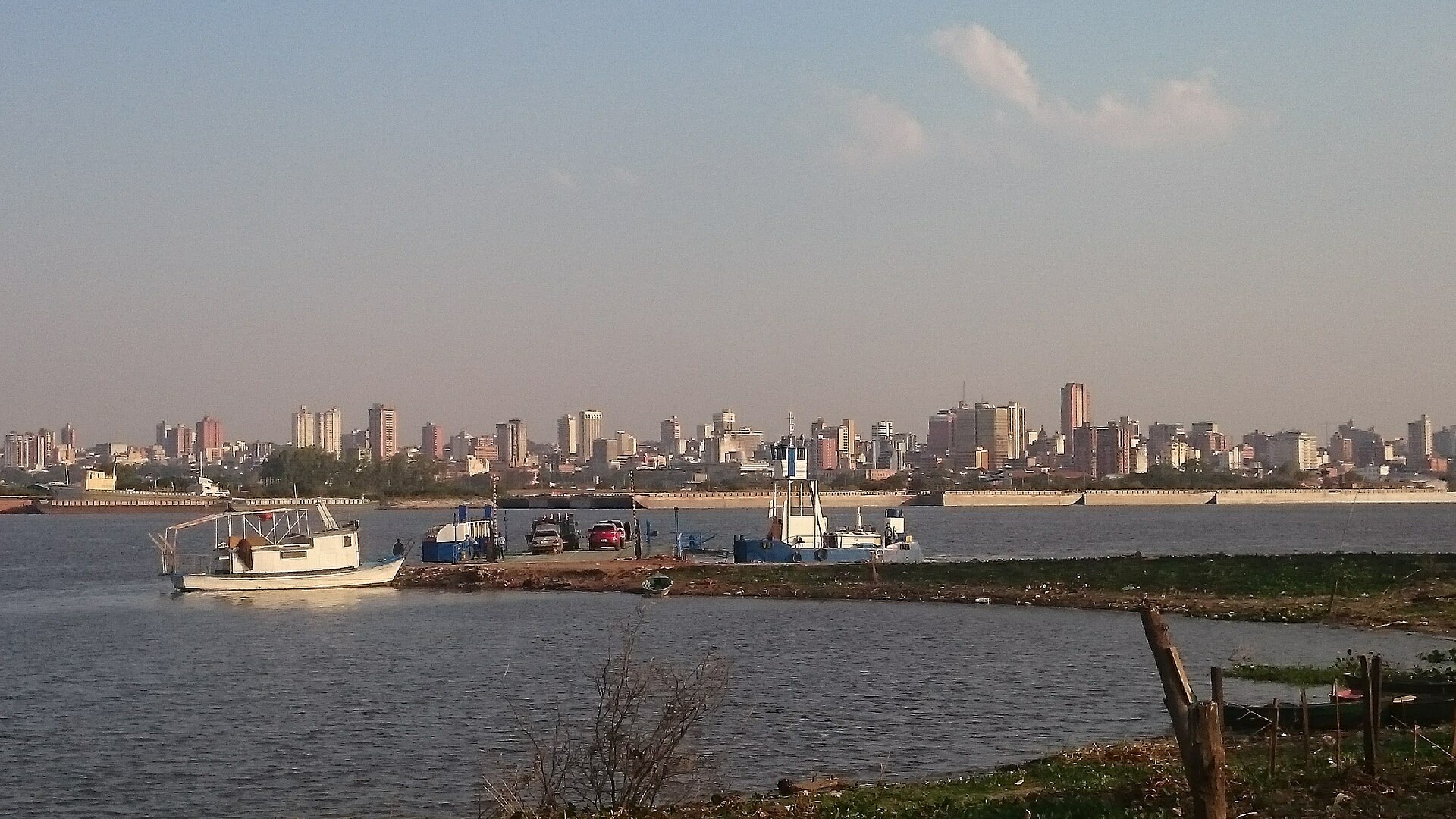
For wider context, see Paraguay in Latin America, Its Role and Alliances and Carvallo Resigns as Ueno Bank Is Shut. Visitors can read the Asunción city guide.
What Is Not Known
Prosecutors have not said which offences Carvallo will be formally charged with, and the full charge sheet has not been published. The Public Ministry can answer when it takes his statement, for which no date is given.
It is not stated what will happen to the holders of Ueno’s US$350 million notes. The central bank, which is running the resolution of the bank, can answer when it next reports on that process.
Frequently Asked Questions
Who is Carlos Carvallo?
He headed Paraguay’s central bank from 2023 until he resigned on 3 November. Earlier he had run Financiera Ueno, an earlier form of Ueno Bank.
Why did Carvallo surrender?
Prosecutors ordered his detention on Friday 6 November in the Ueno Bank case, so he reported to police with his lawyer. He is accused in a case titled breach of trust and others, and the allegations are unproven.
Has Carvallo been charged or convicted?
No conviction exists, and prosecutors have not published formal charges against him. He is to be held until prosecutors summon him for a statement.
What is Ueno Bank?
Ueno was a fast-growing Paraguayan digital bank that the central bank took over this week after a solvency crisis. Its collapse led to the central bank chief’s resignation and to the case now before prosecutors.
Does the Ueno case affect US investors?
Ueno sold US$350 million of five-year bonds in March under New York law and Rule 144A, so institutional investors abroad hold its debt. What happens to those notes has not been stated.
Sources: Ministerio de Economía y Finanzas, communiqué on the Caja Fiscal placement, 6 November 2026; ueno bank, US$350 million senior notes announcement, 9 March 2026; Ministerio Público, Prosecutorial Resolution No. 7 of 6 November 2026, case 92/2026; Banco Central del Paraguay, resolution notices (accessed 7 November 2026).
This article was produced by The Rio Times’ automated newsroom system. How we use AI · Report an error · Editorial responsibility: Matthias Camenzind, Editor-in-Chief