Argentina Country Risk Hits 451 Basis Points
Argentina · Markets
Key Facts
- —Argentina country risk hit 451 basis points on 7 August 2026, up 13 points on the day.
- —The JP Morgan EMBI index measures the extra yield over US Treasuries.
- —Weakness in Argentine dollar bonds and Wall Street drove the move.
- —The peso stayed stable near 1,499.50 per dollar in wholesale trade.
- —The BCRA managed liquidity as risk hovered near 451 basis points.
- —Gross reserves fell to USD 48.835 billion after an IMF payment.
- —Bonds in the OTC market improved only 0.1% on Friday.
Argentina’s country risk rose to 451 basis points on Friday, tracking weaker sovereign bonds and Wall Street losses.
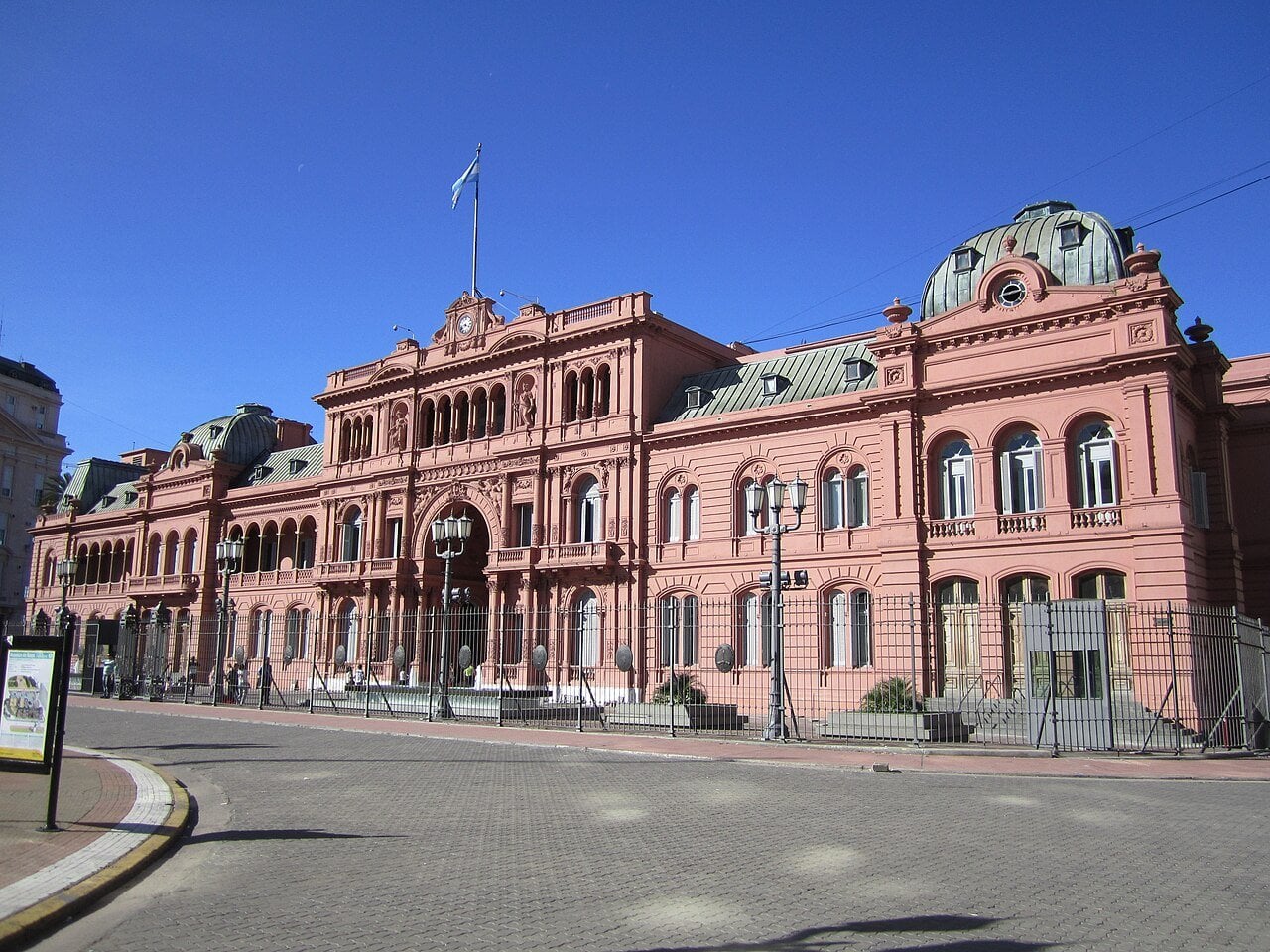
Argentina country risk climbed to 451 basis points on Friday, 7 August 2026, according to JP Morgan’s EMBI index.
What Happened to Argentina Country Risk
Argentina country risk rose 13 points to 451 basis points on Friday, 7 August 2026. That was a daily increase of about 3%, following 446 basis points on Thursday.
The move tracked falls in Argentine sovereign dollar bonds amid Wall Street weakness. One outlet also linked the rise to tensions in the Middle East.
Over five days, the indicator gained only a few percent, not 13%. The JP Morgan EMBI is the benchmark for this risk measure.
Reading the Number
A basis point is one-hundredth of a percentage point, so 451 basis points equals 4.51%. Country risk, or riesgo pais, shows the extra yield investors demand over US Treasuries.
Higher risk means investors see more chance of default or instability. The EMBI index tracks dollar bonds issued by emerging market governments.
For Argentina, 451 basis points is high but below past crisis levels. You can think of it as a premium for lending to Argentina.
What Drove the Move
The main driver was weakness in Argentine sovereign dollar bonds, reports show. Falls on Wall Street also pressured the indicator on Friday.
One outlet mentioned Middle East tensions as a secondary factor. Reuters said the peso stayed stable while risk hovered near 451 basis points.
There is no verified source linking the move to doubts over the FX plan. Bond prices and market expectations for the exchange rate are connected.
The Peso and the Central Bank
The peso traded around 1,499.50 per dollar in the wholesale market on Monday. Retail rates were near 1,515, close to the historic weak area of 1,500.
The BCRA managed liquidity to support the exchange-rate framework. Gross reserves fell to USD 48.835 billion after an IMF payment of USD 852 million.
Before that payment, reserves were about USD 49.642 billion. The central bank moderated reserve purchases to keep the peso stable.
Milei’s Balancing Act
President Javier Milei‘s government aims to keep the dollar below ARS 1,500. Economy Minister Luis Caputo oversees the FX plan, though no quote is verified.
Market commentary says bond prices imply a higher future exchange rate. The government balances reserve needs with market pressures.
Reserve purchases support the peso but reduce dollar buffers. The IMF payment shows Argentina meeting its obligations.
What Investors Should Watch
Watch the EMBI index for daily moves above 460 basis points. Track bond prices in the OTC market for recovery signs.
Monitor BCRA reserve levels after the IMF payment. Keep an eye on the peso’s wholesale rate near 1,500.
Any Wall Street selloff could push risk higher again. Middle East tensions remain a wildcard for global markets.
Why Country Risk Matters for Argentina
High country risk keeps Argentina locked out of cheap borrowing. Lenders demand steep premiums, so debt costs stay heavy.
This raises funding costs for the government and firms. It also pressures the peso and complicates reserve building.
A lower risk score would reopen global credit markets. That would ease financing and support economic stability.
Steady reserves and credible FX policy are key to reducing risk. Calmer global markets also help bring it down.
The Road Ahead
Argentina’s risk gauge recently hovered near 451 basis points. That level reflects persistent investor caution.
Bond prices fell on Wall Street weakness, pushing risk higher. Such moves show how external factors can hurt.
To improve, the country needs consistent reserve gains. A clear exchange-rate plan would also boost confidence.
Progress will be gradual, not dramatic. Sustained policy discipline and global calm could slowly lower the spread.
Frequently Asked Questions
What is Argentina country risk?
Argentina country risk is the extra yield investors demand to hold Argentine bonds over US Treasuries, measured by JP Morgan’s EMBI index.
Why did country risk rise to 451 basis points?
It rose due to weakness in Argentine sovereign dollar bonds and falls on Wall Street, with some influence from Middle East tensions.
What does 451 basis points mean in plain terms?
It means investors require a 4.51% higher yield on Argentine bonds compared to US government bonds, reflecting perceived risk.
How did the peso perform during the risk rise?
The peso stayed stable, trading around 1,499.50 per dollar in the wholesale market, with the BCRA managing liquidity.
Connected Coverage
- Argentina Markets: Merval & the Peso — August 7, 2
- Argentina Markets: Merval & the Peso — August 6, 2
- Argentina Markets: Merval & the Peso — August 5, 2
Sources: JP Morgan EMBI; Infobae; Reuters; Argentine market reports.
This article was produced by The Rio Times’ automated newsroom system. How we use AI · Report an error
In depth
LatAm Markets: Live Signals → — real-time movers, turnover leaders and FX across Latin America.
Read More from The Rio Times