Arcor Shuts La Campagnola Tuna Plant
Arcor says tuna is no longer caught in Argentina and local mackerel has run short, so cans will now come ready-made from abroad.

Business: Argentina
Argentine food group Arcor said on Thursday 19 November 2026 that it is closing for good the La Campagnola fish-canning plant in the port city of Mar del Plata, which had stopped production months earlier. The closure affects 75 workers, whom the company has offered transfers to its other plants.
The plant was the only one that made La Campagnola-branded canned fish. Its end is another step in the shrinking of Argentina’s once large canning industry.
Key Facts
- Who. Arcor, an Argentine food group, owner of the La Campagnola brand.
- What. Closure of the La Campagnola canned-fish plant in Mar del Plata.
- Workers. 75 people affected; Arcor offers all of them places at other group plants.
- Power Index. Argentina ranks 4th of 14 in The Rio Times Latin America Power Index, with 60.2 points (November 2026 edition).
- As of. 19 November 2026, 20:45 GMT
Arcor says tuna is no longer caught in Argentina and local mackerel has run short, so cans will now come ready-made from abroad.
Arcor blamed what it called an unsustainable production model in a statement published on 19 November. It said tuna stopped being fished in Argentine waters several decades ago, that the industry then imported frozen fish, mainly from Ecuador, to fillet, cook and can at home, and that the world has since moved to buying finished cans.
Arcor now plans to source finished products from their countries of origin instead of processing them in Mar del Plata, according to the statement as carried by La Nación and El Día. El Día adds that the brand keeps its promise of 100% tuna loin.
La Nación reports that canned tuna is now almost entirely imported, with cans coming from countries including Ecuador, Thailand and China. The Mar del Plata plant had canned imported tuna and processed Argentine mackerel until its line stopped.
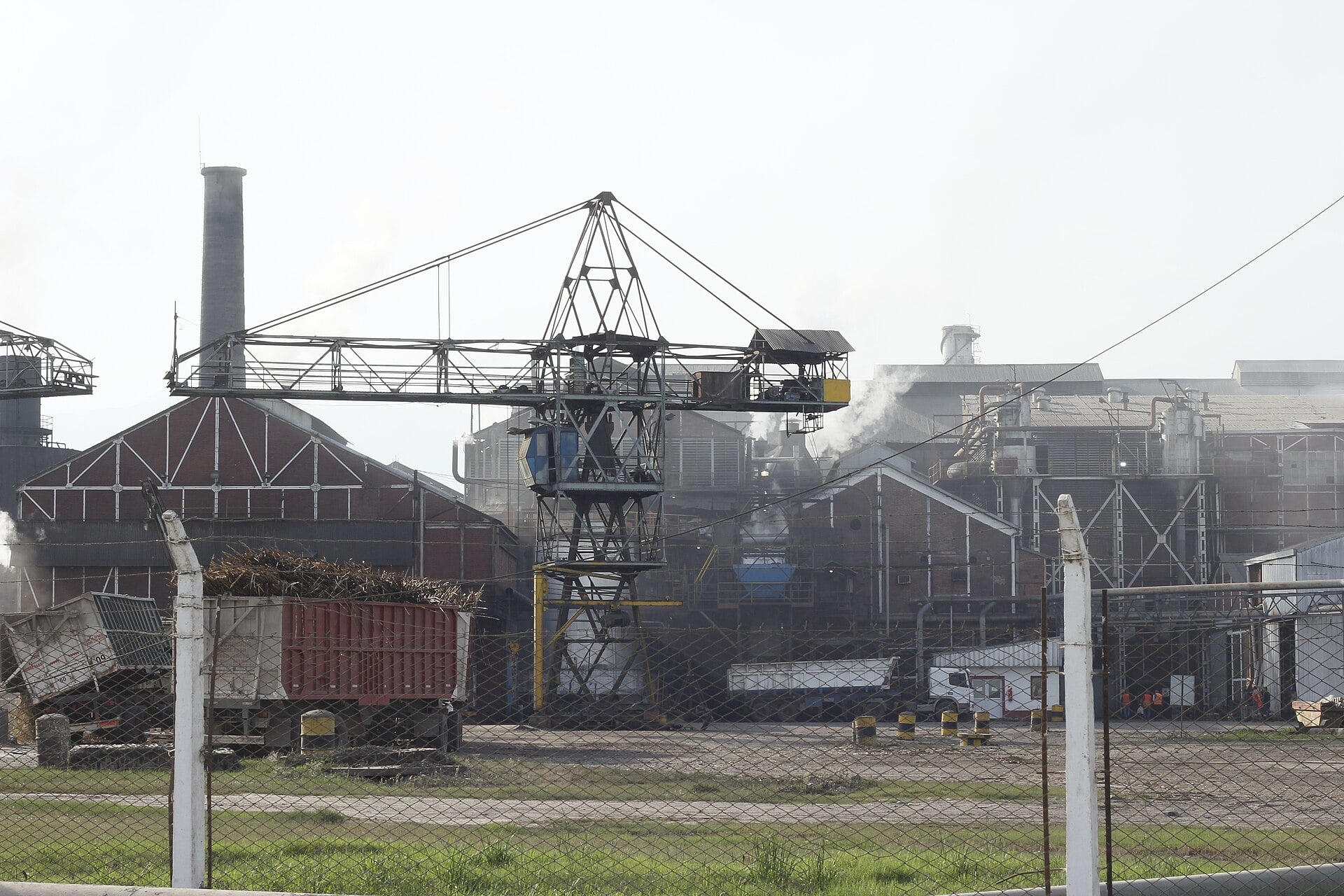
The halt did not come out of nowhere. In October 2026 La Campagnola stopped production at the plant and suspended about 60 workers, citing a stock of unsold tuna and a shortage of mackerel, according to the Mar del Plata daily La Capital.
Mackerel, known locally as caballa, was the fish the plant processed from Argentine waters. La Nación says the plant had been idle for months before the closure was announced.
La Nación reports that Arcor bought the plant about 20 years ago. The daily El Día notes that Mar del Plata once had about 35 factories canning mackerel, anchovy and tuna.
Some employees questioned the lack of advance information, according to Mar del Plata media summarised by iProfesional. They also voiced uncertainty about moving to plants in other provinces.
Arcor has not published how many of the 75 will accept a transfer or what separation terms apply to those who stay. The company says its other La Campagnola sites, in Villa Mercedes in San Luis province, in San Juan and in Recreo in Catamarca, will keep supplying the shelves.
The brand stays on sale in the usual shops, according to the company statement reported by El Día. For Mar del Plata, one of Argentina’s main fishing ports, the closure removes another employer from the waterfront.
Frequently Asked Questions
Is La Campagnola leaving the market?
No. The brand remains on sale and is still made at Arcor plants in Villa Mercedes, San Juan and Recreo.
What happens to the 75 workers?
Arcor says it will offer all of them a transfer to other plants in its group. It has not said how many will accept.
Why did Arcor close the plant?
The company says the global tuna trade moved to finished cans and that Argentine mackerel has run short, which made local canning unsustainable.
Sources
Published Thursday 19 November 2026. Arcor statement of 19 November 2026 (reported by La Nación) · El Día, 19 November 2026 · iProfesional, 19 November 2026 · La Capital Mar del Plata, October 2026
Connected Coverage
This article was produced by The Rio Times’ automated AI newsroom. Editorial responsibility: Matthias Camenzind, Publisher and Editor-in-Chief. The Rio Times also runs Ask Rio Times, which answers from 100,000+ of our own articles, the daily Latin America Power Map, and prediction-market odds on elections and markets.. How we use AI · Report an error