
Zimbabwe prices most things in US dollars, yet cash is scarce, power cuts are routine and a private hospital will want money before it treats you. The Reserve Bank of Zimbabwe (RBZ), the central bank, listed an average interbank rate (the price at which banks trade currency with each other) of 26.56 Zimbabwe Gold (ZiG), the local currency, per US dollar on Wednesday 11 November 2026, and annual inflation in US dollar prices was about 3.2% in October.
For an American weighing a move, the headline numbers look calmer than the country’s reputation. Daily life still takes planning, and this guide covers what that planning involves.
This is a guide to living there, not to getting a permit; for visas, work permits and residence, read our Zimbabwe visa and residency guide. Here we cover money, safety, health and the practical steps in between.
Key Facts
- Money Prices run mostly in US dollars; the central bank’s average rate was 26.56 ZiG per US$ on 11 November 2026.
- Inflation Annual inflation was about 3.2% in US dollar prices and 4.3% in ZiG prices in October 2026.
- Entry Most visitors get a visa on arrival, and leaving with more than US$2,000 in cash is illegal.
- Health Private clinics want payment before treatment, so insurance with evacuation cover matters.
- Daily life Power cuts and water rationing are frequent, and cash dollars can be hard to withdraw.
The costs that surprise newcomers are cash, power and healthcare. Plan for them before you plan for rent.
Zimbabwe in Plain English
The ZiG, short for Zimbabwe Gold, is the local currency issued by the RBZ. It circulates alongside the US dollar, which is still the main money for everyday trade.
The FCDO is Britain’s Foreign, Commonwealth and Development Office, whose travel advice covers Zimbabwe. The CDC is the US Centers for Disease Control and Prevention, whose travel pages list health risks and vaccines.
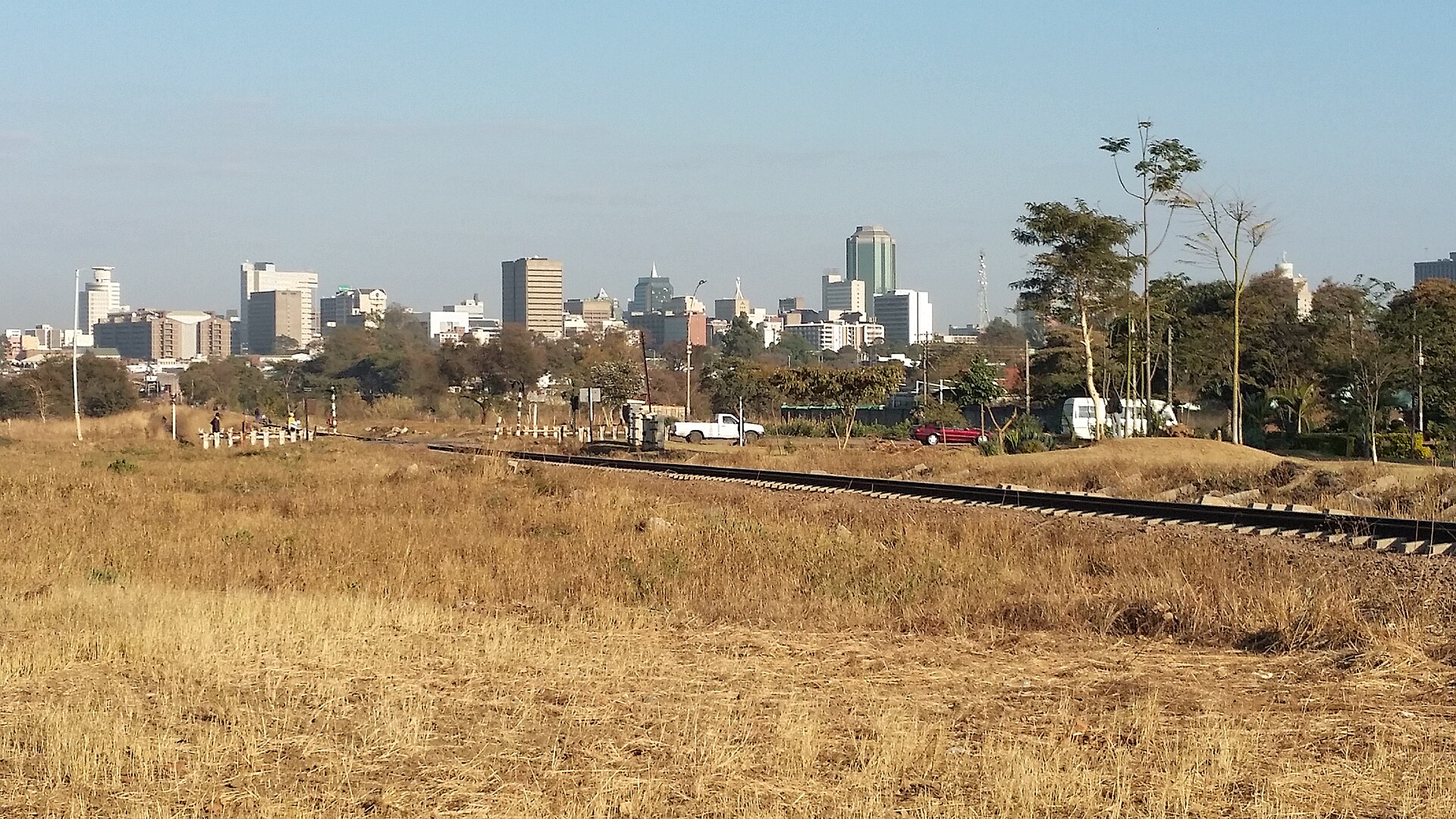
Harare is the capital. Victoria Falls in the north-west is the best-known tourist hub.
Money: What You Pay In and What You Face
On 11 November 2026 the RBZ website listed an average interbank rate of 26.5631 ZiG per US$. At that rate, ZiG 1,000 is worth about US$37.65.
The RBZ website lists annual inflation in US dollar prices at about 3.2% in October 2026. Prices measured in ZiG rose 4.3% over the year.
That is a very different picture from the hyperinflation Zimbabwe is known for abroad. Our own report on the October reading is in Zimbabwe Inflation Rises to 4.3% in October, and the wider currency story sits in our Zimbabwe explained guide.
The FCDO says US dollars work for most transactions in Zimbabwe. It also warns of a shortage of physical US dollar cash, so a withdrawal with an international debit or credit card is not always possible.
Some businesses, including some medical providers, do not accept cards at all, according to the FCDO. It adds that Zimbabwe’s economy is unpredictable and that monetary policy can change at short notice.
Two cash rules matter at the border. The FCDO says you must declare cash or travellers cheques worth US$10,000 or more, and that it is illegal to leave Zimbabwe with cash worth more than US$2,000.
Safety: Crime, Roads and the Law
The FCDO describes a moderate level of crime in Zimbabwe. Mugging, pickpocketing and bag-snatching are common in city centres, especially after dark.
It also reports occasional armed robberies that target foreign residents, and smash-and-grab thefts from vehicles. Common sense follows from that: keep valuables out of sight in cars and avoid city centres after dark.
The FCDO calls the standard of driving very poor and says ambulances are unreliable. It adds that fuel is sometimes unavailable and that queues can form.
A UK driving licence is valid for up to 12 months, according to the FCDO; check what your own licence allows before you drive. Mobile and landline networks are described as unreliable.
Some local laws surprise newcomers. The FCDO says sex between men and same-sex marriage are illegal in Zimbabwe.
It is also illegal to photograph government offices, airports, military sites, political party offices, official residences and embassies without special permission. Photographing police, armed forces, demonstrations and protests is likewise banned, so keep your camera away at any gathering.
Power, Water and Everyday Planning
The FCDO reports frequent and sometimes long power blackouts because of electricity shortages. It also notes water rationing in parts of the country.
A newcomer should therefore ask about backup power and water storage before signing a lease. For the wider economic context, see our guide to who runs Zimbabwe’s economy.
Healthcare, Insurance and Vaccines
The FCDO says healthcare quality in Zimbabwe is variable and can be very poor outside the major cities. Private clinics will not treat patients until they pay, and often ask for large amounts of cash before admitting emergency cases, even when you hold travel insurance.
The FCDO adds that medical costs, particularly for evacuation, can be high and urges adequate travel health insurance. From a mobile phone, dial 112 and ask for an ambulance.
For vaccines and medicines, the CDC recommends that travellers to Zimbabwe take prescription medicine to prevent malaria. The CDC also lists hepatitis A and hepatitis B among the vaccines to discuss, and asks all international travellers to be fully vaccinated against measles.
On cholera, the CDC says active transmission is localised to Manicaland, Mashonaland Central, Mashonaland East and Midlands provinces, and that the disease is rare in travellers. It advises avoiding unsafe food and water and washing hands, and says vaccination may be considered for those travelling to affected areas.
The CDC also notes that the Medicines Control Authority of Zimbabwe, the national medicines regulator, has reported counterfeit ABHAYRAB, a brand of rabies vaccine, in circulation. Speak to a travel clinic before you leave, because the CDC says some malaria medicines must be started before the trip.
A Practical Checklist for the First Month
- Confirm your entry route and any permit you need, using our visa guide as a map.
- Buy travel health insurance that covers private treatment and evacuation.
- See a travel clinic about malaria medicine and vaccines well before you fly.
- Carry US dollar cash within the US$2,000 limit, and ask your bank how cards behave abroad.
- Ask any landlord about backup power and water before you sign.
- Plan trips by day, avoid unfamiliar city centres after dark and keep cars locked with nothing visible.
What This Means for a Move From the US
Budget in US dollars and treat cash access, health cover and power as the real costs of a move. The inflation figures suggest that prices are steadier than in past years, but the FCDO warns that policy can change at short notice.
For most Americans, the first test is a short stay in Harare or Victoria Falls before committing to a lease. That test shows how you cope with blackouts, cash and distances before you ship a household.
What Is Not Known
We did not find an official rent or household-budget series for foreign residents, so this guide gives no monthly cost figure. Any number quoted by agents or forums is unverified.
We do not state the current level of the US State Department’s Zimbabwe advisory. Check travel.state.gov before you book.
Frequently Asked Questions
Do I need a visa to move to Zimbabwe?
Yes. Most visitors get a visa on arrival, and our visa guide covers the permits needed to work or settle.
Is Zimbabwe safe for expats?
The UK Foreign Office (FCDO) rates crime as moderate, with muggings in city centres after dark and occasional armed robberies of foreign residents. Smash-and-grab thefts from cars are also reported.
What money should I bring to Zimbabwe?
US dollars are accepted for most transactions, but physical dollar cash is short and cards are not always taken. Carry cash within the legal limits and check what your bank will allow.
Sources: Reserve Bank of Zimbabwe, website rates and inflation figures, 11 November 2026 · UK FCDO Zimbabwe travel advice, still current 12 November 2026 · CDC Zimbabwe travel health page, read 12 November 2026
This article was produced by The Rio Times’ automated AI newsroom. Editorial responsibility: Matthias Camenzind, Publisher and Editor-in-Chief. The Rio Times also runs Ask Rio Times, which answers from 100,000+ of our own articles, the daily Latin America Power Map, and prediction-market odds on elections and markets.. How we use AI · Report an error