UK Rejects Argentina’s Falklands Oil Charges as Standoff Hardens
Key Facts
Argentina is using criminal complaints and court orders to pressure the companies behind an oil project off the Falkland Islands. On 18 September Britain answered that the charges are “unacceptable, with no legal justification”.
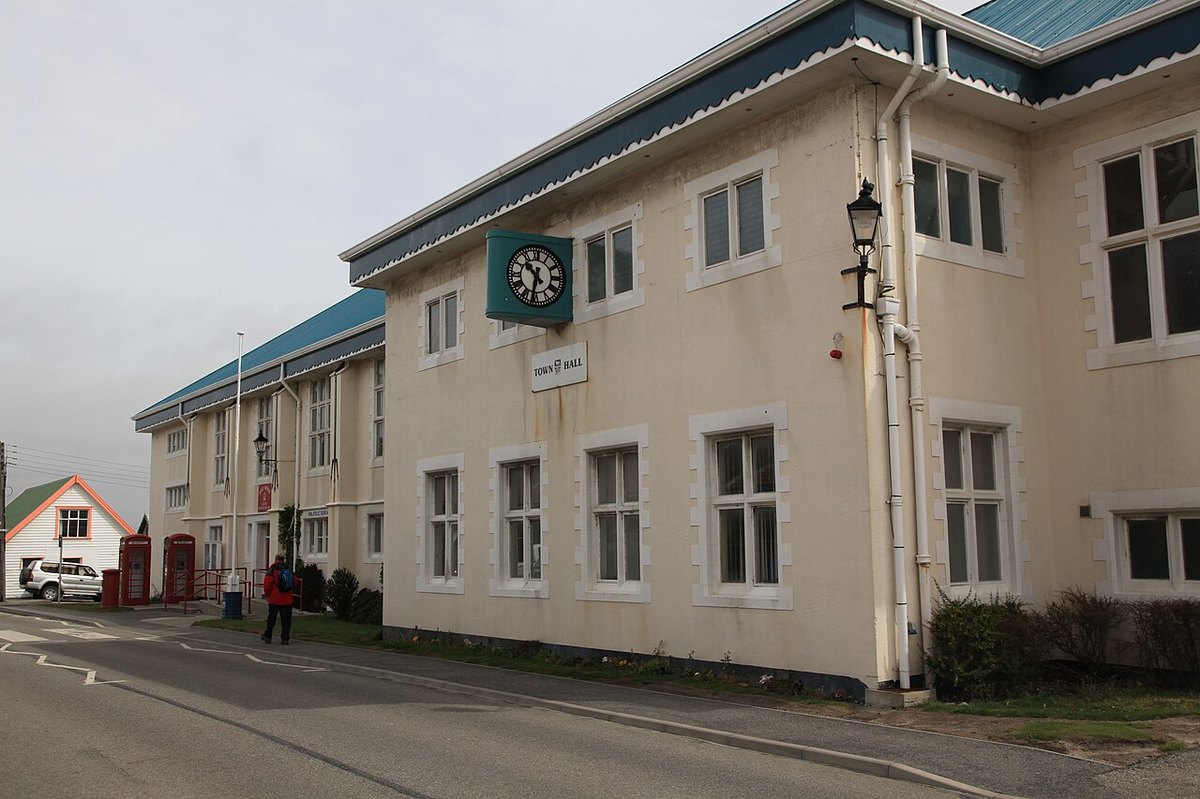
Uma Kumaran, the British minister responsible for overseas territories, issued the statement through the Foreign Office on 18 September 2026. Argentina’s foreign minister, Pablo Quirno, replied the same day that London’s stance shows it does not want to negotiate.
Why This Matters Beyond Argentina
The Falkland Islands, which Argentina calls the Malvinas, are a British overseas territory in the South Atlantic. About 4,000 people live there, and Britain has run the islands since 1833 except for a short interruption in 1982.
That interruption was Argentina’s invasion, which started a war lasting about two months. It killed 649 Argentine troops, 255 British service members and three islanders, NPR reported.
Argentina’s constitution enshrines its claim, and NPR describes the cause as one that cuts across the country’s political divides. In a 2013 referendum, 99.8% of islanders voted to remain a self-governing British overseas territory.
Britain’s official line is that it will not discuss sovereignty unless and until the islanders so wish. What has changed is oil, because the Sea Lion field north of the islands is now moving towards production.
Its partners are British firm Rockhopper Exploration and Israel’s Navitas Petroleum, which operates the project. In December 2025 Rockhopper put budgeted costs to completion at US$2.1 billion, including contingencies and financing costs.
Argentina argues that licences granted by the islands’ government are invalid because it claims sovereignty over the area. It also cites UN General Assembly Resolution 31/49, which it reads as barring unilateral steps while the dispute lasts.
What London Said
The text appeared on GOV.UK, the British government’s website, at 16:21 London time as a Foreign Office press release. It was not a statement to Parliament, and it did not name any company, judge or Argentine law.
It began by stating that “the Falkland Islands are British”. It added that islanders “have the right to develop their natural resources as they see fit”.
It said Argentina “has continued to threaten businesses and individuals” supplying the islands, including in the hydrocarbons sector. “The UK Government and our diplomatic network stands fully behind those businesses and individuals,” the statement said.
The key line read: “These charges against companies and individuals are unacceptable, with no legal justification”. It also called any attempt “to politicise international mechanisms” against people doing Falklands business “illegitimate”.
That phrase appears aimed at any Argentine effort to pursue executives through courts or legal requests abroad. The statement closed by promising to “work tirelessly with the Falkland Islands Government” to protect islanders’ wishes.
What Britain Is Responding To
On 16 September, federal judge Mariel Borruto in Tierra del Fuego, Argentina’s southernmost province, ordered the Sea Lion partners to halt work. Her injunction bars drilling, offshore installations and port construction pending an Argentine environmental review, the Associated Press reported.
On 17 September, President Javier Milei’s government sent Congress a bill to replace Law 26,659, the 2011 sanctions law. The bill raises maximum prison terms from 15 to 20 years, the Buenos Aires Times reported.
Argentina’s government says it has sent about 180 warnings to people and companies in 30 countries. It says it has also opened 60 administrative files and filed three criminal complaints covering ten companies and their directors.
MercoPress reported that none of the administrative proceedings has yet produced a penalty. None of the allegations in the criminal complaints has been proven in court.
How Buenos Aires Answered
Quirno replied on 18 September in an interview with journalist Eduardo Feinmann on the A24 news channel. He said British support for the oil companies “demuestra la posición del Reino Unido de no querer sentarse a negociar”.
In English, that means it shows the United Kingdom does not want to sit down and negotiate. Quirno tied that to UN resolutions that, in Argentina’s reading, bar unilateral steps while the dispute lasts.
He also said Argentina has “ninguna intención belicosa”, meaning no warlike intention, according to EFE and A24. Private firms, he said, will have to choose between illegitimacy on the islands and larger legitimate opportunities in Argentina.
The Companies and the Islanders
Rockhopper and Navitas have not issued a specific response to the British statement. Rockhopper declined to comment on the injunction, and Navitas did not immediately respond, the Associated Press reported.
Their last formal position came in a Rockhopper market notice on 4 September, quoting Navitas as operator. It said the partnership holds “valid petroleum licenses lawfully granted to it by the Government of the Falkland Islands”.
It added that recent developments were “not expected to have a material effect” on Sea Lion development. Rockhopper then closed an open offer on 15 September, raising about US$20 million for its 35% share, MercoPress reported.
On 4 September the islands’ Legislative Assembly told Milei “our future is a matter for the people who live here to decide”. No new Falkland Islands Government statement on the charges or the injunction appears on its press page.
The Washington Factor
The dispute sharpened after Donald Trump said on 31 August, “I always review every position,” Euronews reported. Euronews said he complained that Britain had “not been there to help me” over Iran.
In Dublin on 12 September he doubted Britain would travel “that far” and said he could “probably” settle any conflict. In April a State Department spokesperson said Washington’s “position on the islands remains one of neutrality”.
Quirno told A24 that the United States “ha decidido tomar una posición de neutralidad”, meaning it has chosen neutrality. That matters because Argentina hopes closer ties between Milei and Trump will strengthen its claim, Infobae reported.
How the Pressure Works
Argentina cannot enforce its laws or court orders on the islands themselves, which Britain administers. Judge Borruto acknowledged this, saying compliance depends on international cooperation and the companies’ conduct.
The leverage runs instead through firms that also sell, invest or operate inside Argentina. Milei’s proposed legislation could bar such firms from operating or signing contracts in Argentina, NPR reported on 4 September.
London’s reply rests on the same limit in reverse, arguing that no third country’s courts have a basis to act. Its 15 September guidance says it cannot see how courts outside Argentina “would be able legitimately to exercise jurisdiction”.
The same guidance tells firms that receive Argentine letters to obtain independent legal advice. It also says it is a statement of the government’s position and does not constitute legal advice.
What It Means If You Do Business in Argentina
Suppliers with contracts on both sides now face a choice that Quirno described in plain terms. Argentina says its roughly 180 warnings have gone to people and companies in 30 countries, not only Britain.
The British statement offers diplomatic backing, not legal immunity inside Argentina’s courts or markets. Firms should check whether their directors or subsidiaries appear in any of the three complaints filed so far.
Investors in Rockhopper and Navitas have been told the partners expect no material effect on development. MercoPress, citing the partners, puts drilling in early 2027 and first oil in the first half of 2028.
What Is Not Yet Known
It is not known when Congress will debate the sovereignty bill, or whether it has the votes. Milei asked legislators to give it “the highest priority and speed”, the Buenos Aires Times reported.
It is also unclear whether the companies will contest the Tierra del Fuego order in an Argentine court. Neither Britain nor Argentina has said whether diplomats will meet on the dispute before year end.
Argentina has not named every firm and person under investigation, and none of the allegations has been proven. Milei travels to New York next week for the UN General Assembly, where Infobae expects the islands to feature prominently.
Frequently Asked Questions
Why does this matter?
Argentina is trying to stop a US$2.1 billion oil project by threatening the companies involved. Britain’s response shows neither side is backing down in a dispute that led to war in 1982.
Who called Argentina’s measures unacceptable?
Uma Kumaran, the UK Minister for Overseas Territories, in a Foreign Office press release on 18 September 2026. The key line said the charges are “unacceptable, with no legal justification”.
How did Argentina reply?
Foreign Minister Pablo Quirno said British support for the oil firms shows London will not negotiate. He also said Argentina has no warlike intention.
Is the Sea Lion oil project stopping?
The partners say their Falklands licences are valid and expected no material effect on development. Argentine court orders cannot be enforced on the islands themselves.
Sources: GOV.UK, Minister for Overseas Territories statement on the Falkland Islands, 18 September, GOV.UK, Doing business with the Falkland Islands, 15 September, A24, Quirno interview on the Malvinas claim, EFE via ABC Color, Argentina says British support shows it will not negotiate, Rockhopper Exploration, Sea Lion update following media report, Rockhopper Exploration, financial close on Sea Lion project, Associated Press via ABC News, Argentine judge orders halt to Falklands oil project, Buenos Aires Times, sovereignty defence bill sent to Congress, Buenos Aires Times, US confirms its neutrality on the Malvinas, NPR, Argentina escalates Falklands dispute, Euronews, Trump hints US may not back UK over the Falklands, MercoPress, Argentina’s foreign ministry rejects UK guidance, MercoPress, Falklands Assembly answers Milei, MercoPress, Rockhopper raises US$20 million for Sea Lion, MercoPress, UK calls Argentine action unacceptable, MercoPress, Trump says he could settle any Falklands conflict, Infobae, Milei’s UN speech and the Malvinas
This article was produced by The Rio Times’ automated newsroom system. How we use AI · Report an error
Read More from The Rio Times