Trump Calls a Falklands Conflict a Potential Disaster
ARGENTINA · SOUTH ATLANTIC
Key Facts
- —The remark Trump said on 12 September in Dublin that a conflict between Argentina and the United Kingdom over the Falklands would be a potential disaster.
- —The offer He added that if called in, he would probably be able to settle it.
- —The scepticism He also questioned whether Britain would or could send forces, citing its domestic pressures.
- —The decree Argentina created a Sistema de Articulación de la Política Exterior by Decree 983/2026, published around 11 September.
- —Who runs it It sits inside the foreign ministry under Pablo Quirno, and can flag other agencies whose dealings conflict with the sovereignty claim.
- —The awkward part It cuts across Argentine business figures with London-linked interests, including Eduardo Elsztain, who holds a small stake in the Falkland Islands Company.
An American president offered to mediate a war that has not started, on the same weekend Buenos Aires gave every ministry a Malvinas compliance check.
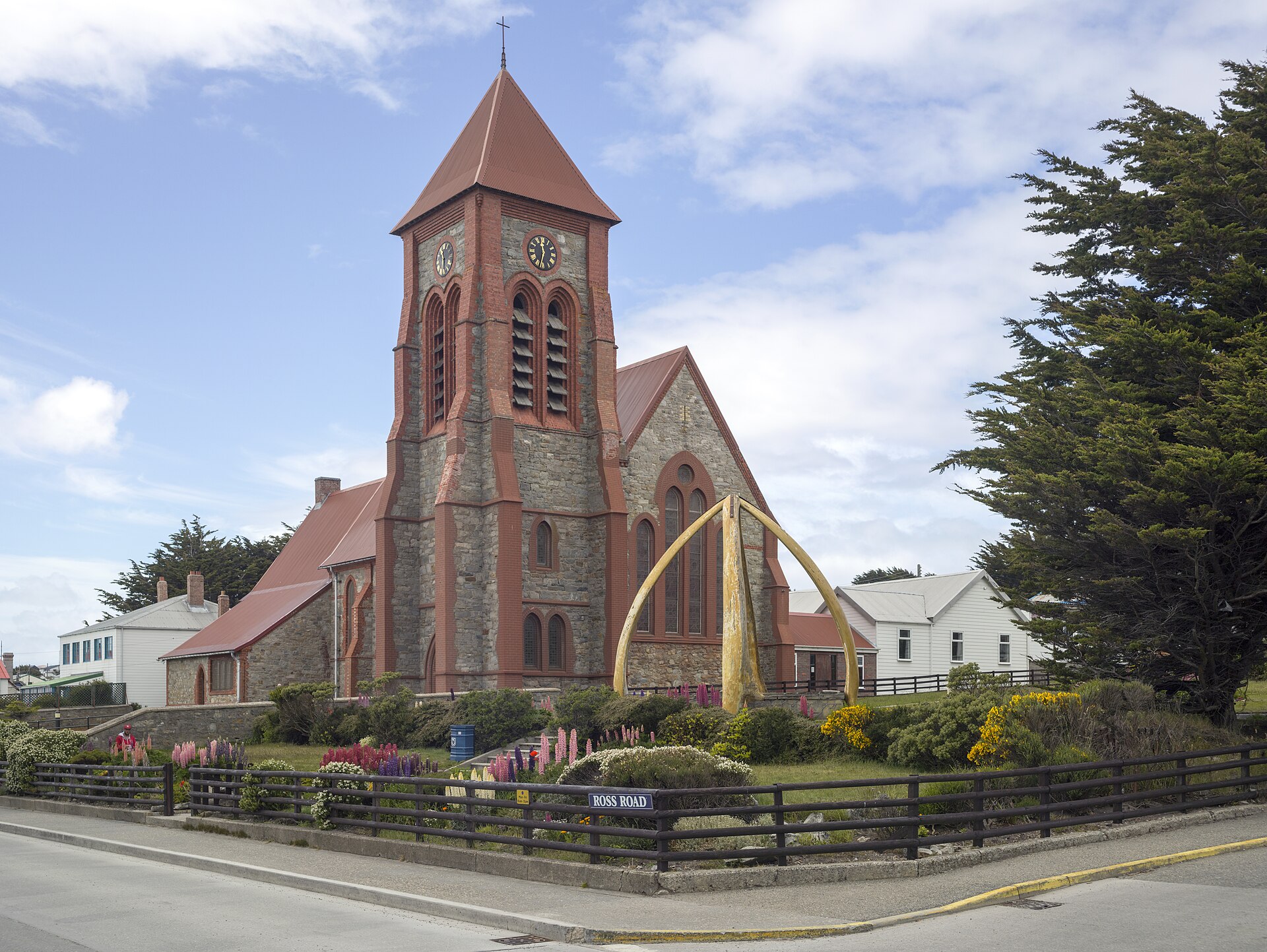
Donald Trump was asked in Dublin on Saturday about the possibility of renewed conflict between Argentina and Britain over the Falklands, and answered by offering to settle it.
What He Said
The remark came during Trump’s visit to Ireland and his meeting with Taoiseach Micheál Martín, on 12 September 2026.
His words, as reported: I’m sure I’ll be called into that potential disaster, but if they do, I’ll probably be able to settle, settle it out.
Spanish-language coverage rendered the phrase as un desastre potencial and reported that he also doubted Britain would or could send forces, citing immigration and energy pressures at home.
It is an unusual intervention. The United States formally takes no position on sovereignty, and an American president publicly doubting British resolve is not a neutral contribution.
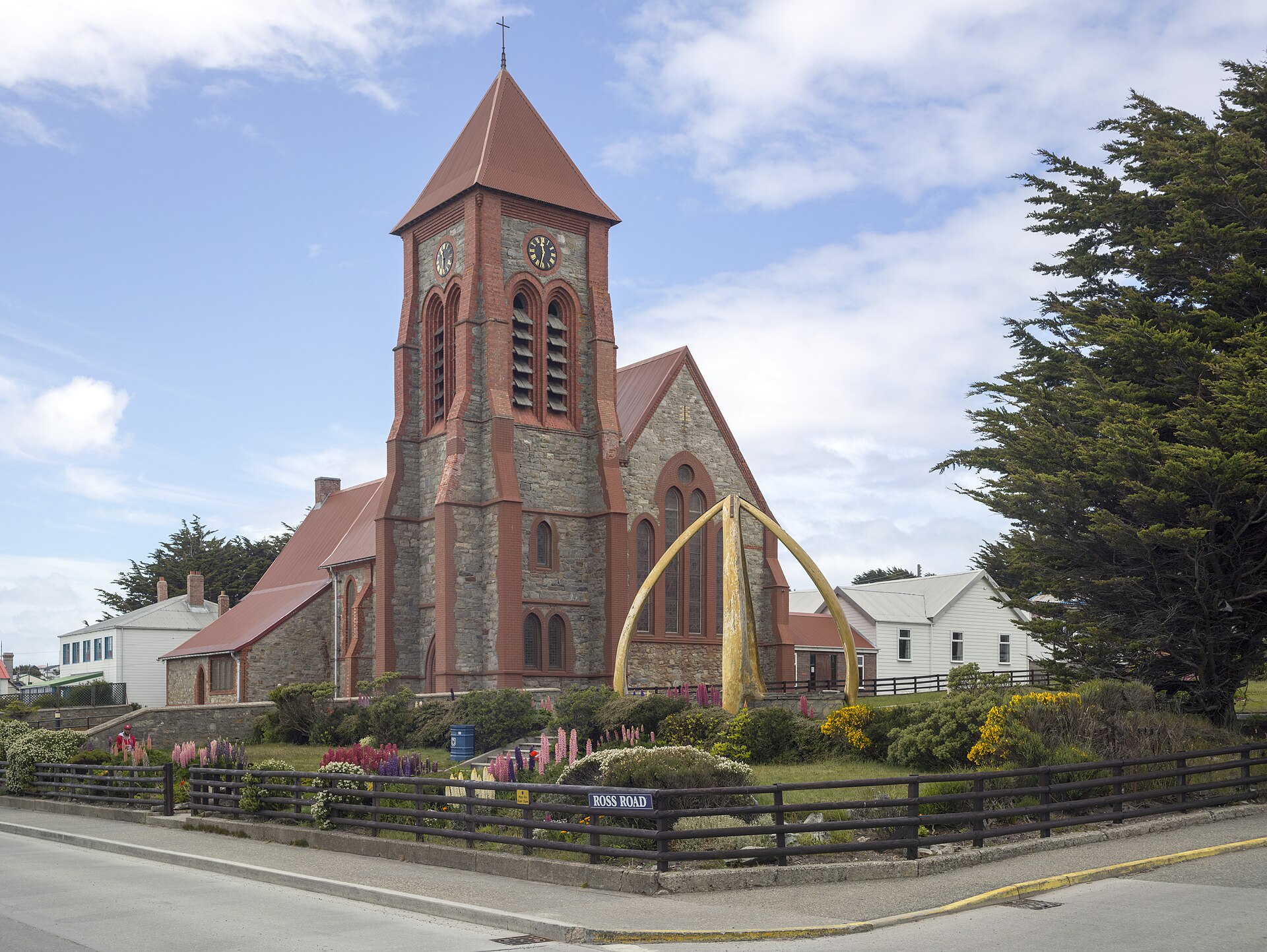
What Buenos Aires Did the Day Before
Decree 983/2026, published in the Boletín Oficial around 11 September, creates a Sistema de Articulación de la Política Exterior inside the foreign ministry.
It sits under Foreign Minister Pablo Quirno and requires every state body’s international dealings to align with the Malvinas sovereignty claim. The system can flag agencies whose arrangements cut across it.
That is a compliance mechanism rather than a diplomatic initiative, and it is aimed inward.
Who It Complicates
Perfil reports the nationalist turn creating difficulty for business figures close to the government.
Eduardo Elsztain of IRSA has held roughly 2 percent of the Falkland Islands Company since 2005, and was blocked from majority ownership by British authorities in 2017. Quirno has publicly defended him as the opposite of a traitor.
Others named include Starlink, which signed an islands internet agreement on 8 September with no sanction applied, and Affinity Partners, which holds an indirect stake through Phoenix Financial in Navitas, the operator of the Sea Lion project. Harbour Energy sits inside Argentina’s RIGI incentive regime despite past exploration near the islands.
A compliance system that flags dealings inconsistent with the sovereignty claim has, on that list, a good deal to flag.
Why an American Offer Is Not Neutral
The United States has never taken a position on Falklands sovereignty. It stayed formally neutral in 1982 while providing material assistance to Britain, and every administration since has kept the same public line.
An offer to settle a dispute is not neutrality. It implies there is something to settle, which is Argentina’s position and not Britain’s, and Britain’s consistent line is that self-determination has already settled it.
The additional remark, doubting whether Britain would or could send forces, moves further still. It is a public assessment of an ally’s capability offered in front of the country disputing that ally’s territory.
Whether London responds is the thing to watch. British governments generally do not engage with speculation about American mediation, precisely because engaging concedes the premise.
The Timing of the Decree
Decree 983/2026 landed the day before, which makes the sequence awkward for Buenos Aires rather than helpful.
A government that has just built a machinery to align every state dealing with its sovereignty claim now has an American president publicly treating that claim as a dispute requiring mediation. That is closer to what Argentina wants than anything Washington has said in decades.
It is also a reminder of how little control either side has over the framing. Argentina spent the week filing criminal complaints against oil company directors and building an internal compliance system, and the intervention that moved the story came from a press conference in Dublin.
More: Argentina news in English, every day from The Rio Times.
Frequently Asked Questions
What did Trump say?
That a conflict between Argentina and the United Kingdom over the Falklands would be a potential disaster, and that if called in he would probably be able to settle it. He spoke in Dublin on 12 September 2026.
What did Argentina create?
A Sistema de Articulación de la Política Exterior, by Decree 983/2026, inside the foreign ministry under Pablo Quirno.
What does it do?
It requires state bodies’ international dealings to align with the Malvinas sovereignty claim and can flag those that do not.
Who does it complicate?
Argentine business figures with London-linked interests, including Eduardo Elsztain, who holds about 2 percent of the Falkland Islands Company.
Does the United States take a position on sovereignty?
No. Washington has formally taken no position, which is what makes the remark notable.
Sources: LadBible, Infobae, Ambito, La Patilla, La Nacion, Canal 26, Perfil.
This article was drafted with automated assistance and reviewed before publication. How we use AI · Report an error
In depth
Read More from The Rio Times