
Suriname’s president, Jennifer Simons, says her government wants to stop the coming oil industry from pushing up prices and leaving ordinary citizens behind. She set out the plan in a Surinamese broadcast interview on Saturday, 7 November 2026, ahead of the country’s first offshore oil, due in 2028.
Key Facts
- What Simons wants to stop oil-sector money and foreign workers from pushing up prices for local people.
- Funds Three legally anchored funds will manage future oil income: savings, investment and social.
- Timing The law change goes to the National Assembly, Suriname’s parliament, in the second half of 2027.
- Jobs Few local applicants meet oil-job requirements, so foreign firms are to train Surinamese.
- Oil First oil from GranMorgu, an offshore project led by French oil major TotalEnergies, is due in 2028.
Suriname is planning for an oil boom before it arrives, with funds for the money and a push on food and jobs for the people.
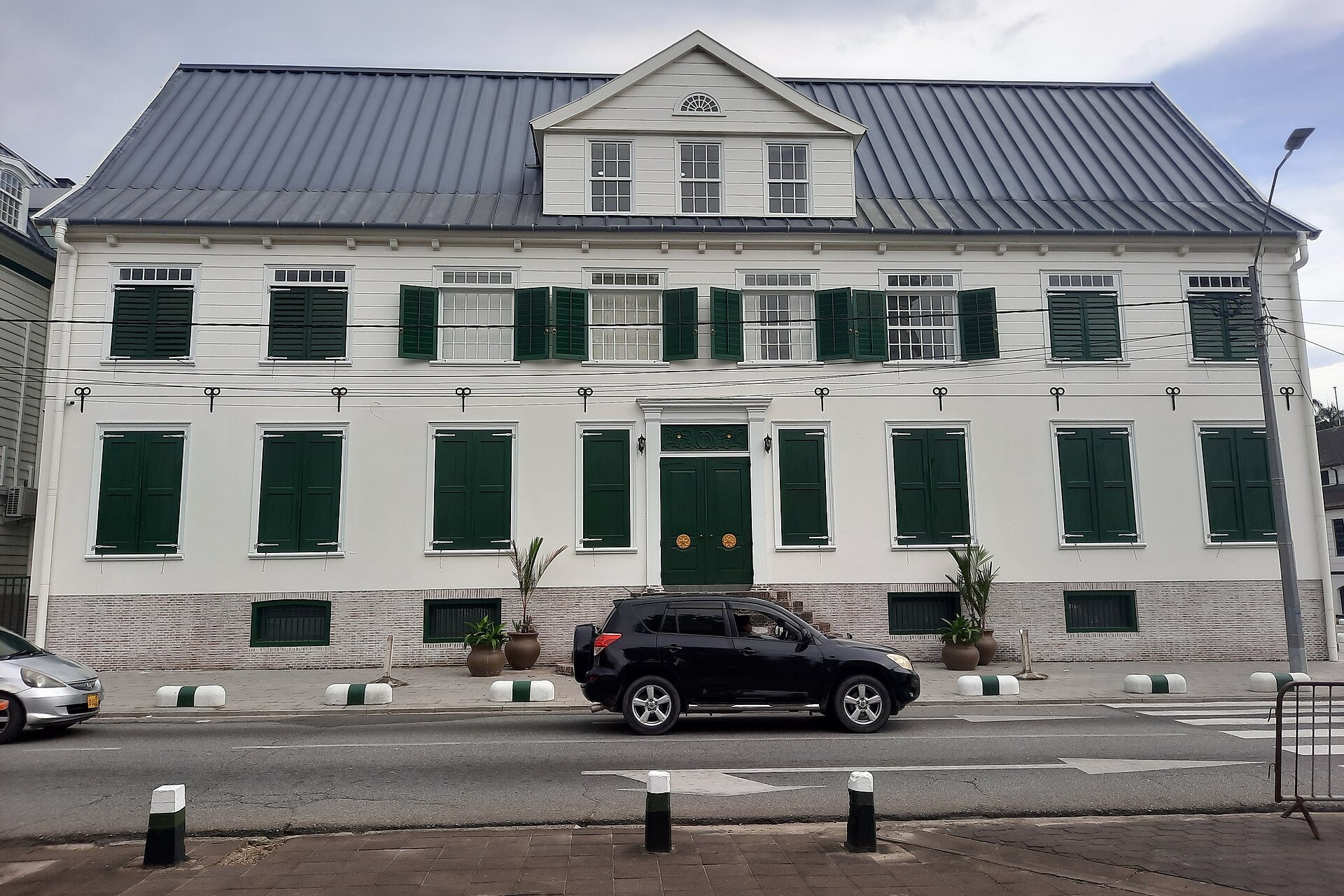
What Simons Said About Prices
Simons said foreign companies and foreign workers with higher purchasing power can push up prices once oil and gas activity starts. She said the sector must not leave ordinary citizens behind.
To soften the effect, her government wants to raise domestic food production so farmers can prevent shortages and sharp price rises. The government is also trying to speed up existing projects without taking on new loans, she said.
Three Funds for Oil Money
The government is preparing three funds, each anchored in law, to manage future oil income: a savings and stabilisation fund, an investment fund and a social fund. The savings and stabilisation fund, set up in 2017, is to get a new legal basis.
Simons said an obligation tied to the Value Recovery Instrument, an oil-linked arrangement from Suriname’s debt restructuring, has been lifted. The government aims to submit the fund law change to the National Assembly in the second half of 2027.
Jobs, Migration and Health Care
Few local applicants currently meet the requirements for oil-sector jobs, Simons said. She wants foreign companies to train Surinamese workers.
Clear rules on foreign labour and residence rights are still needed, she said. The National Development Platform, a government body, is consulting social groups on a long-term development plan called the Roadmap 2029 to 2050.
On health care, a renewed health system is planned for 2027, with residents and non-Surinamese contributing according to their means. Future oil income is meant to help finance it.
The Oil Behind the Plan
Annand Jagesar, head of Staatsolie, Suriname’s state oil company, has said that first oil from GranMorgu, the offshore project run by French oil major TotalEnergies, remains on track for mid-2028. The project, built around a floating production vessel with a capacity of 220,000 barrels a day, was approved in 2024 at an investment of about US$10.5 billion, a figure since reported nearer US$12 billion.
APA Corporation, a US oil company based in Houston, is TotalEnergies’ partner in the project, and Staatsolie takes part as the state company. See also our report on the GranMorgu schedule.
The same interview produced Simons’s statement that the government will keep its fuel subsidy for now. For background on who holds influence in the country, see our explainer on power in Suriname.
What It Means for You
For US readers who follow Suriname through APA or TotalEnergies, the plan is a policy sketch, not law: the bill is not due before the second half of 2027. For visitors and residents, prices matter more than barrels, and the president has named food and health care as the areas she wants to protect.
Related reading: our report on Suriname’s power supply. Policy choices on oil income will help decide how fast services such as electricity and health care improve.
What Is Not Known
The size of the funds, their detailed rules and the date they take effect were not reported. No figures have been published for how much food production must rise or which projects will be sped up.
It is also open how quickly local workers can be trained before oil activity peaks. The migration and residence rules for foreign workers have yet to be drafted.
More: Suriname news in English, every day from The Rio Times.
Frequently Asked Questions
What does Suriname plan to do with its oil money?
President Jennifer Simons said the government is preparing three legally anchored funds: savings and stabilisation, investment and social. The aim is to manage oil income responsibly and make sure society benefits from it.
When will Suriname’s oil funds become law?
Simons said the law change is targeted for the National Assembly in the second half of 2027. No details of the fund rules have been published.
When does Suriname’s first oil start?
Staatsolie’s head has said that first oil from the GranMorgu project remains on track for mid-2028. TotalEnergies leads the project with APA Corporation and Staatsolie as partners.
Sources: President Jennifer Simons, broadcast interview, 7 November 2026; Government of Suriname (gov.sr), statements on the 7 November interview; TotalEnergies, GranMorgu project announcements (totalenergies.com); Staatsolie (staatsolie.com).
This article was produced by The Rio Times’ automated AI newsroom. Editorial responsibility: Matthias Camenzind, Publisher and Editor-in-Chief. The Rio Times also runs Ask Rio Times, which answers from 100,000+ of our own articles, the daily Latin America Power Map, and prediction-market odds on elections and markets.. How we use AI · Report an error