
- Who: Sudanese Armed Forces (SAF) and Rapid Support Forces (RSF), the rival armed formations fighting since April 2023.
- What: SAF continued near-daily airstrikes on RSF positions and troop concentrations, extending a roughly two-week air campaign.
- Where: Darfur and Kordofan regions, both major theaters of the conflict.
- When: Thursday, October 22, 2026, Port Sudan time.
- Casualties: No independently verified casualty figure for the October 22 strikes is available.
- Prediction markets: Polymarket puts a Sudan ceasefire by 31 December 2026 at 8.0% (23 Oct 2026, 3:52 a.m. ET).
- UN Context: UN says more than 1,100 civilians were killed by drones in the first half of 2026.
Air Campaign Reaches Two Weeks
The Sudanese Armed Forces continued an air campaign against Rapid Support Forces positions and troop concentrations in Darfur and Kordofan on Thursday, October 22, according to Sudan Tribune, in the latest turn of the Sudan war. The operation has lasted about two weeks and has involved attacks on RSF-held cities on an almost daily basis.
The latest reporting describes the campaign as an escalation in tempo rather than a confirmed territorial breakthrough by either side. No independently verified account in the available reporting establishes the number of people killed or wounded in the October 22 strikes.
This story is part of our coverage of the sudan war. Dates, times and how to follow it are in our guide.
UN Warns of Civilian Toll
At an October 16 UN Security Council briefing, UN Under-Secretary-General Rosemary DiCarlo said weapons were still flowing into Sudan and the parties were continuing to recruit fighters, leaving a high risk of further escalation. DiCarlo said recent attacks had hit schools, courthouses and university facilities.
UN spokesperson Stéphane Dujarric said on October 19 that continuing drone strikes were killing civilians, including children, and disrupting essential services. The UN has urged both sides to stop using armed drones or agree to concrete limits and enforcement mechanisms.
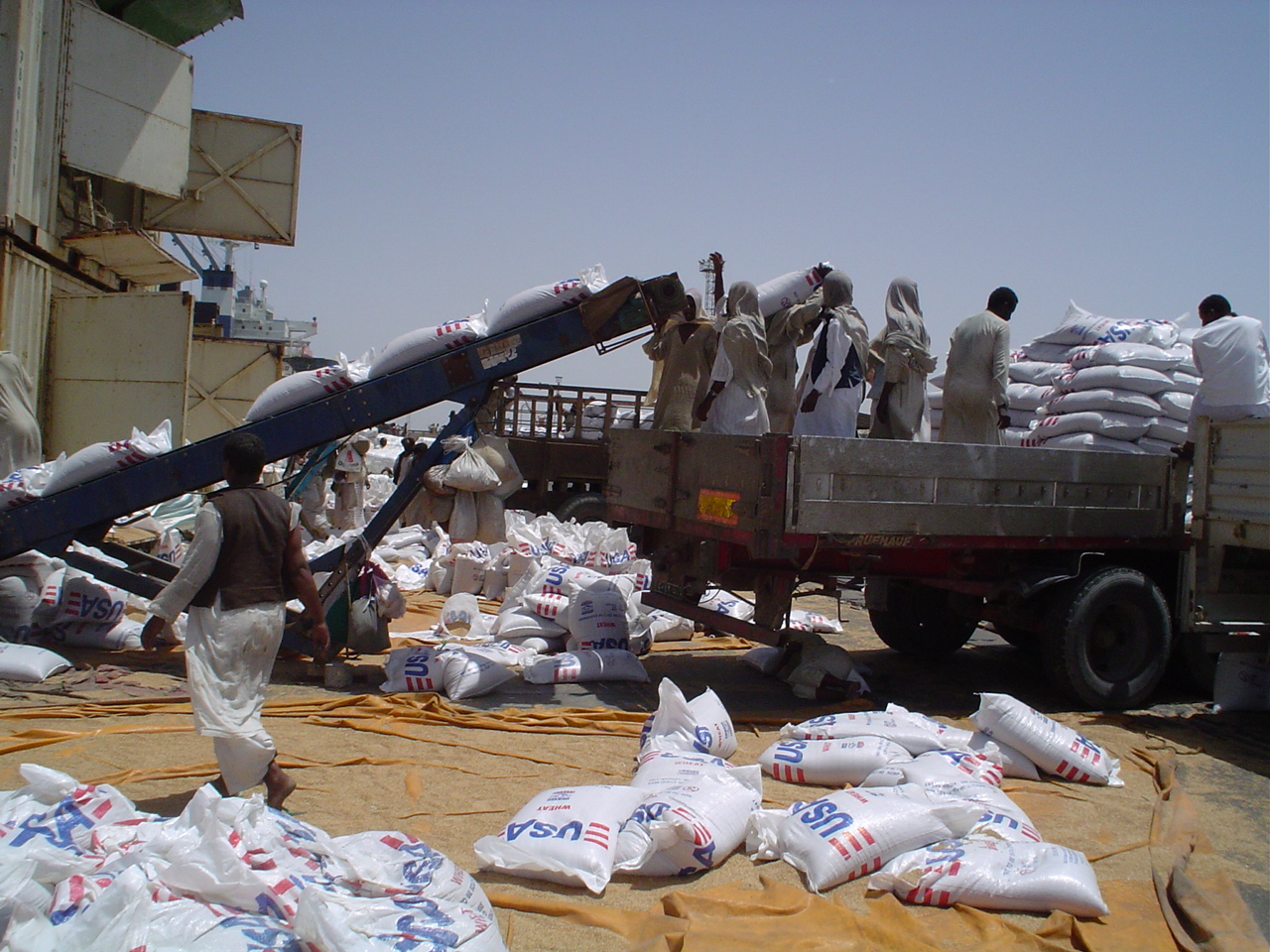
The UN says drones were the main cause of civilian deaths, with more than 1,100 killed by drone strikes in the first half of 2026. The UN says about 20 million people face acute hunger, while famine risk is increasing in parts of Darfur and Greater Kordofan.
Geneva Talks Resume
International consultations resumed in Geneva on October 21, involving more than 20 countries and international bodies. UN envoy Pekka Haavisto called for practical de-escalation measures and channels to create conditions for a comprehensive ceasefire.
Switzerland’s State Secretary Alexandre Fasel said, “The war in Sudan has become a drone war; it kills mostly civilians.” Neither the Sudanese Government nor the RSF are represented at the Geneva meeting, as the mechanism was established for mediators to coordinate their actions.
What Authorities Say
The SAF has not, in the available report, released a detailed October 22 strike-by-strike statement, casualty count or independently verifiable battle assessment. The UN has condemned the continuing attacks and urged both sides to restrain their use of armed drones.
The World Food Programme strongly condemned an October 3 aerial attack on two of its contracted trucks in South Kordofan, in which one driver was killed. The agency said the trucks were carrying food aid.
What It Means for US Readers
The escalation in Sudan’s air war matters to US readers because Washington is part of the so-called “Quad” mechanism on Sudan, alongside Saudi Arabia, the United Arab Emirates and Egypt. American officials have pressed for a ceasefire and safe aid access while the conflict drives what the UN calls the world’s largest hunger and displacement crisis.
What Prediction Markets Say
Polymarket, a prediction market where traders bet real money, puts the chance of a Sudan ceasefire by 31 December 2026 at 8.0%, as of 23 October 2026, 3:52 a.m. ET. About US$119,600 has been traded on that question.
These prices are bets, not polls. Why we show this: prediction markets turn real-money bets into a live probability that moves within minutes of the news, which is why investors, campaigns and newsrooms in the United States now follow them closely. We show them next to polls and official results, never instead of them.
What Is Not Known
Whether the October 22 strikes caused civilian deaths or damage is not established by the available reporting. The identities of the aircraft or drone operators, the precise military targets, and whether any claimed RSF positions were hit remain unverified.
There is no confirmed evidence in the available reports that the air campaign has changed control of territory. Responsibility for many individual drone attacks remains disputed; the UN has condemned the pattern of attacks but has not attributed every incident to a specific side. The effect of the Geneva consultations remains uncertain.
Frequently Asked Questions
Who is fighting in Sudan?
The Sudanese Armed Forces, the national army, are fighting the Rapid Support Forces, a rival paramilitary group. The war began in April 2023.
Why are drones central to this war?
The UN says more than 1,100 civilians were killed by drones in the first half of 2026. It has urged both sides to stop using armed drones or accept enforceable limits.
What is the humanitarian situation?
The UN says about 20 million people face acute hunger, with famine risk rising in parts of Darfur and Greater Kordofan. The UN calls it the world’s largest hunger and displacement crisis.
Are peace talks under way?
Consultations resumed in Geneva on 21 October with more than 20 countries and international bodies. Neither the Sudanese government nor the RSF is represented there.
This article was produced by The Rio Times’ automated newsroom system. How we use AI · Report an error · Editorial responsibility: Matthias Camenzind, Editor-in-Chief
Part of our ongoing coverage
Africa: The New Scramble — the great-power contest over the continent.
Horn of Africa and the Red Sea
- Horn of Africa 2026: Why It Matters and Who Backs Whom
- Ethiopia’s Neighbors Explained, Ports, Eritrea, Somalia
- Eritrea Explained 2026, a Red Sea Country Guide
- Somalia Explained: Al-Shabaab, Somaliland, the Ports and the Fight Over a 2026 Vote