SUDAN · ECONOMY
Published Thursday, 22 October 2026, 4:42 p.m. ET (10:42 p.m. Port Sudan) · Source: Radio Dabanga, Sudan Independent, Sudan’s Central Bureau of Statistics
Sudan’s army chief has ordered the lifting of a ban on imports of dozens of goods, including basic foods. On the same day, the dollar sold for 10,300 Sudanese pounds (about US$1 each) on the parallel market.
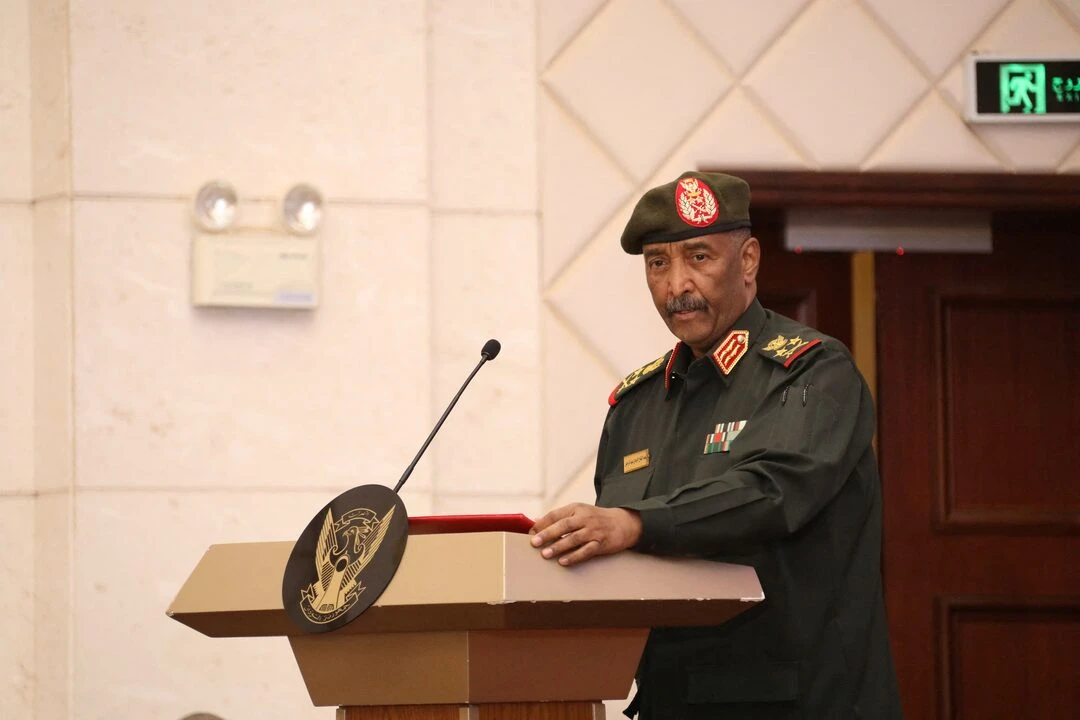
Gen. Abdelfattah al-Burhan, who leads the country’s ruling Sovereignty Council and commands its army, gave the order on Wednesday 21 October 2026, according to Sudan Independent and Radio Dabanga.
The move comes amid the Sudan war, which has broken supply chains and pushed prices up. Radio Dabanga counts 46 goods in the cancelled ban; that number comes from one outlet, and no official list has been published.
Key Facts
- —What happened Sudan’s army chief ordered an import ban on dozens of goods cancelled, Radio Dabanga reports.
- —Who decided Gen. Abdelfattah al-Burhan, who heads the ruling Sovereignty Council and commands the army.
- —The numbers Parallel-market dollar sold at 10,300 pounds (about US$1 each) on Thursday; annual inflation hit 28.29% in September.
- —What next Importers want a formal written order; ministers have not yet published the list of freed goods.
- —US readers The war’s economic strain shapes food prices and aid needs across Sudan.
This story is part of our coverage of the sudan war. Dates, times and how to follow it are in our guide.
In plain English
Sudan had banned imports of goods the government called non-essential, to ease pressure on its weak currency. Importers said the ban emptied shelves and raised prices, so the army chief has now ordered it lifted.
What the Order Changes
Sudan Independent reports that flour, rice, pulses, cooking oils, vegetables and fruit can now enter without customs duties. Other goods that were banned return to ordinary customs procedures, it adds.
Finance Minister Jibril Ibrahim said the decision takes account of consumers’ hardship while protecting local producers. He made the remarks on Thursday 22 October.
Pound Slides, Prices Climb
Currency dealers sold the dollar at 10,300 Sudanese pounds (about US$1 each) on Thursday and bought it at 10,200, up 100 from Wednesday, Radio Dabanga reports. This is a street rate, not an official central bank price, and traders expect further rises.
Our earlier report covers the pound’s fall past 10,000 to the dollar.
Sudan’s Central Bureau of Statistics says annual inflation reached 28.29% in September, up from 26.14% in August. Monthly inflation was 7.5%.
Food and drink prices rose 36.81% over the year. Urban inflation stood at 40.35%, against 21.18% in rural areas.
Importers Want It in Writing
The National Importers’ Chamber welcomed the move but wants Prime Minister Kamil Idris to issue a clear, enforceable decision cancelling Resolution No. 74, which introduced the restrictions. Its chairman, El Sadiq Jalal El Din Saleh, said the ban disrupted markets and caused substantial losses to importers.
Radio Dabanga reports that traders and consumers saw some prices fall right after the announcement. Economists quoted by the outlet blame inflation on wartime damage to production, reliance on imports, the weak pound and the use of the customs dollar, the exchange rate used to calculate import duties.
What It Means for US Readers
Cheaper and more available food imports could ease some pressure on households in a country where the war has cut farming and trade. Our guide to Sudan’s hunger crisis explains how aid groups are responding.
For companies and charities shipping goods into Sudan, the key question is how customs will treat cargo while the written order is pending. Dealers’ dollar rates also show how fast the pound is weakening.
What Is Not Known
It is unclear whether the order legally overrides Resolution No. 74 without a written cabinet decision. The list of 46 goods has not been published, and officials have not said whether the duty-free treatment is permanent.
The reports do not say how the duty-free list relates to the 46 goods, and the exact time of the order is not reported. It is also unclear if prices will keep falling, since the dollar is still rising.
Frequently Asked Questions
What did Sudan’s government decide?
Sudan’s army chief and Sovereignty Council chairman, Gen. Abdelfattah al-Burhan, ordered a ban on imports of dozens of goods cancelled. Radio Dabanga puts the number at 46; a list has not been published.
Which goods are now duty-free?
Sudan Independent reports that flour, rice, pulses, cooking oils, vegetables and fruit may enter without customs duties. Other goods return to ordinary customs procedures.
Is the ban legally cancelled yet?
Not fully, say importers. Their chamber wants Prime Minister Kamil Idris to issue a written order cancelling Resolution No. 74, which introduced the ban.
Why does the dollar rate matter?
Sudan imports many basics, so a weaker pound raises shop prices. Dealers sold the dollar at 10,300 Sudanese pounds (about US$1 each) on Thursday, up 100 from Wednesday.
How high is inflation in Sudan?
Sudan’s statistics bureau puts annual inflation at 28.29% for September, up from 26.14% in August. Food and drink prices are up 36.81% on a year earlier.
Sources: Radio Dabanga, 22 October 2026; Sudan Independent (Arabic), 22 October 2026.
Editorial responsibility: Matthias Camenzind, Editor-in-Chief · Editorial standards · Report an error
Horn of Africa and the Red Sea
- Horn of Africa 2026: Why It Matters and Who Backs Whom
- Ethiopia’s Neighbors Explained, Ports, Eritrea, Somalia
- Eritrea Explained 2026, a Red Sea Country Guide
- Somalia Explained: Al-Shabaab, Somaliland, the Ports and the Fight Over a 2026 Vote