
SUDAN · ANALYSIS
Key Facts
- —What is happening The 21 October 2026 Geneva meeting brought together international mediators, but neither the Sudanese Armed Forces nor the Rapid Support Forces attended.
- —Why it matters The meeting produced no ceasefire, no direct talks, and no date for future negotiations between the belligerents.
- —The numbers The Geneva meeting produced no ceasefire and no date for further talks.
- —Who is who Sudan’s army and the Rapid Support Forces are the two warring sides, and neither attended the meeting.
- —What to watch Pekka Haavisto, the UN Secretary-General’s Personal Envoy for Sudan, announced plans to convene the consultative meeting every three months.
- —What it means for you The failure of Sudan ceasefire talks raises risks for Red Sea shipping routes, regional migration pressures, and US humanitarian funding commitments that American taxpayers and businesses indirectly underwrite.
Sudan ceasefire talks in Geneva failed to produce any agreement because the meeting was designed as a coordination forum for mediators, not a direct negotiation between the warring parties. For US readers, the absence of the Sudanese Armed Forces and the Rapid Support Forces signals that the war will continue to destabilise Red Sea shipping, drive displacement, and demand American humanitarian funding without a clear exit.
Sudan, Africa’s third-largest country by area, sits on the Red Sea opposite Saudi Arabia and borders Egypt, Chad, South Sudan, Ethiopia and Libya. This analysis explains why the Geneva coordination meeting ended without progress, what each outside power can actually deliver, and what a credible ceasefire would require. It draws on the Africa Intelligence Brief published on 22 October 2026.
What the Geneva Meeting Was and Was Not
The 21 October 2026 meeting at the Palais des Nations in Geneva brought together international mediators. It was co-chaired by Switzerland and the United Nations.
The purpose was to improve coordination among the actors trying to mediate Sudan’s war, support de-escalation and prepare an inclusive political process. The agenda covered security, political issues and the regional dimension of the conflict.
The UN explicitly described the meeting as a mechanism for mediators to coordinate their actions, rather than as a negotiating table for the two belligerents. That distinction matters because a coordination meeting creates no obligation on the Sudanese Armed Forces or the Rapid Support Forces to stop fighting, exchange prisoners, withdraw forces or open supply routes.
Geneva therefore addressed a real problem, fragmented international diplomacy, but not the core bargaining problem between the armies. The meeting ended without a humanitarian ceasefire, comprehensive ceasefire, or date for direct talks.
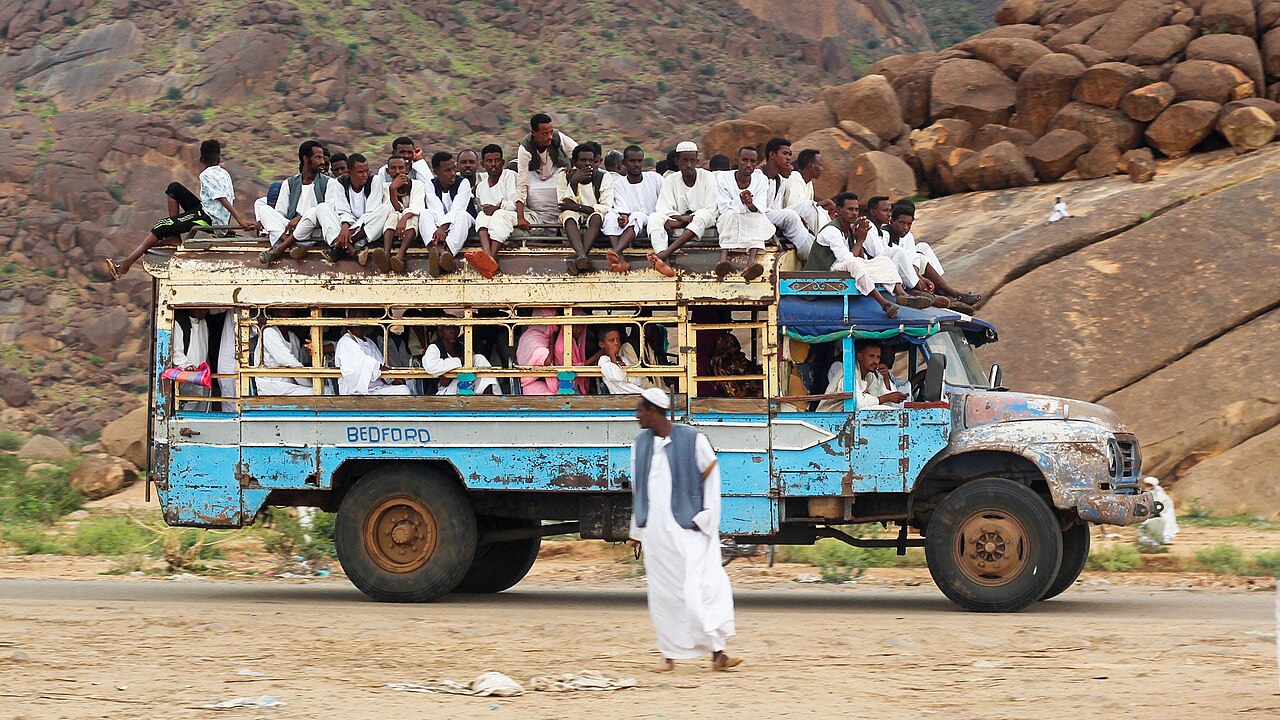
Who Is Fighting and Why They Still Expect Victory
They fell out over the timetable and terms for integrating the RSF into the regular army. The dispute became a struggle for control of the state, territory, economic resources and the political future of Sudan.
The most important obstacle is not a shortage of diplomatic meetings. It is that both sides continue to see war as a route to a better settlement.
The UN envoy said both the regular armed forces and the RSF continued to believe in military victory. As long as each side believes that another offensive, new weapons or stronger external backing could improve its position, a ceasefire can look less attractive than continued combat.
The Numbers That Define the Crisis
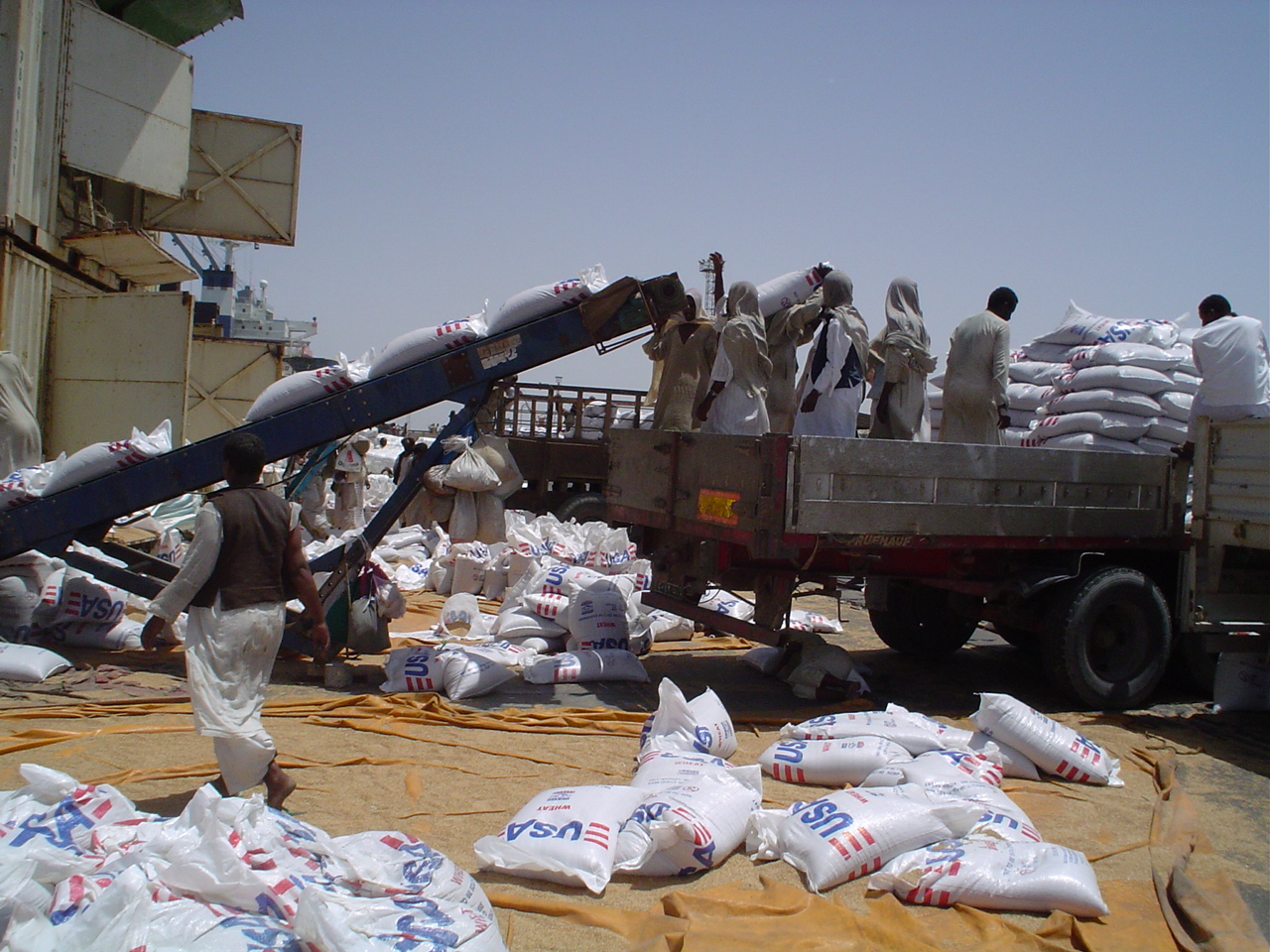
The humanitarian cost is already larger than a conventional ceasefire agenda suggests. UN officials described a deepening crisis, with millions facing acute food insecurity and civilians bearing the brunt of escalating drone warfare.
An October 2026 UN update reported the following figures:
- Emergency levels of acute malnutrition were reported across much of Darfur.
The exact death toll remains difficult to verify because access is severely restricted.
For foreigners, investors and regional businesses, the humanitarian crisis is also a risk indicator. It signals weakened state capacity, disrupted transport and payments, heightened border controls, insecurity around ports and trade corridors, and a greater probability of regional spillover.
The Outside Powers and What They Can Actually Deliver
United States
Washington has four major sources of influence. The first is the Quad, a four-country mechanism comprising the United States, Saudi Arabia, the United Arab Emirates and Egypt, which the UN described as working toward a humanitarian truce.
The Quad’s potential advantage is that its members collectively have more access to the parties and neighbouring states than a purely Western diplomatic process. Its weakness is internal: the Quad only works if its members apply compatible pressure.
The second source is sanctions. The United States can target commanders, financiers, companies, facilitators and networks involved in atrocities or weapons transfers.
The third is humanitarian funding. US financing can keep food, health and displacement programmes operating, but aid is not a substitute for access.
The fourth is Red Sea and migration security. Sudan’s location matters beyond its borders because instability threatens Red Sea shipping, coastal security, ports and regional trade routes.
Egypt
Egypt has the clearest state-to-state relationship with the Sudanese Armed Forces and views Sudan as central to its national security. A strong Sudanese state, a stable southern border and protection of Nile-water interests are Cairo’s priorities.
That gives Egypt access to the army and influence over the formal Sudanese state. But its perceived alignment with the SAF makes it harder for Cairo to serve as a neutral broker in negotiations that require RSF concessions.
United Arab Emirates
The UAE has significant regional, commercial and diplomatic leverage. It is an important actor in the Quad and has influence over regional financial and logistics networks.
Allegations that it has supported the RSF have made its role particularly consequential; Abu Dhabi has denied backing the group. The UAE’s leverage could help secure an RSF commitment to a truce, humanitarian access and participation in talks.
But the same leverage is politically damaging if the SAF and Sudanese civilians believe the UAE is using mediation to preserve RSF power rather than end the war.
Saudi Arabia
Saudi Arabia has geographical and strategic reasons to seek a settlement. Sudan sits across the Red Sea from the Kingdom, and prolonged conflict threatens maritime security, investment conditions and regional stability.
Riyadh can offer access, diplomatic hosting and economic incentives. Its influence would be stronger if combined with a clear commitment that neither side will receive political or material rewards for violating a ceasefire.
What a Credible Ceasefire Would Require
A workable ceasefire would need to be narrower and more enforceable than previous diplomatic declarations. The next serious stage cannot remain a meeting among external mediators.
Senior SAF and RSF representatives would need to attend, with authority to commit their forces and with named channels to their field commanders. The parties should not be asked to solve Sudan’s constitutional future before stopping immediate violence.
A practical sequence would be:
- Local humanitarian pauses in clearly mapped areas.
- Opening and protection of specified aid corridors.
- A nationwide cessation of offensive operations.
- Verification and force-position reporting.
- Prisoner and detainee arrangements.
- Negotiations on security structures and a civilian transition.
Monitoring should involve the UN, African Union and trusted regional or international personnel, with satellite, drone and communications evidence where appropriate. Past ceasefire proposals have struggled because the parties doubt that the other side would comply and doubt that outside sponsors would punish violations consistently.
The Geneva participants called for concrete steps that would quickly improve civilian protection and welcomed Quad efforts toward a humanitarian truce. But without verification and consequences, a truce risks becoming a pause that each side uses to resupply and reposition.
The Economic and Business Stakes
Sudan’s war economy rewards continuation. Both forces have access to revenue, territory and commercial networks, including control of mines, trade routes, taxation points, ports, agricultural areas and urban infrastructure.
Sanctions can raise costs, but they do not automatically dismantle war economies. If commanders can still obtain weapons, fuel, foreign currency and political support, sanctions become a background risk rather than an immediate reason to negotiate.
For US investors and businesses, the direct exposure is limited but not zero. Red Sea shipping disruptions affect global supply chains, insurance costs and energy transit routes.
The instability also increases pressure on Egypt, Chad, South Sudan, Ethiopia and other neighbours through displacement and irregular migration. Those interests give Washington a reason to treat Sudan as a strategic crisis rather than only a humanitarian file.
What It Means for You
For a US reader, the failed Sudan ceasefire talks translate into three practical consequences. First, American humanitarian funding will face continued pressure as needs grow while access remains blocked.
Second, Red Sea shipping routes that carry goods between Asia, the Middle East and Europe will remain exposed to regional instability. Third, migration pressures on Egypt and other US partners will persist, with potential implications for American foreign assistance and border security cooperation.
The limitation is that US diplomatic and financial leverage has not yet been translated into a unified enforcement strategy capable of changing battlefield calculations. Until that changes, the war will continue to generate costs that American taxpayers and businesses indirectly absorb.
What Is Not Known
As of 22 October 2026, no confirmed direct SAF-RSF negotiation, ceasefire deadline, or official Sudanese government timetable existed.
The UN began work on a possible prisoner and detainee exchange and assistance with school examinations across Sudan, but neither side had confirmed acceptance and no implementation deadline was set. The exact death toll remains difficult to verify because access is severely restricted.
It is also not known whether the Quad members can align their pressure. If one member is perceived as supporting or shielding one side, the mechanism loses credibility, and no public evidence yet shows that this internal tension has been resolved.
What to Watch
Pekka Haavisto announced plans to convene the consultative meeting every three months.
Haavisto announced that the consultative meeting would be convened every three months. A technical group was expected to continue coordinating international peace initiatives after Geneva.
The decisive indicator will be whether any future meeting includes senior SAF and RSF representatives with authority to commit their forces. Until that happens, the pattern of coordination without negotiation is likely to repeat.
Related reading: Sudan's Neighbours and the Horn of Africa Explained in 2026; Sudan Explained 2026, a Newcomer Guide to the Country; Why Sudan Is Running Out of Fuel in 2026; more from Sudan.
Frequently Asked Questions
Why did Sudan’s warring sides skip the Geneva talks?
The Geneva meeting on 21 October 2026 was designed as a coordination forum for international mediators, not a direct negotiation between the Sudanese Armed Forces and the Rapid Support Forces. Neither party was invited to negotiate directly, and the meeting produced no ceasefire agreement or date for future talks.
Who is fighting in Sudan?
The two forces fell out over the integration of the RSF into the regular army.
What is the Quad in Sudan mediation?
The Quad is a four-country mechanism comprising the United States, Saudi Arabia, the United Arab Emirates and Egypt. The UN described the Quad as working toward a humanitarian truce in Sudan.
When is the next Sudan consultative meeting?
Pekka Haavisto, the UN Secretary-General’s Personal Envoy for Sudan, announced plans to convene the consultative meeting every three months.
What would a credible ceasefire in Sudan require?
A credible ceasefire would require direct participation by senior SAF and RSF representatives with authority to commit their forces. It would also need a sequenced agreement covering local humanitarian pauses, aid corridors, a nationwide cessation of offensive operations, verification, prisoner arrangements, and negotiations on a civilian transition.
Sources: riotimesonline.com, media.un.org, dppa.un.org, eda.admin.ch, yahoo.com, dppa.un.org. Retrieved 22 October 2026.
This article was produced by The Rio Times’ automated newsroom system. How we use AI · Report an error · Editorial responsibility: Matthias Camenzind, Editor-in-Chief
Part of our ongoing coverage
Africa: The New Scramble — the great-power contest over the continent.
Horn of Africa and the Red Sea
- Horn of Africa 2026: Why It Matters and Who Backs Whom
- Ethiopia’s Neighbors Explained, Ports, Eritrea, Somalia
- Eritrea Explained 2026, a Red Sea Country Guide
- Somalia Explained: Al-Shabaab, Somaliland, the Ports and the Fight Over a 2026 Vote