Following the recent election in Argentina, prices in various sectors have surged, with products now costing up to 45% more.
A diaper store in Buenos Aires’ Recoleta neighborhood exemplifies this trend. Here, prices soared between 25% and 40% overnight.
This phenomenon isn’t isolated. Following a public holiday, multinational consumer goods companies issued new price lists.
These lists reflected increases of up to 40%. Supermarkets registered even higher jumps, with some prices climbing by 45%.
In response, the government negotiated new price agreements valid until December 10.
These agreements cap November’s food price increase at 5% and December’s at 8%. For other products, the limits are 12% and 8%, respectively.
Fernando Savore, from the Buenos Aires Province Storekeepers Federation GBA, criticized the price rises as excessive.
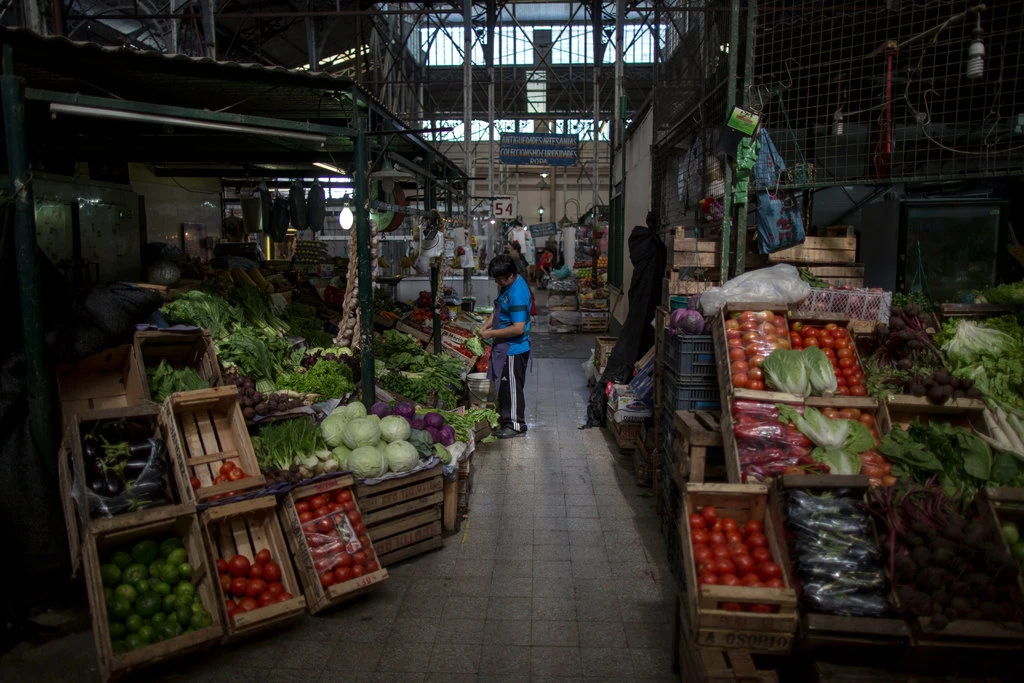
He highlighted steep increases in food, cleaning, and personal hygiene products. He also accused wholesalers of exploiting the situation, describing them as monopolistic.
However, not all companies raised prices. Three diverse sector firms told Bloomberg Línea they maintained their prices post-election.
They adhere to the “Precios Justos” program, adjusting prices only at the month’s start.
With the government authorizing a 12% increase until December 3, some firms may soon adjust their prices.
Economist Rocío Bisang from EcoGo conducted a price survey this Tuesday.
She found no abnormal increases, noting that large retailers often take days to adjust prices after such events.
Change in Government
Currently, negotiations are ongoing to maintain price agreements until December 10.
The price surge after Javier Milei’s election win isn’t just due to alleged speculative behaviors.
High inflation, loss of price reference, and inflation inertia are also factors. The change in government signals a shift from policies that suppressed prices.
Milei’s win is seen as leading to devaluation and inflationary shocks.
This expectation might drive businesses to increase prices as a preventive measure, especially those that have historically lagged behind inflation.
More: Argentina news in English, every day from The Rio Times.
This article was produced by The Rio Times’ automated newsroom system. How we use AI · Report an error
Read More from The Rio Times