Africa: South Sudan
Key Facts
- Who. Joseph Lagu, a South Sudanese liberation veteran who led the Anyanya rebels, has died.
- What. President Salva Kiir declared national mourning for the man he called a liberation hero.
- Where. He died in Juba, the capital of South Sudan, in his 90s.
- Mourning. Flags stay at half-mast until burial, also abroad; the funeral date is not yet announced.
- As of. 27 October 2026, 19:30 GMT.
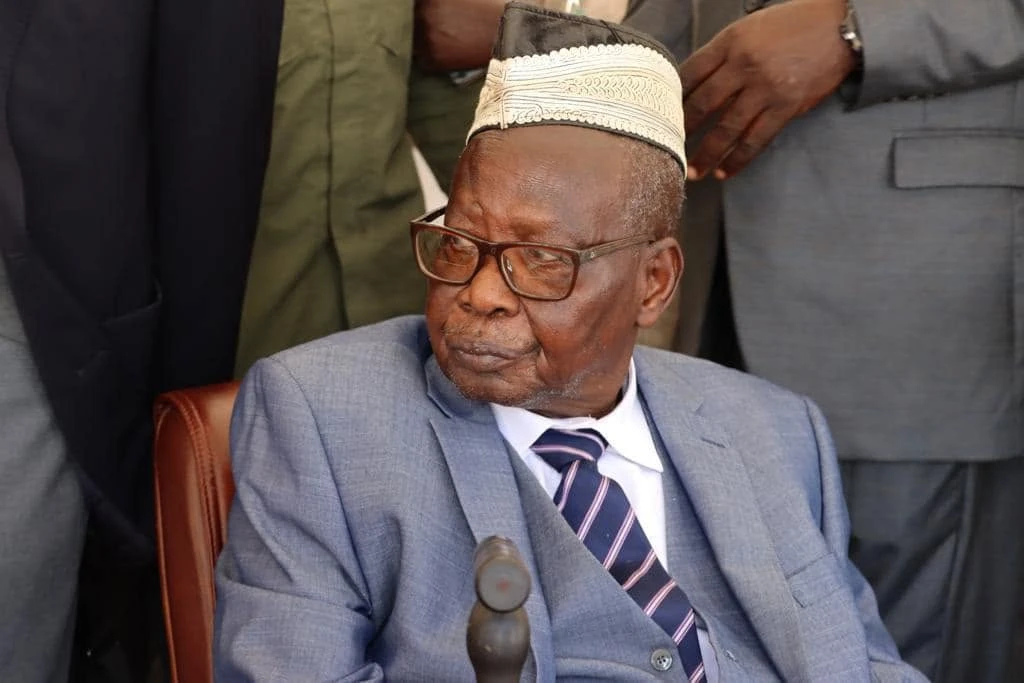
Joseph Lagu, who helped lead the south’s fight for self-rule and negotiated the 1972 peace deal, has died in Juba, and President Salva Kiir has ordered national mourning.
What We Know
South Sudan woke to a farewell on Tuesday 27 October 2026, as news spread that one of its oldest liberation leaders had died. Joseph Lagu, a veteran of the southern rebel struggle, died in Juba, the capital, in his 90s.
South Sudan is the world’s newest country, independent from Sudan since 9 July 2011, and Lagu’s life spans the long road that led there. For readers in the United States, his death marks the passing of a founding-generation figure.
President Salva Kiir, the head of state, declared national mourning in an official statement. National flags will fly at half-mast until the burial, and flags at South Sudan’s diplomatic missions abroad are also lowered.
Half-mast means a flag is lowered partway as a mark of respect for the dead. Under the order it stays there until Lagu is buried.
In the statement Kiir called Lagu “a nationalist and liberation hero”. He added that he will personally attend the state funeral, the official farewell.
Lagu served Kiir as a special adviser after independence. Officials have not stated a cause of death, and local reports say he had been ill and in hospital before he died.
Who Joseph Lagu Was
Lagu led the Anyanya, the armed movement of southern Sudan, in Sudan’s first civil war. That war ran from 1955 to 1972 and lasted 17 years.
At the time, Sudan was one country and included the land that is now South Sudan. The war ended in 1972 with a deal that gave the south autonomy.
Lagu negotiated that deal, known as the Addis Ababa Agreement. He also held the rank of Major General in the Sudanese army, the national armed forces of the then united country.
In plain English: the Anyanya were the armed fighters of the south, and autonomy means self-rule within a larger state. The Addis Ababa Agreement, named after the capital of Ethiopia, is the 1972 deal that ended the first civil war.
From 1978 to 1979 Lagu headed the High Executive Council, the government of the autonomous Southern Region. From 1982 he served as Sudan’s second vice-president.
He was also Sudan’s roving ambassador, meaning a travelling envoy sent to many capitals. From 1990 to 1992 he was Sudan’s permanent representative to the United Nations, its main diplomat at the organisation.
After South Sudan’s independence in 2011, Lagu became a special adviser to President Kiir. His career ran from the rebel ranks of the first civil war to a post beside the president of independent South Sudan.
What Is Not Known
Officials have not given a cause of death, and we will not speculate on one. The date and place of the funeral have not been announced.
It is also unclear who will lead the official funeral committee. Nor is it known how long mourning will last beyond the burial.
What It Means for US Readers and the Diaspora
Lagu belonged to the founding generation of a country that is only 15 years old. His life connects independence in 2011 to the long conflict that came before it.
The lowered flags at diplomatic missions abroad carry the mourning beyond Juba. Kiir’s pledge to attend the state funeral personally shows the weight the presidency places on the farewell.
A state funeral of this kind is expected to bring national leaders together in one place. The funeral announcement is the next thing to watch, and until then the facts above are what has been confirmed.
Frequently Asked Questions
Who was Joseph Lagu?
Joseph Lagu was a South Sudanese liberation veteran who led the Anyanya rebels in Sudan’s first civil war. He negotiated the 1972 Addis Ababa Agreement that ended that war.
What has President Kiir announced?
Kiir declared national mourning, with flags at half-mast until burial, including at diplomatic missions abroad. He said he will personally attend the state funeral.
When is the funeral?
The date has not been announced. Officials have also not said where it will be held.
What was the Addis Ababa Agreement?
It was a 1972 deal that ended Sudan’s first civil war, which began in 1955. It gave the south autonomy, meaning self-rule within Sudan.
Sources
Office of the President statement (as published by South Sudanese media); Radio Tamazuj; Eye Radio.
Connected Coverage
Follow how South Sudan and the wider continent move in the days ahead.
This article was produced by The Rio Times’ automated newsroom system. How we use AI · Report an error · Editorial responsibility: Matthias Camenzind, Editor-in-Chief
Horn of Africa and the Red Sea
- Horn of Africa 2026: Why It Matters and Who Backs Whom
- Ethiopia’s Neighbors Explained, Ports, Eritrea, Somalia
- Eritrea Explained 2026, a Red Sea Country Guide
- Somalia Explained: Al-Shabaab, Somaliland, the Ports and the Fight Over a 2026 Vote