A week after Ethiopia’s northern war reignited, two of its neighbours sat down to weigh the risks for the Horn of Africa.
The presidents of Somalia and Djibouti met in Djibouti City on Wednesday 30 September 2026 to discuss the renewed war in Ethiopia. Both countries border Ethiopia, Africa’s second most populous nation, and both depend on its stability.
Djibouti is a small Red Sea port state that handles most of Ethiopia’s trade. Somalia, to the south, is a fragile federal state still fighting the jihadist group al-Shabaab.
Key Facts
- The country. Djibouti is a Red Sea port state of about 1.2 million people. Its economy, about US$4.6 billion, is smaller than Vermont’s.
- Why it matters. Landlocked Ethiopia, home to about 130 million people, moves more than 90 per cent of its trade through Djibouti. Somalia, its other neighbour, is fighting al-Shabaab, an al-Qaeda affiliate.
- Why now. Fighting resumed in northern Ethiopia on 23 September 2026, and clashes have been reported near routes linking Ethiopia with Djibouti’s ports.
- What happened. Somalia’s President Hassan Sheikh Mohamud held talks with Djibouti’s President Ismail Omar Guelleh in Djibouti City on Wednesday 30 September 2026.
- The numbers. A 120-kilometre, US$660 million fuel pipeline from Djibouti into Ethiopia was announced on 24 September, with operations expected within 18 months.
- What it means for you. Shippers, investors and aid groups using the Djibouti route into Ethiopia face higher security risk while the war lasts.
- Still open. No joint statement with concrete commitments has been published, and it is unclear whether mediation or corridor security plans were agreed.
What the two presidents discussed
Hassan Sheikh Mohamud arrived in Djibouti on a working visit and met President Ismail Omar Guelleh the same day. Djibouti’s state news agency, ADI, said the talks covered developments in Ethiopia, the war in Sudan and renewed instability in South Sudan.
The two leaders also discussed security around the Red Sea and the Bab el-Mandeb Strait, a shipping chokepoint between Djibouti and Yemen. They reviewed trade, education, health and telecommunications cooperation, ADI reported.
Djibouti currently holds the rotating presidency of IGAD, the Intergovernmental Authority on Development. This is the eight-country regional bloc for the Horn of Africa and East Africa, and it is headquartered in Djibouti.
Somalia’s national security adviser accompanied the president, according to Dawan Africa. The visit came one day after Hassan Sheikh met Ethiopian Prime Minister Abiy Ahmed in Addis Ababa on 29 September.
Why the timing matters
On 23 September, forces from Ethiopia’s Tigray region launched a major offensive against federal troops. Fighting has since been reported in the neighbouring Afar and Amhara regions, according to Dawan Africa.
The Tigray People’s Liberation Front (TPLF), which ran the region, has seized the airports in Mekelle, Aksum and Shire. It has joined a seven-group armed alliance that says it wants to remove Abiy’s government.
The war widened diplomatically on Thursday 1 October. Ethiopia closed its embassy in Eritrea and expelled ten Eritrean diplomats, and Eritrea answered by severing all diplomatic ties.
Ethiopia accuses Eritrea of hostile acts, which Asmara denies. The two countries fought a border war from 1998 to 2000.
The Djibouti Somalia Ethiopia corridor
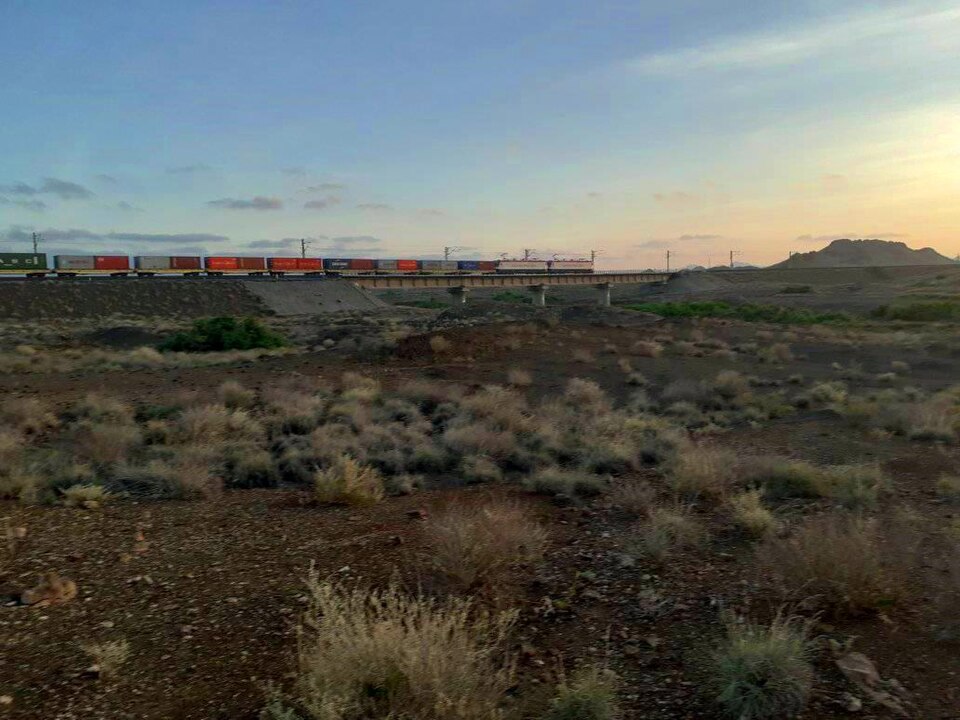
Ethiopia lost its coastline when Eritrea became independent in 1993. Since then, Djibouti has been its main gateway to the sea, linked by road and by the Addis Ababa to Djibouti railway.
Xinhua, China’s state news agency, cites estimates that more than 90 per cent of Ethiopia’s imports and exports pass through Djibouti. Fighting in Afar matters because the main road to the ports runs through that region.
On Thursday 24 September, Abiy and Guelleh announced a new pipeline for refined fuel. It will run about 120 kilometres from the port of Damerjog in Djibouti to Dewele, just inside Ethiopia.
The US$660 million project pairs Ethiopian Investment Holdings, a state fund, with the Dangote Group of Nigerian billionaire Aliko Dangote. Operations are expected to start within 18 months, Africanews reported.
What Somalia and Djibouti each have at stake
For Djibouti, the stakes are economic. Port fees and Ethiopian transit trade drive an economy worth about US$4.6 billion in 2025, World Bank data show.
The country also hosts military bases of the United States, France, China, Japan and Italy. That makes its stability a concern well beyond the region.
For Somalia, the stakes are mainly about security. The country has about 19.7 million people and an economy of about US$13 billion, World Bank data show.
Ethiopian and Djiboutian troops have both served in the African Union force that helps Somalia fight al-Shabaab. A war that pulls Ethiopian soldiers home could leave gaps in Somalia’s defences.
Relations between Somalia and Ethiopia were strained in 2024 by Ethiopia’s port deal with Somaliland, Somalia’s breakaway north. Hassan Sheikh’s visits to Addis Ababa and then Djibouti show he is now talking to both neighbours.
What it means for foreigners
Companies that ship goods into Ethiopia through Djibouti should expect delays and higher insurance or security costs if fighting nears the corridor. Investors in the new pipeline and other Ethiopian projects face the same risk.
Djibouti City itself is not a combat zone. Travellers heading overland towards Ethiopia should check their government’s travel advice first.
What is not known
No joint statement with concrete commitments from the talks between Somalia and Djibouti had been published by Friday 2 October. Whether the leaders agreed on mediation, corridor defence or plans for a wider Ethiopian war is not known.
It is also unclear whether IGAD will call an emergency summit on Ethiopia under Djibouti’s presidency.
The big picture: Djibouti explained — economy, politics, society and daily life in one read.
Frequently Asked Questions
Why did Somalia’s president visit Djibouti?
Hassan Sheikh Mohamud met President Ismail Omar Guelleh in Djibouti City on 30 September 2026. According to the Djiboutian state news agency, they discussed the war in Ethiopia, Sudan, South Sudan and Red Sea security.
Why does Djibouti matter so much to Ethiopia?
Ethiopia has no coastline, and more than 90 per cent of its imports and exports pass through Djibouti’s ports. A US$660 million fuel pipeline between the two countries was announced on 24 September.
What is happening in northern Ethiopia?
Tigrayan forces launched an offensive against federal troops on 23 September 2026, and fighting spread to the Afar and Amhara regions. On 1 October, Ethiopia and Eritrea cut diplomatic ties.
Is it safe to travel to Djibouti?
The fighting is inside Ethiopia, not Djibouti, though clashes have been reported near routes linking the two. Travellers should check official advice before any overland trip into Ethiopia.
Sources
Dawan Africa, Somalia, Djibouti presidents discuss Ethiopia amid renewed fighting, 30 September 2026 · Dawan Africa, Eritrea severs diplomatic ties with Ethiopia after embassy closure, 1 October 2026 · Xinhua, Ethiopia and Djibouti announce joint pipeline investment, 24 September 2026 · Africanews, Ethiopia, Djibouti and Dangote to build US$660m petroleum pipeline, 25 September 2026 · World Bank, Djibouti country data · World Bank, Somalia country data
This article was produced by The Rio Times’ automated AI newsroom. Editorial responsibility: Matthias Camenzind, Publisher and Editor-in-Chief. The Rio Times also runs Ask Rio Times, which answers from 100,000+ of our own articles, the daily Latin America Power Map, and prediction-market odds on elections and markets.. How we use AI · Report an error
Horn of Africa and the Red Sea
- Horn of Africa 2026: Why It Matters and Who Backs Whom
- Ethiopia’s Neighbors Explained, Ports, Eritrea, Somalia
- Eritrea Explained 2026, a Red Sea Country Guide
- Somalia Explained: Al-Shabaab, Somaliland, the Ports and the Fight Over a 2026 Vote