Peru Joins a US Security Coalition as Washington Pushes Back on China
Key Facts
The United States is building a regional bloc against organised crime while contesting China’s economic reach in South America. Secretary of State Marco Rubio has now announced that Peru is joining it.
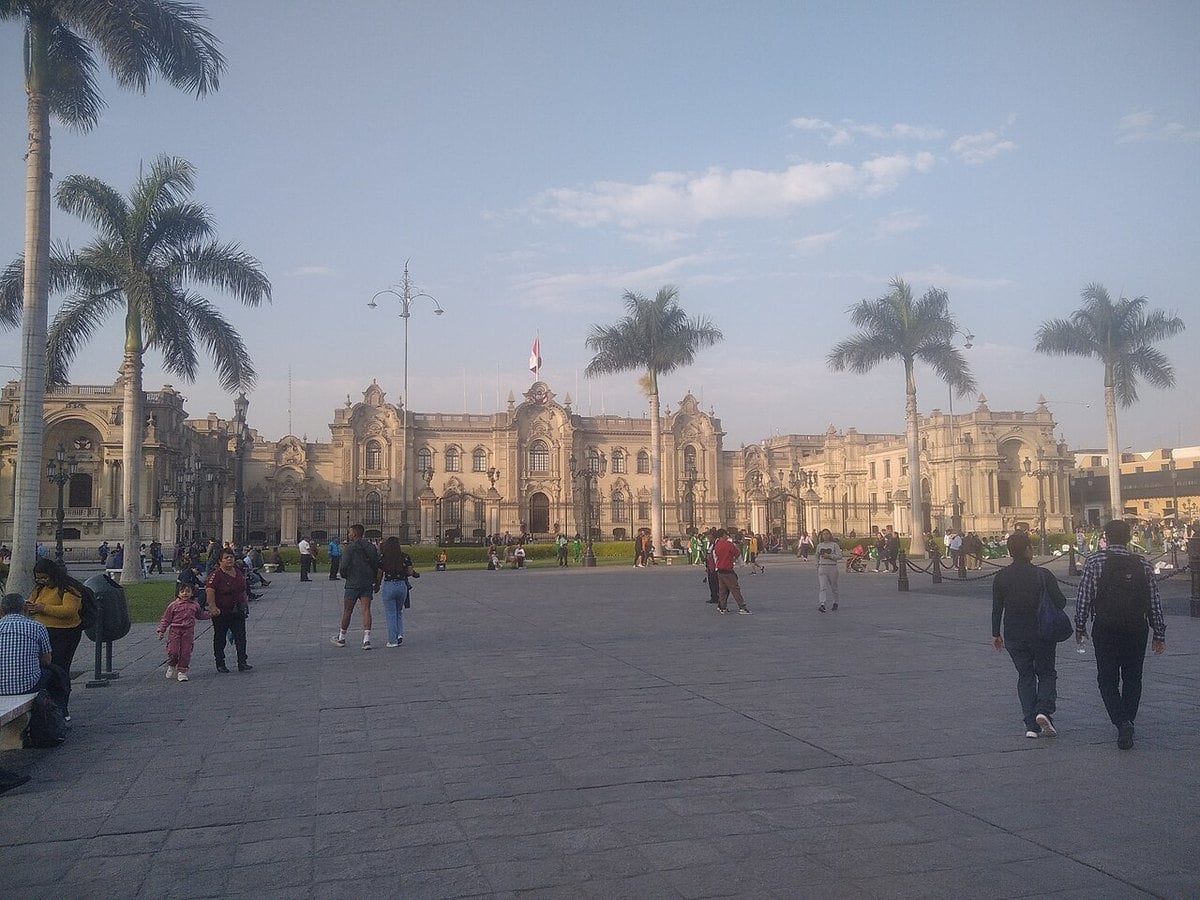
Marco Rubio, the US secretary of state, announced Peru’s entry into the Americas Shield coalition on 8 September 2026. He did so in a column for the Lima daily El Comercio, before arriving to meet President Keiko Fujimori.
Why This Matters Beyond Peru
Peru is one of the world’s biggest copper producers and ranked second globally in 2019. That makes it a prize in the contest between Washington and Beijing over Latin America’s minerals and ports.
China’s clearest foothold is Chancay, a deep-water port north of Lima inaugurated on 14 November 2024. Chinese leader Xi Jinping attended the opening online, and the state shipping group Cosco holds a 60% stake.
Rubio’s column shows Washington now pairs security offers with open criticism of Chinese-backed projects. Peru is also politically fragile, which makes any new commitment harder to anchor.
Congress removed President Dina Boluarte on 10 October 2025 on grounds of permanent moral incapacity. The vote was 122 in favour, and congressional leader José Jerí succeeded her.
Keiko Fujimori, daughter of former president Alberto Fujimori, took office on 28 July 2026. She had lost presidential runoffs narrowly in 2011, 2016 and 2021 before winning this time.
What the Americas Shield Is
The Escudo de las Américas, or Americas Shield, is a US-led coalition against transnational organised crime. President Donald Trump presented it at a summit in Miami on 7 March 2026.
It works through requests for assistance between members rather than through a standing force. The practical content is intelligence sharing and military and police cooperation.
Members before Peru included Argentina, Bolivia, Chile, Costa Rica, the Dominican Republic and Ecuador. El Salvador, Guyana, Honduras, Panama, Paraguay and Trinidad and Tobago are also in it.
Colombia joined this week, and counts differ between outlets. Around fifteen countries is the safest description of its size.
How Peru’s Entry Was Announced
Rubio announced it in a column published by El Comercio on 8 September, the day before he arrived. Foreign Minister Carlos Espá defended the entry the same day.
No signed bilateral instrument for Peru’s accession has been published, and nothing was ratified. One Peruvian security analyst said there are no binding conditions because it is not yet an international treaty.
So the correct verb is announced, not signed. Peru accepted an invitation rather than executing a document.
Congress Wants an Explanation
Members of Peru’s Congress spent 8 September debating whether the foreign minister must appear before them. The subject is the incorporation itself, and the debate shows that no ratified instrument exists.
Peru’s constitution requires congressional approval for treaties on certain subjects. A political declaration avoids that step, which is exactly what critics object to.
Whether the coalition should have gone through Congress is now the domestic argument. Espá is Peru’s fourth foreign minister inside a year, a sign of how fast officials rotate.
The Major Non-NATO Ally Designation
This status is separate from the coalition, and it is older. Trump said on 12 December 2025 that he intended to name Peru a major non-NATO ally.
He made the designation on 14 January 2026 through Presidential Determination 2026-04. It was published in the Federal Register, the US government’s official journal, on 23 January.
In the region, Argentina has held the status since 1998, Brazil since 2019 and Colombia since 2022. It confers eligibility for benefits under US foreign assistance and arms export law.
That covers surplus defence equipment, cooperative research, priority delivery, loans of equipment for testing and faster export licensing. It guarantees nothing, and there is no mutual defence clause or obligation on the United States to defend Peru.
Rubio’s Column and China’s Answer
The same column argued that projects backed by the Chinese Communist Party bypass Peru’s legal frameworks. Rubio wrote that they threaten transparency and data security, and he accused outside actors of predatory practices.
He listed opaque contracts, unsustainable debt, exploitation of workers and environmental destruction. The Chinese embassy in Lima answered within a day, calling Chinese investment in Peru transparent and lawful.
A Chinese foreign ministry spokesman added that Latin America and the Caribbean are nobody’s back yard. The embassy noted that China has been Peru’s largest trading partner for twelve years.
Rubio published versions of the column in Colombian and Ecuadorian papers too. It was a regional message, not one aimed at Peru alone.
The Iran Break, and What Tehran Said Back
Peru broke diplomatic relations with Iran on 1 September, through a formal foreign ministry communiqué. The stated grounds included repression of peaceful protest, press restrictions and discrimination against women and girls.
It also cited persecution of opponents, disruption of shipping in the Strait of Hormuz and obstruction of nuclear inspections. Iran’s foreign ministry spokesman answered on 7 September and called it an empty gesture.
He said there was no relationship that could be broken in the first place, since neither country had an operating embassy. A common English rendering has him saying there was no relationship worth preserving, which is close but not what he said.
The Trip, and What Has Not Happened Yet
Rubio’s regional tour runs from 8 to 10 September, covering Colombia, Ecuador and Peru. He arrived in Lima on 9 September, and his meeting with Fujimori is scheduled for the following morning.
The agenda includes El Niño weather cooperation, organised crime, defence, investment and trade. Nothing has been signed in Peru, so reports of agreements from this leg describe expectations rather than outcomes.
What It Means If You Do Business in Peru
Investors should read the coalition as a political signal of alignment with Washington, not as new binding law. Chinese-linked projects such as Chancay face no new legal restriction from this announcement.
They do face sharper US rhetoric, and Rubio’s column shows where Washington wants Lima to lean. Closer police and intelligence cooperation could matter to any firm worried about organised crime in Peru.
What Is Not Yet Known
It is not known what, if anything, Rubio and Fujimori will sign in Lima. It is not known whether Congress will force the foreign minister to testify, or seek a vote.
The coalition’s concrete obligations for Peru have not been published. How Beijing will weigh Peru’s move in its trade and investment ties remains unclear.
Frequently Asked Questions
Why does this matter?
Peru is a major copper producer whose largest trading partner is China. Joining a US security coalition signals where its new government wants to lean.
Did Peru sign a security treaty with the United States?
No. The Americas Shield is a political declaration rather than a treaty, and no signed accession instrument for Peru has been published.
What does major non-NATO ally status give Peru?
Eligibility for benefits under US foreign assistance and arms export law, such as priority delivery and faster export licences. It carries no defence guarantee.
Did Peru really break relations with Iran?
Yes, on 1 September 2026. Iran’s foreign ministry called it an empty gesture, saying there was no relationship that could be broken.
Sources: El Comercio, Rubio’s column, Infobae Peru, what the Americas Shield is, RPP, the member countries, Federal Register, the major non-NATO ally determination, Peru’s foreign ministry, the break with Iran, El Diario, Iran’s response, Infobae, China’s reply from Lima, El Comercio, the Fujimori meeting, Wikipedia, the Port of Chancay, Wikipedia, mining in Peru, Wikipedia, major non-NATO allies, Wikipedia, Dina Boluarte’s removal, Wikipedia, Keiko Fujimori
This article was produced by The Rio Times’ automated newsroom system. How we use AI · Report an error · Editorial responsibility: Matthias Camenzind, Editor-in-Chief