
Politics: Kenya
President William Ruto told Kenya’s Parliament on Wednesday 18 November that the country must confront the June 2024 protest deaths honestly, with compassion and a determination to learn from them. He said security officers who used unlawful force must be held accountable, in his fourth State of the Nation address and the last before the August 2027 general election.
Police have faced blame in several deadly rounds of protest since 2024, so the president’s words set the tone for how the state treats the issue before voters go to the polls. The Independent Policing Oversight Authority (IPOA), Kenya’s police watchdog, counted 65 deaths in the June and July 2025 protests alone.
Key Facts
- Venue. Ruto addressed a joint sitting of Kenya’s National Assembly and Senate on 18 November.
- Pledge. Officers who used unlawful force must be held accountable, he said.
- Money. A compensation panel paid KSh1.2 billion (about US$9 million) to 1,476 verified beneficiaries by July.
- Gaps. The speech gave no death toll and no prosecution timetable.
- As of 18 November 2026, 19:30 GMT
Ruto paired an acknowledgement of the deaths with a promise of police reform, but set no deadline for prosecutions.
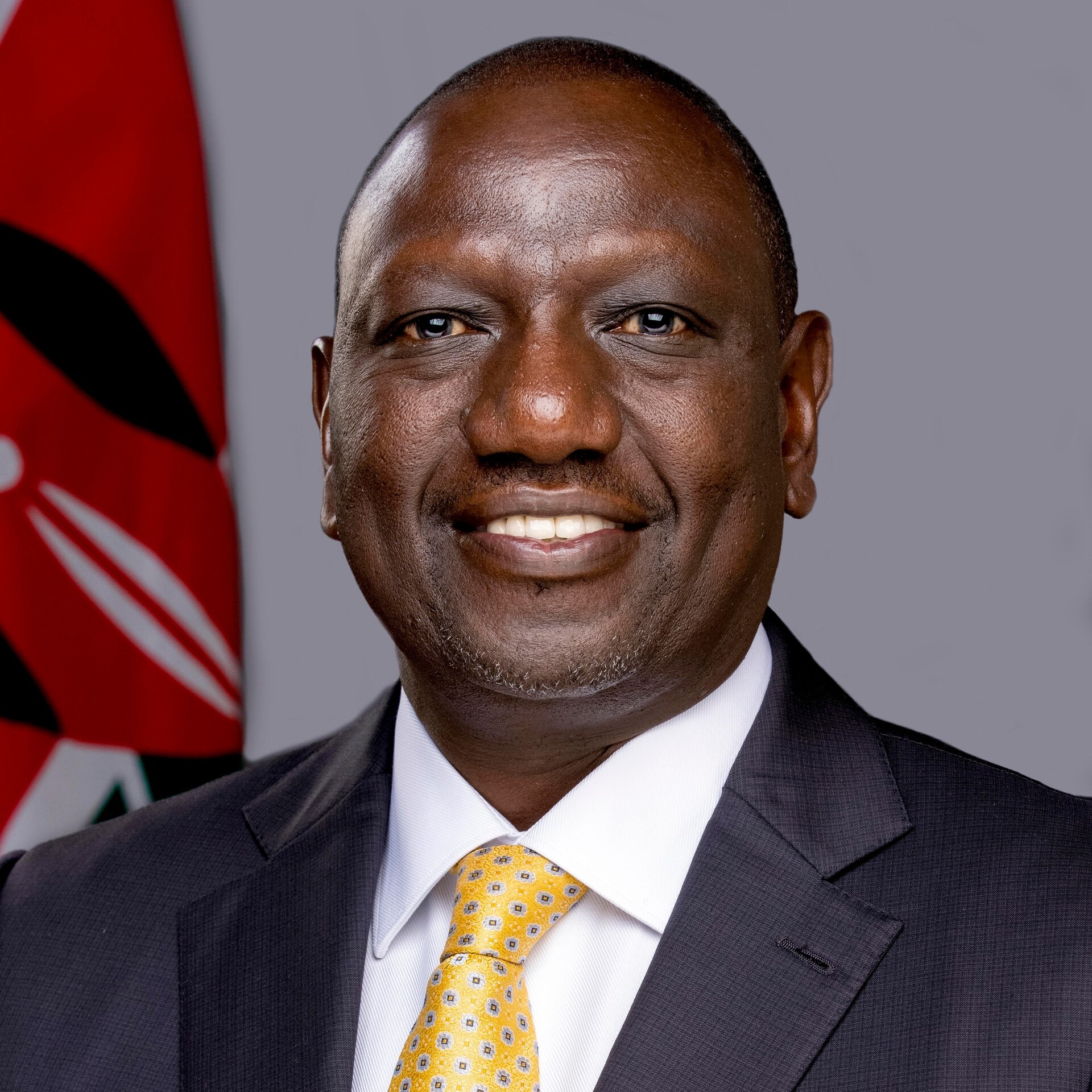
What Ruto Said in Parliament
Ruto spoke under Article 132 of the Constitution, which requires the president to address Parliament each year. It was his fourth such address since he took office in September 2022.
He said Kenyans lost their lives in the June 2024 protests and in later unrest, and that others suffered serious injuries and lasting trauma. He also pointed to the breach of Parliament and attacks on the Judiciary as part of the record.
On security officers he said: “Where security officers use unlawful force or exceed their authority, wrongdoing must be acknowledged, and those responsible must be held accountable in accordance with the law.” He cited Article 37 of the Constitution, which protects the right to peaceful assembly.
Compensation and Police Reform
Ruto said a Compensation Panel had paid KSh1.2 billion (Kenyan shillings, about US$9 million at about KSh130 per US$) to 1,476 verified beneficiaries by July 2026. He said the group includes families of people who died and survivors with serious injuries, and that compensation is not a substitute for accountability, so investigations must continue and prosecutions must follow.
For public-order policing he promised improved training, professional standards, officer welfare and equipment. He also named clear operational command, de-escalation procedures and stronger oversight, without giving timelines for any of these measures.
Where This Comes From
The protests began in June 2024 against a finance bill with planned tax rises, and on 25 June 2024 demonstrators broke into Parliament. The next day Ruto said he would not sign the bill.
On 25 June 2024 he had publicly thanked police for defending the country, a contrast with Wednesday’s stress on accountability. Protests returned on the anniversary and on Saba Saba Day (Swahili for “seven seven”, 7 July) in 2025, and IPOA’s July 2025 report blamed police for deaths, injuries and failures during those demonstrations.
Why It Matters for US Readers
Kenya goes to the polls in August 2027 with the question of police killings still open in public debate. IPOA’s count of 65 deaths in the June and July 2025 protests shows the scale of what the president now says must be answered.
For readers who follow Kenya as a trade, aid or investment partner, the practical test is whether charges follow, since Ruto said prosecutions must follow compensation. Our coverage of the three lawmakers who quit Ruto’s party and the election body’s warning of court delays shows how crowded the run-up to that vote already is.
What to Watch
Kenya’s Constitution (Article 101) sets general elections for the second Tuesday of August every fifth year, which is 10 August 2027. The anniversaries on 25 June and 7 July, when protests were held in 2025, are the next dates on which policing will be tested.
What It Means for You
A US reader tracking Kenyan stability should note that the president has now put accountability for police conduct on the record in a formal address. What counts next is action: charges in court and any new rules for policing protests, which the speech left without dates.
More reporting on police and courts is on our Kenya police graft arrest story and our Kenya news page.
What Is Not Known
The speech gave no total for deaths since June 2024, no timetable for prosecutions and no date for new public-order rules. The compensation figures also do not add up in the speech’s own breakdown: 1,036 civilians and 356 police officers make 1,392, not 1,476.
Frequently Asked Questions
What did Ruto say about the June 2024 protests?
He said Kenyans lost their lives and that unlawful force by security officers must be acknowledged and those responsible held accountable. He added that compensation is not a substitute for accountability.
How much compensation has been paid?
Ruto said a Compensation Panel had paid KSh1.2 billion (about US$9 million) to 1,476 verified beneficiaries by July 2026, including families of the dead and injured survivors.
When is Kenya’s next general election?
Under Article 101 of the Constitution it falls on the second Tuesday of August, which is 10 August 2027.
What started the June 2024 protests?
Demonstrations against a finance bill with planned tax rises. On 25 June 2024 protesters broke into Parliament, and on 26 June Ruto said he would not sign the bill.
Sources: Address by the President to Parliament, 18 November 2026 (president.go.ke); Parliament of Kenya (parliament.go.ke); Independent Policing Oversight Authority report on the June and July 2025 protests (ipoa.go.ke); Constitution of Kenya 2010, Articles 37, 101 and 132 (kenyalaw.org).
This article was produced by The Rio Times’ automated AI newsroom. Editorial responsibility: Matthias Camenzind, Publisher and Editor-in-Chief. The Rio Times also runs Ask Rio Times, which answers from 100,000+ of our own articles, the daily Latin America Power Map, and prediction-market odds on elections and markets.. How we use AI · Report an error