
KenGen, the Kenya Electricity Generating Company, has a €642,898 grant (about US$708,000) from the Agence Française de Développement (AFD), France’s state development agency, for a feasibility study of a 200 MW (megawatt) wind farm in Marsabit County, northern Kenya. Business Daily, a Nairobi newspaper, reported on 17 November that KenGen’s annual report lists the grant.
The farm would be the first phase of a larger Marsabit wind project that KenGen’s own project page puts at 1,000 MW. Neither source gives a construction cost or start date, so for US readers this is an early marker for Kenya’s power plans, not yet an investment case.
Key Facts
- Project. KenGen plans a 200 MW first wind phase in Marsabit County, northern Kenya.
- Scale. Plans call for a 1,000 MW wind project built in phases.
- Study. A €642,898 (about US$708,000) AFD grant funds the feasibility study.
- Unknown. Construction cost, start date and financing are not confirmed by KenGen.
- As of 17 November 2026, 19:55 GMT (UTC)
KenGen’s annual report shows a French grant for a 200 MW wind farm study in northern Kenya. Cost, timing and financing are not confirmed.
What KenGen Has Confirmed
KenGen’s Marsabit Wind Project page describes a 1,000 MW project to be built in phases, with Phase I a 200 MW wind farm. Phase I also includes a transmission line (a high-voltage power line) to the 400 kV (kilovolt) substation at the Lake Turkana Wind Farm, the large existing wind plant in the same county.
The page says the site has IEC Class Ia wind speeds, a turbine rating from the International Electrotechnical Commission for very strong wind, which it calls a harsh wind regime. It lists the environmental and social impact assessment, free, prior and informed consent of communities, and bats-and-birds studies as ongoing, so the project is still in its study stage, and gives no date, cost or financing.
Business Daily reported on 17 November that KenGen’s annual report lists a Marsabit Wind Feasibility Study funded by a €642,898 grant, or KES 91.8 million (Kenyan shillings), from AFD, with funds paid directly to consultants. At the 17 November market rate of about 1.10 dollars per euro, the grant is about US$708,000.
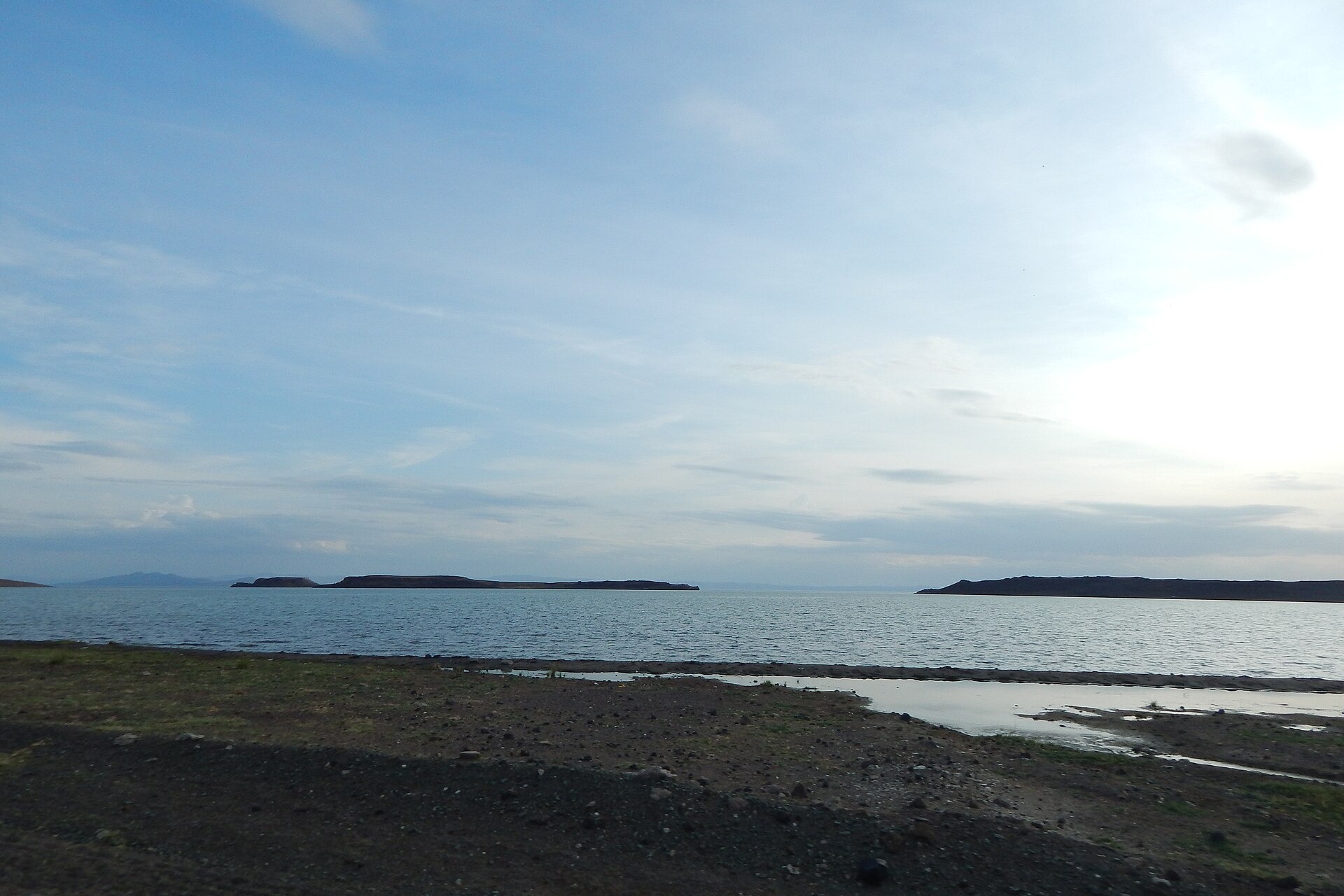
Where It Fits in Kenya’s Power Picture
KenGen’s page says the line would connect to the 400 kV substation at the Lake Turkana Wind Farm. Business Daily calls that 310 MW plant in Marsabit the biggest in Africa and says KenGen’s own wind capacity today is the 25.5 MW Ngong farm.
KenGen’s project page publishes no output estimate and no power purchase agreement (the contract under which a utility buys the electricity) for Marsabit. Until those exist, the farm’s effect on supply cannot be sized.
What It Means for You
For KenGen’s shareholders, this is an early-stage project with a funded study and no disclosed budget. No earnings effect can be sized until KenGen publishes a cost, a financing plan and a purchase contract.
For Kenyan businesses and households, nothing changes soon. The studies are still listed as ongoing, and no start date is published.
What Is Not Known
As of 17 November, KenGen’s project page and the annual report line quoted give no construction cost, start date or financing structure. We therefore state none.
Whether the study will change the 200 MW size is not known. We have not found a KenGen notice that sets the next step.
Frequently Asked Questions
What is KenGen’s Marsabit wind project?
KenGen plans a 1,000 MW wind project in Marsabit County, northern Kenya, built in phases. Phase I is 200 MW plus a power line to the Lake Turkana Wind Farm substation.
Has construction started?
Not as far as we could confirm. KenGen’s project page lists environmental, community-consent and bats-and-birds studies as ongoing.
How much does the feasibility study cost?
KenGen’s annual report lists a €642,898 grant (about US$708,000) from AFD for the study, as reported by Business Daily on 17 November. The funds were paid directly to consultants.
When will the wind farm open?
No date is confirmed. KenGen’s project page gives no timeline, cost or financing for Phase I.
Sources
KenGen, Marsabit Wind Project page, kengen.co.ke (read 17 November 2026); KenGen annual report grant line, as quoted by Business Daily, 17 November 2026; EUR/USD market rate of 17 November 2026 (RT market data provider).
This article was produced by The Rio Times’ automated AI newsroom. Editorial responsibility: Matthias Camenzind, Publisher and Editor-in-Chief. The Rio Times also runs Ask Rio Times, which answers from 100,000+ of our own articles, the daily Latin America Power Map, and prediction-market odds on elections and markets.. How we use AI · Report an error