
PUERTO RICO · ENERGY
Key Facts
- The country Puerto Rico is a US territory of about 3.2 million people, and its electricity is billed in US dollars at rates far above the US mainland average.
- Why it matters A residential rate of 33.86 cents per kilowatt-hour, about 1.9 times the US residential average, weighs on households and businesses in a US territory through December.
- Why now Senators of the opposition Popular Democratic Party presented three measures on Monday 26 October 2026 to pay the quarter’s fuel shortfall from the emergency reserve.
- What happened They propose moving US$131.65 million from the emergency reserve to the power authority so that a fuel-cost shortfall approved by the regulator is not billed to customers.
- The numbers An unsubsidized household using 800 kWh a month pays US$270.86 instead of US$228.59, up 18.5%, and the request equals about 11% of a reserve estimated near US$1.2 billion.
- What it means for you Businesses on the island face commercial bills 17.1% to 19.7% higher through 31 December, and any relief needs the legislature, the governor and a federal oversight board.
- Still open Whether the majority will take up the measures, whether the board would release the money, and how a benefit would be shared among customers.
In Plain English
The Puerto Rico Energy Bureau is the island’s electricity regulator, and its fuel charge and purchased-power charge are the quarterly bill items that pass fuel and bought-power costs to customers. LUMA Energy runs the transmission and distribution grid, and Genera PR, a subsidiary of New Fortress Energy, is the generation operator that the order holds responsible for gas orders under the San Juan units 5 and 6 contract.
The Emergency Fund is a reserve the Puerto Rico government keeps for disasters such as hurricanes and drought, and the oversight board is the federally created body that must approve its use. The Popular Democratic Party is the main opposition party on the island, and the New Progressive Party holds the legislative majority.
Senators of Puerto Rico’s opposition Popular Democratic Party presented three measures on Monday 26 October 2026 to move US$131.65 million from the island’s emergency reserve to the Puerto Rico Electric Power Authority, so that a fuel-cost shortfall is not added to customers’ bills. The US territory’s regulator approved on 30 September a net increase of 5.28 cents per kilowatt-hour that took the bill of an unsubsidized household using 800 kWh a month to 33.86 cents per kilowatt-hour, which El Nuevo Día called a record and which is about 1.9 times the US residential average of 18.16 cents in August 2026.
The measures come from the minority, so they need the New Progressive Party majority in the legislature, an emergency declaration by Governor Jenniffer González Colón and approval from the federal oversight board. A guide to foreign players in Puerto Rico explains the LUMA and Genera contracts behind the grid, and related reports are collected in the Puerto Rico coverage.
What the Three Measures Propose
Senate Joint Resolution 229 would reassign US$131,650,334.94 from the Emergency Reserve Fund to the Puerto Rico Electric Power Authority to cover fuel costs that the regulator allowed to be recovered through bills. The figure comes from the regulator’s own order, which counted US$627.15 million in fuel costs for June through August 2026 against US$486.46 million billed, less a US$9.04 million credit.
Senate Bill 1599, filed by Senator Ada Álvarez Conde, would amend the Emergency Fund law to say expressly that the fund can soften quarterly fuel adjustments. It keeps the requirements of an emergency declaration by the governor and a request from the budget office to the oversight board.
Concurrent Resolution 22, filed by former Senate President José Luis Dalmau Santiago, urges Governor Jenniffer González Colón to amend her energy executive orders so they cover the rate impact. The delegation’s spokesman, Luis Javier Hernández, said emergencies are handled with the resources the island has set aside for them.
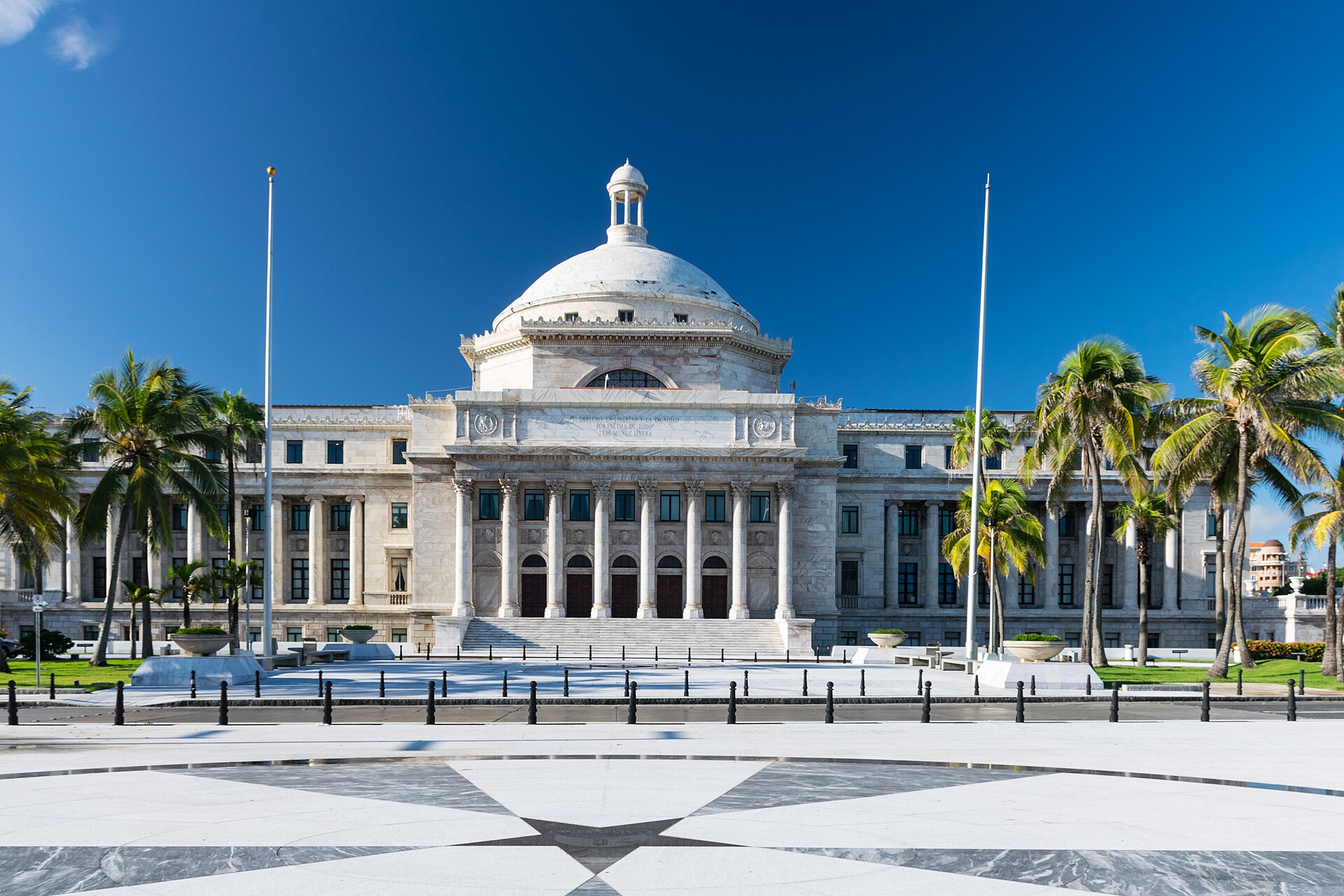
Senator José Santiago Rivera said the reserve held US$1.055 billion in April 2024 under the certified fiscal plan and may now be near US$1.2 billion, which makes the request about 11% of the balance. The delegation did not detail a formula for sharing the benefit and said it would apply to residential, commercial and industrial customers alike.
How the Regulator Set the Rate
The Puerto Rico Energy Bureau ordered on 30 September 2026 a fuel charge of 17.3576 cents per kilowatt-hour, up from 11.4070 and below the 18.0736 that LUMA requested. It cut the purchased-power charge from 5.1748 to 4.5090 cents, which leaves a net increase of 5.28 cents for the quarter from 1 October to 31 December.
A residential customer without a subsidy who uses 800 kWh a month pays US$270.86 instead of US$228.59, a rise of US$42.27 or 18.5%. A small business using 1,200 kWh pays US$435.24 instead of US$371.82, up 17.1%, and a large industrial customer pays 19.7% more.
The order ties the rise to fuel already burned, projected fuel for the next three months, base-load units out of service and gas delivery shortfalls, and it cites price swings linked to the conflict around the Strait of Hormuz. It adds that refusing the increase would not remove the costs, because fuel already used must be paid for and fuel for the coming months must be bought.
The regulator deferred US$17.65 million tied to alleged gas supply failures by New Fortress Energy and ordered an audit of those costs. It is also examining about US$19.17 million that LUMA says was paid in June and July for gas ordered in excess for the San Juan units 5 and 6.
Who Must Approve the Money
The Emergency Fund law was written for events such as hurricanes, earthquakes, pandemics and drought, and the senators cite an authorization the oversight board gave in August to use the fund for the drought as a precedent. Under their bill the governor would declare an emergency and the budget office would then ask the board for the money.
Hernández acknowledged that release of the fund depends on the board, and he argued that in other cases the government acted first and sought permission later. He asked the New Progressive Party majority to consider the three measures seriously instead of defeating them.
The delegation also warned that the rate for January through March 2027 could be higher still. Hernández said merchants regard the increase as unsustainable.
What It Means for You
For US readers, the story shows what an island grid that depends on imported fuel costs a US territory, and the regulator itself points to global price swings tied to Hormuz. The comparison is not like for like, since the Puerto Rico figure is a bill divided by 800 kWh for an unsubsidized household and the US figure is an average price, but the gap is wide at 33.86 cents against 18.16, with Florida at 14.99 and Pennsylvania at 21.77.
Investors and contractors should watch the fuel dispute with New Fortress Energy, where the regulator deferred US$17.65 million and ordered an audit, and a related report follows the government claim of about US$100 million against New Fortress. Businesses on the island face commercial bills 17.1% to 19.7% higher through 31 December, and the relief plan would reach them too, according to its authors.
What Is Not Known
Whether the New Progressive Party majority will schedule any of the three measures is unknown, and the coverage carries no hearing date. It is also unclear whether the oversight board would authorize US$131.65 million after an emergency declaration.
The formula for sharing a benefit among households, businesses and industries has not been detailed. The rate for January through March 2027 is also unknown, and the proponents warn that it could be higher.
Frequently Asked Questions
How much is Puerto Rico’s new electricity rate?
The regulator approved a net increase of 5.28 cents per kilowatt-hour for October through December 2026. An unsubsidized household using 800 kWh pays US$270.86 a month instead of US$228.59.
What is the US$131 million proposal?
Senate minority members presented a resolution to move US$131.65 million from the emergency reserve to the power authority. The money would cover a fuel-cost shortfall that the regulator allowed to be billed to customers.
Will the emergency fund money be approved?
Not yet, because the measures need the legislative majority, an emergency declaration by the governor and a request to the federal oversight board. No vote has been announced.
Why did Puerto Rico’s power rate go up?
The regulator cited fuel costs from June to August, projected fuel costs for the next three months, out-of-service plants and gas delivery shortfalls. It also pointed to global price swings linked to the Strait of Hormuz conflict.
How does Puerto Rico compare with the US average?
The new residential rate of 33.86 cents per kWh compares with a US average of 18.16 cents in August 2026, according to the Energy Information Administration. The two figures are not measured in exactly the same way.
Sources: Puerto Rico Energy Bureau, order NEPR-MI-2020-0001, 30 September 2026; Metro Puerto Rico, 26 October 2026; El Nuevo Día, 26 October 2026; NotiCel, 26 October 2026; Metro Puerto Rico, 30 September 2026; US Energy Information Administration, Electric Power Monthly, table 5.6.A, released 23 October 2026; Pew Research Center, 5 February 2026.
This article was drafted with automated assistance and reviewed before publication. How we use AI · Report an error · Editorial responsibility: Matthias Camenzind, Editor-in-Chief